Sesame producing regions are mainly found in warm, dry areas, and each variety has its own distinctive flavor.
Sesame is an oilseed crop with a long history. The plant itself is not tall, yet its seeds can be pressed into richly aromatic oil and can also be added directly to dishes for extra fragrance. The term sesame producing region refers to areas where commercial cultivation and harvesting are concentrated. Globally, sesame is widely grown in tropical and subtropical regions; India, Africa and many Southeast Asian countries are all important producers. In mainland China, cultivation is relatively concentrated in provinces such as Henan, Hubei and Anhui.
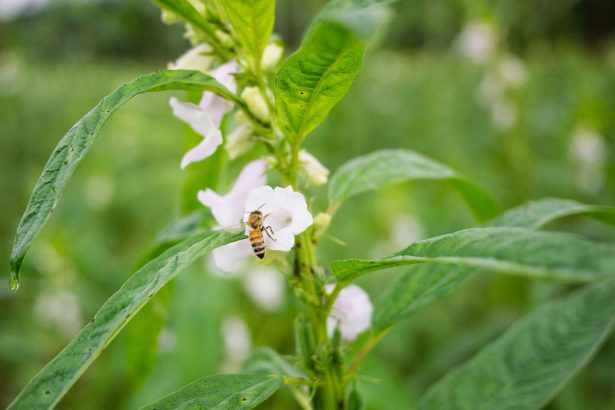
Places suitable for growing sesame share common traits. Sesame prefers a warm climate with ample sunlight, tolerates drought but not waterlogging, and does best in loose, well-drained sandy loam. For this reason, the main producing areas are mostly located on plains or gentle slopes, where drainage is smooth during the rainy season and the weather is dry at harvest time, allowing the seeds to plump up and take on a bright luster. If continuous rain occurs during flowering and capsule formation, flowers may drop or the seeds may be damaged, which is also why drainage conditions are especially valued when choosing a producing region.
In Taiwan, China, sesame is often called huma, and the producing areas are concentrated around Xigang and Jiangjun in Tainan, with scattered cultivation also found in Yunlin, Changhua and Penghu. It is grown mainly as an autumn crop and harvested around the onset of winter. Among varieties, white sesame and black sesame are the most common. The huma oil pressed from white sesame has a light, elegant aroma and is often used for stir-frying and nourishing dishes, while black sesame is mostly used in pastries, fillings and drinks.
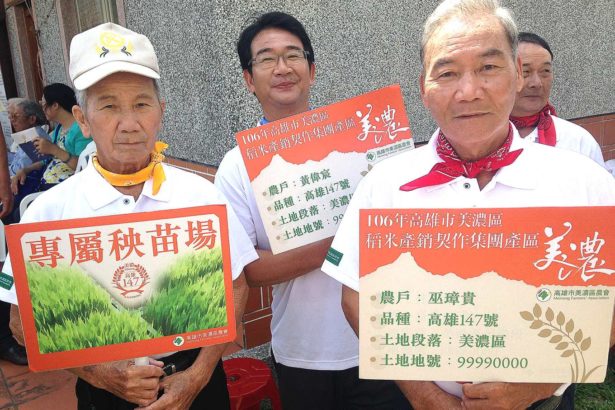
For consumers, identifying the place of origin helps in selecting fresh sesame. Products shipped directly from the producing area, or promoted by local farmers' associations and production-marketing groups, are usually clearly labeled and offer better assurance of freshness. When buying, pay attention to the place of origin and harvest period information on the packaging. Whether for pressing oil, grinding paste or making snacks, good producing-area conditions are the foundation of aroma and flavor.
Related Reading