Pheasant Farming: Key Points for Breed Selection, Brooding and Disease Prevention
Pheasants generally refer to the common pheasant, commonly known as the mountain chicken, an economic poultry species with brilliant plumage and firm meat. After many years of artificial domestication, pheasants can now breed and fatten steadily under pen conditions, becoming a common specialty farming project in many regions, valued both for meat and for ornamental purposes.
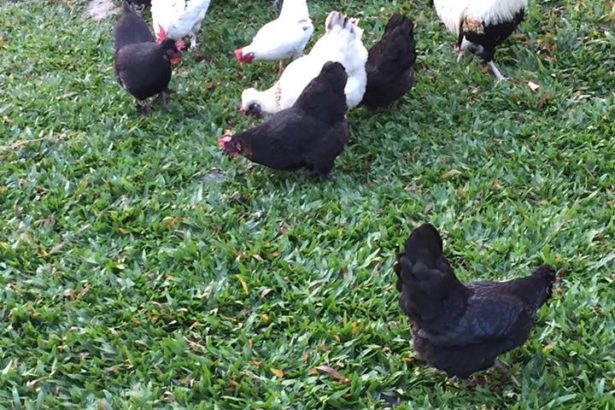
Compared with ordinary domestic chickens, pheasants retain a strong wild nature, are good runners, can fly short distances, and during the day like to forage, move about and dust-bathe in the exercise yard. They have strong adaptability and tolerate coarse feed, but are timid and easily startled; when frightened they tend to fly against the netting and injure themselves, so pens should be sited in quiet places on high, dry ground, with overhead netting and fencing erected to sufficient height.
Farmed pheasants are mostly domesticated strains such as the ring-necked pheasant, and when introducing stock you should choose individuals of well-proportioned build that are lively and alert. The rearing process is generally divided into brooding, growing and adult stages; the brooding period focuses on keeping them warm and feeding good starter feed, after which the proportion of grain, bran and green feed is gradually increased, while stocking density is controlled to reduce feather-pecking and fighting.
Disease prevention and control is a key part of raising pheasants well, requiring vaccination against Newcastle disease and others according to schedule, keeping pens dry and well ventilated, and disinfecting regularly. In addition, pheasant farming is a specialty form of farming, so before starting production you should first learn the relevant local regulations and complete the procedures in accordance with the law, then determine the scale of farming according to sales channels, so that business risk will be more manageable.
Related Reading