Morel production areas are mainly in the mountainous regions of southwest China, and the scope of artificial cultivation continues to expand
Morel is a precious fungus used as both food and medicine, named for the uneven, pitted surface of its cap, which resembles a sheep's stomach. It has very demanding requirements for its growing environment, and its wild resources are relatively concentrated in distribution. For a long time it has been regarded as a top-grade edible mushroom. Understanding the production areas of morels helps in better recognizing the differences in their quality.
In terms of wild distribution, morel production areas in China are mainly concentrated in the mountainous regions of the southwest and northwest, such as Yunnan, Sichuan, Tibet, Gansu and Shaanxi, and are commonly found under mixed coniferous and broad-leaved forests, in river valley zones, or in forest land after fires. Each spring, after temperatures rise and the soil thaws, is the season when wild morels fruit in concentrated numbers. Abroad, wild morels are also produced in places such as France, Turkey and the United States, but yields fluctuate considerably due to climate.
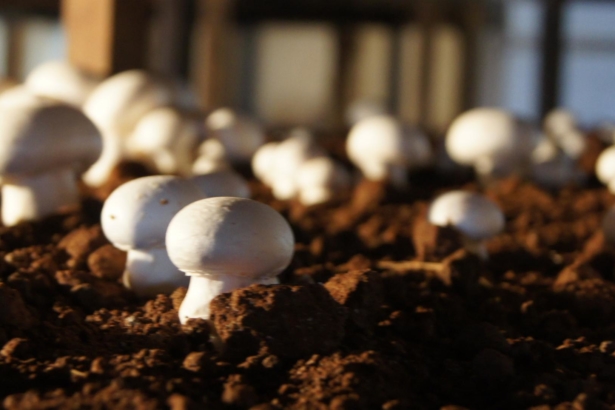
As artificial cultivation techniques gradually mature, morel production areas have also expanded from wild mountain environments to open fields and greenhouses. At present, cultivation areas of a certain scale have formed in places such as Sichuan, Yunnan, Guizhou, Hubei and Henan, among which Sichuan is one of the provinces with a relatively large area of artificial planting. Artificial cultivation makes the supply of morels more stable and also brings more farmers in production areas into growing them.
When selecting morels, you can pay attention to the production area information and the dry or wet state. Usually, those with intact caps, a rich aroma and no mold or insect damage are of better quality. Because climate and soil conditions vary from place to place, morels from different production areas differ slightly in size and aroma, so when buying you can make a comprehensive judgment based on both production area and appearance.
Related Reading