Cashew production areas are mainly distributed in tropical and subtropical regions
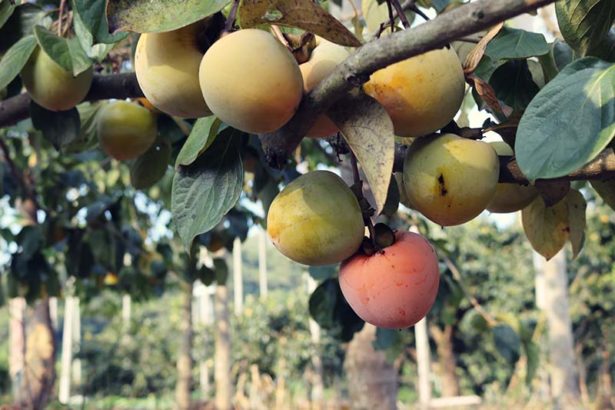
The cashew is an evergreen tree of the genus Anacardium in the family Anacardiaceae. Its fruit consists of two parts: a kidney-shaped nut and a fleshy cashew apple. The cashew nut we commonly eat is the nut portion. The cashew is native to the tropical regions of South America and later spread to Asia and Africa through maritime trade. Today it is one of the world's important tropical cash crops.
From a global perspective, cashew production areas are concentrated in tropical and subtropical regions. Vietnam, India and Indonesia in Asia; Cote d'Ivoire, Nigeria, Tanzania and Mozambique in Africa; and Brazil, the place of origin in South America, are all major producing countries. Among them, Vietnam is known for cashew processing and export, while West African countries are known for their raw nut production.
In China, cashew production areas are mainly distributed in Hainan, Yunnan, Guangdong and other provinces at lower latitudes with warm climates, among which Hainan has a relatively long history of cultivation. The cashew tree likes high temperatures and fears frost. It is drought-tolerant and tolerant of poor soil, and is suited to well-drained sandy soil, so it grows well in coastal and low-altitude tropical areas.
In addition to the nut being edible, the cashew apple is sweet, sour and juicy. It can be eaten fresh and can also be processed into juice, fruit wine and other products. The cashew shell oil extracted from the shell also has industrial uses. When buying cashews, you can pay attention to the place-of-origin information on the packaging, as the nut size and taste may differ slightly among different places of origin.
Related Reading