Full Analysis of Farming Videos: A Technical Guide from Seed Selection to Disease Prevention
Farming videos are footage documenting the farming process of aquatic products, livestock and poultry, and special economic animals, usually recording key stages such as feeding management, water quality control, disease prevention and control, and site construction. Compared with written materials, they present operational details visually, making it easier for viewers to imitate what they see, which is why they have become a common way for many farmers to learn techniques.
In terms of content type, farming videos can be roughly divided into technical teaching, farm footage, and experience sharing. Teaching videos focus on explaining specific stages such as seedling rearing, feeding, or disease prevention; footage-style videos often follow a complete farming cycle; and experience-sharing videos mostly feature farmers describing their own practices and insights in ecological farming, water-saving farming, and drug-free farming.
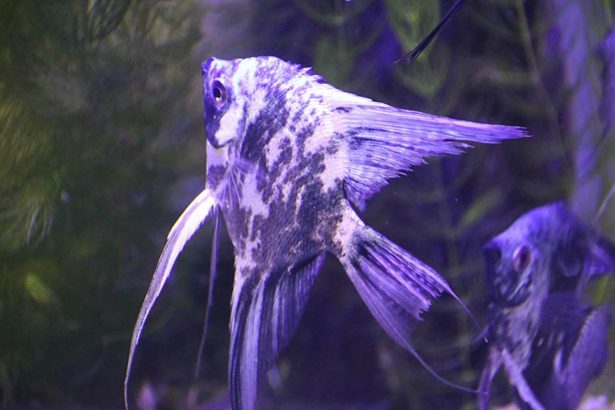
For beginners, farming videos are a low-cost way to get started; watching the process before getting hands-on can help them avoid detours. For experienced farmers, videos also let them learn from practices elsewhere in variety selection, equipment improvement, and sales approaches. Some innovative attempts in ecological farming and ornamental fish and shrimp breeding have become known to more peers precisely through video sharing.
It should be noted that the quality of online videos varies widely, so viewers should pay attention to the background of the publisher and give priority to content featuring people with actual farming experience or professionals from institutions. Climate, water quality, and varieties differ greatly from place to place, so methods shown in videos should not be copied directly; it is best to first verify them on a small scale according to local conditions, and when encountering complex problems such as disease, local technical personnel should still be consulted.
Related Reading