Diverse Breeds of Farmed Chickens: Scientific Rearing Is the Key to Success
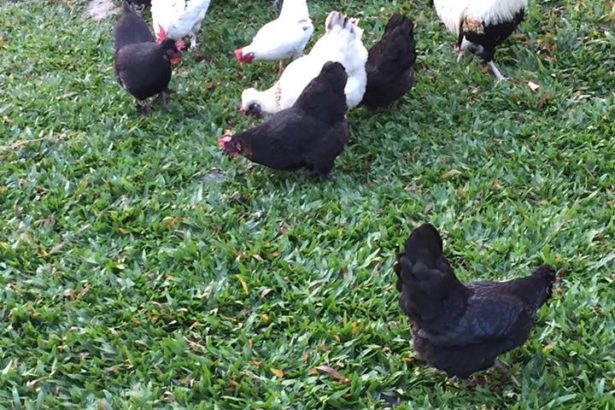
Farmed chickens are domestic fowl bred and managed through artificial rearing, and are one of the earliest poultry species to be domesticated by humans. They are mainly raised to provide eggs and meat, and some breeds can also serve as ornamental or breeding stock. Farmed chickens are extremely widely distributed, from free-range birds in farmhouse yards to large-scale commercial farms, making them a common livestock project in agriculture.
Divided by purpose, farmed chickens can be broadly classified into three types: layer, broiler, and dual-purpose. Layer breeds have outstanding egg-laying performance and a relatively smaller body size; broiler breeds grow faster and yield more meat; dual-purpose breeds balance egg and meat production and suit small- to medium-scale rearing. Local breeds and introduced breeds each have their own characteristics, and farmers can choose according to local climate, site conditions, and market demand.
In terms of feeding and management, coops should be kept ventilated, dry, and at a suitable temperature, with feed formulas adjusted according to different growth stages. The brooding period has high temperature requirements and needs careful warmth retention; at the adult stage, the focus is on balanced nutrition and lighting management. Vaccination and environmental disinfection should also be carried out daily to reduce the risk of disease outbreaks.
Farming chickens requires relatively flexible investment, and it can serve both as a family side business and as a large-scale operation. Common problems for beginners include excessive stocking density, improper feed mixing, and inadequate disease prevention, which can easily trigger respiratory or intestinal diseases. Mastering scientific rearing techniques and persisting in daily observation and record-keeping are the keys to improving survival rates and farming returns.
Related Reading