Xinjiang fig production areas are concentrated in southern Xinjiang, with Atushi being the most famous
Xinjiang's fig production areas are mainly concentrated in the southern Xinjiang region, among which Atushi City in Kizilsu Kirghiz Autonomous Prefecture is the most famous. The area has a long history of fig cultivation and has long enjoyed the reputation of being the hometown of figs. In addition, figs are also cultivated in oasis farming areas such as Kashgar, Aksu and Hotan, making them a highly representative type among Xinjiang's distinctive forest fruits.
The reason Xinjiang figs stand out in quality is closely related to the local natural conditions. Southern Xinjiang has ample sunshine, a dry climate and a large temperature difference between day and night, allowing the fruit to accumulate more sugar; when ripe, the flesh is delicate and the sweetness is rich. Local people often describe fresh figs as sugar buns growing on trees, which shows just how full their flavor is.
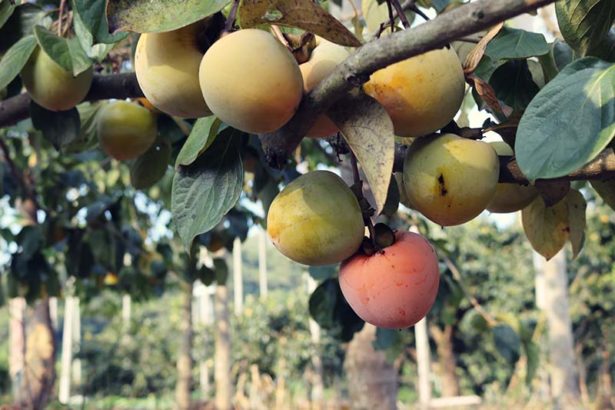
In terms of varieties, Xinjiang figs are mainly local varieties with yellow-green skin. The fruit is mostly oblate, with thin skin and soft flesh, and once ripe it does not tolerate squeezing, so harvesting is generally concentrated from late summer to early autumn. Besides being eaten fresh, figs can also be dried into dried fruit or processed into products such as jam and preserved fruit, making it easier to extend the storage period and sales period.
In terms of cultivation, fig trees are highly adaptable and relatively labor-saving to manage. They are suitable both for scattered planting along field edges and beside homes, and for orchard-scale commercial operations. However, fresh fruit does not keep or travel well, so it is mostly sold locally; consumers elsewhere more commonly see dried figs. When selecting them, those with plump shape, natural color and a slightly soft feel are best.
Related Reading