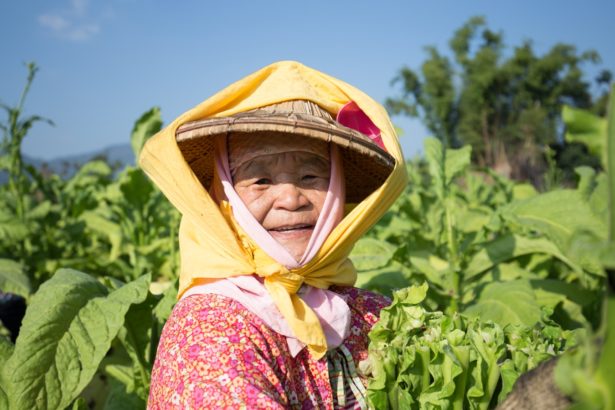
Cilantro Production Areas Span North and South, Cooler Climates Yield Better Flavor
Cilantro, botanically known as coriander (Coriandrum sativum), is an annual or biennial herbaceous plant in the Apiaceae family, valued for its distinctive fresh fragrance and commonly used for seasoning, removing fishy odors and garnishing. The term "cilantro production areas" refers both to where it is grown across different regions and to the differences in harvest timing and flavor that arise from variations in climate and soil among producing regions. Overall, cilantro is highly adaptable and is cultivated throughout both northern and southern regions, making it a leafy aromatic vegetable that can be found year-round in vegetable markets.
Cilantro prefers cool climates and has some cold tolerance but does not tolerate high temperatures well. Its optimal growing temperature is roughly 15 to 20 degrees; when temperatures are too high, it tends to bolt and flower, producing smaller leaves with weaker aroma. For this reason, open-field cultivation is mostly scheduled in spring and autumn, while winter supply relies on warmer southern regions or greenhouse facilities, creating a year-round, uninterrupted supply pattern. As for site conditions, loose, fertile, well-drained loam is more conducive to root development, producing cilantro with thicker, sturdier leaf stalks and a richer fragrance.
In terms of distribution, North China, East China and Central China all have relatively concentrated cultivation areas, and some high-altitude cool regions can also produce cilantro of good quality in summer; in Taiwan, China, the Beidou area of Changhua is one of the well-known traditional production areas. Different production areas have their own flavor characteristics and harvest seasons due to differences in temperature ranges and management practices. Generally speaking, the fresher the cilantro after harvest, the more completely its aroma is preserved.
When selecting, choose leaves that are bright green without yellowed or rotting leaves, and stalks that are crisp, tender and juicy. Cilantro does not keep well; after buying, wrap it in kitchen paper, refrigerate it and consume it as soon as possible. In everyday cooking, besides being used in soups, salads and to remove fishy odors and enhance flavor, it is also often used to garnish dishes. People who are sensitive to its smell can try a small amount the first time; most people find their acceptance increases noticeably once they get used to it.
Related Reading