How to Raise Daphnia: Methods and Key Points for Home Breeding of Daphnia
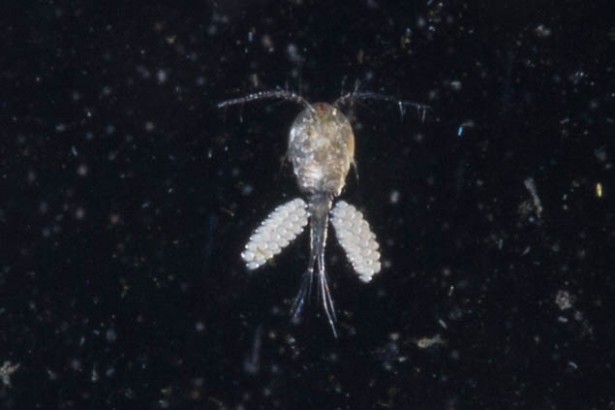
Daphnia is the common name for small planktonic crustaceans, and people who fish and keep fish often call them fish insects as well. Broadly speaking, they include two major groups, the cladocerans and the copepods; the common Daphnia and Moina belong to the former, while Cyclops belongs to the latter. Their bodies are only a few millimeters long, and they feed on algae, bacteria and organic debris in the water. They reproduce quickly and are high in protein, making them an excellent live food for ornamental fish fry and small to medium-sized fish.
Raising Daphnia at home is not difficult; just choose a container with a wide mouth and shallow water, such as a plastic basin, a storage box or an unused fish tank, and keeping the water depth at around ten-odd centimeters is better for dissolved oxygen. The water used for culture is best left to sit in the sun for one or two days beforehand to remove chlorine, or you can directly introduce old pond water containing green algae, since the green algae itself is a natural food for Daphnia.
For routine feeding, you can use yeast, soybean milk, milk powder and so on, sticking to small amounts given frequently, and better less than more. Excess food easily spoils the water quality and causes the population to suddenly collapse. Daphnia like warm water, and the warmer the weather, the more vigorously they reproduce. Placing the container in a spot with scattered light can promote algal growth. Usually you only need to top up and change a small amount of water, keeping the water color a faint green.
Once the density of Daphnia rises noticeably, you can scoop them out with a fine mesh net to feed your fish, and by keeping enough breeding stock you can harvest them continuously. It is worth mentioning that copepods such as Cyclops also prey on mosquito larvae, and in some places they are stocked to control mosquitoes and reduce the spread of mosquito-borne diseases such as dengue fever. If you find the water smelling foul and large numbers of Daphnia dying, it is most likely caused by overfeeding; change the water promptly and reduce feeding, and the population will generally recover gradually.