Types of Aquatic Plants: An Introduction to the Classification of Emergent, Floating-Leaf, Free-Floating and Submerged Plants
Aquatic plants are a group of plants able to grow normally in water or in water-saturated soil for long periods. They have developed special structures in their leaves, stems and root systems that adapt them to wet water environments. They are widely distributed in lakes, rivers, ponds, wetlands and other water bodies, and are an important part of aquatic ecosystems.
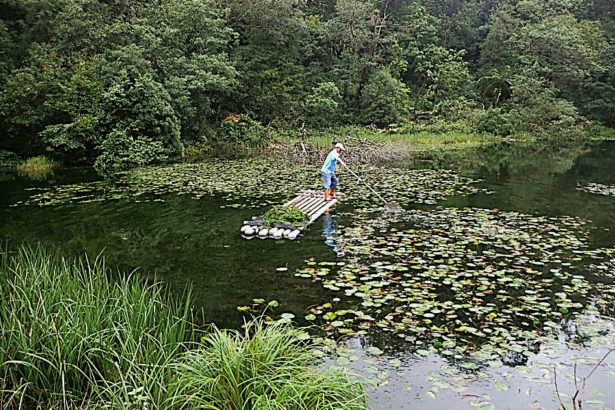
According to differences in life form, aquatic plants are usually divided into four major categories. The roots of emergent plants are anchored in the mud at the bottom, with stems and leaves rising above the water surface; common examples include lotus, reed, cattail, sweet flag, purple loosestrife and powdery alligator-flag. The leaves of floating-leaf plants float on the water surface while the roots are fixed in the bottom; representative species include water lily, euryale, floating heart and yellow water-lily. Free-floating plants drift as whole plants and move with the current, such as duckweed, water lettuce and water hyacinth. Submerged plants have the entire plant immersed in water, for example hornwort, water milfoil, hydrilla and eelgrass.
Aquatic plants have a very wide range of uses. They can be used to create garden water features and enhance the layered scenery of the water surface, and they can also adsorb suspended solids and absorb excess nutrients in the water, thereby helping to purify water quality, while at the same time providing habitats and breeding sites for fish, water birds and other organisms. In addition, lotus root, wild rice stem, water caltrop and water shield are also common aquatic vegetables with relatively high economic value.
It should be noted that when introducing aquatic plants, native species should be given priority, and species with extremely strong reproductive capacity such as water hyacinth and water lettuce should not be planted casually, in order to prevent them from spreading rapidly, crowding out the living space of native plants and damaging the ecological balance of water bodies. In routine management, overly dense plants should also be cleared regularly to keep the water body open and the landscape tidy.