A Detailed Guide to Daphnia Culture Methods and Daily Management Points
Daphnia culture refers to the process of artificially cultivating cladoceran zooplankton. Daphnia are usually only a few millimeters long and move in jumps like tiny fleas, which is why they are commonly called fish bugs or red worms. They are filter feeders that live on algae, yeast, bacteria and organic debris in the water, and are an important live food source for ornamental fish fry and many aquatic larvae.
Common cultured species include Daphnia magna, Daphnia pulex and Moina species. Moina reproduce quickly and adapt strongly, and are often used for large-scale cultivation; Daphnia magna are larger and suitable for feeding medium to large ornamental fish. When conditions are suitable, Daphnia mostly reproduce rapidly by parthenogenesis, and population numbers can increase noticeably in a short time.
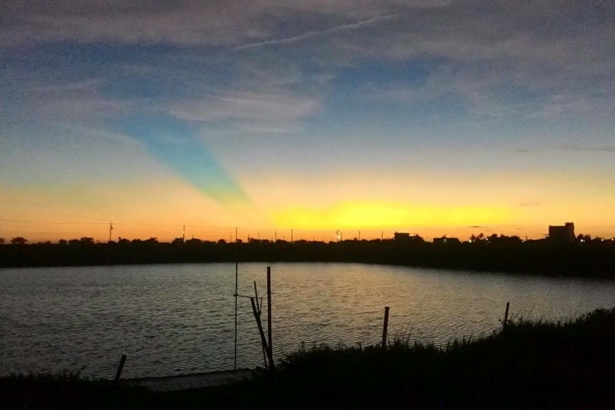
To cultivate Daphnia, containers or earthen ponds with plenty of sunlight and stable water quality are generally chosen; first a green water rich in algae is grown, then seed Daphnia are introduced. Daily management mainly involves feeding yeast, green algae or fermented organic fertilizer, taking care to feed small amounts frequently to avoid leftover food fouling the water. If the water temperature is kept in a warm range and the water maintains a certain level of dissolved oxygen, the population will be more likely to remain stable.
The most common problem in culture is deterioration of water quality leading to a sudden population collapse, shown by mass death of Daphnia and foul-smelling water. Therefore adults need to be harvested regularly, a suitable amount of fresh water added, and the feeding amount strictly controlled. As long as the balance between food and culture density is well managed, Daphnia culture can provide a continuous, fresh live food source for ornamental fish breeding and fisheries fry rearing.
Related Reading