Mink Farming: Key Points on Feed Nutrition and Disease Prevention and Control
The mink is a slender, semi-aquatic fur-bearing animal with dense, glossy fur; the species kept in captivity is mainly the American mink. Mink farming is aimed primarily at obtaining mink pelts. The fur is fine and dense with a soft leather backing, making it a premium raw material for clothing and leather goods, and it is relatively common in the cooler northern regions.
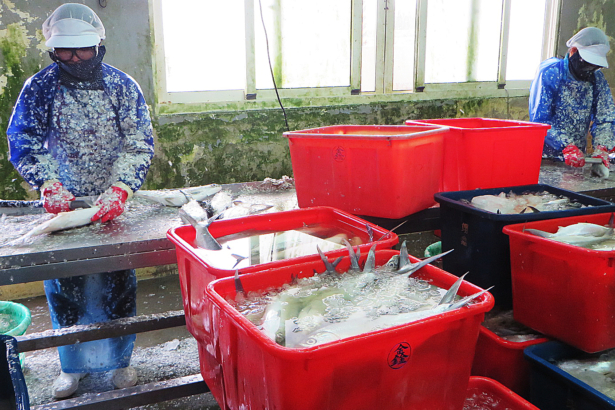
The mink is a carnivorous animal. Its daily feed consists mainly of fish and shrimp, livestock and poultry offal, and compound feed, and a supply of animal protein must be ensured. It prefers cool conditions and cannot tolerate heat; its housing requires ventilation and dryness, clean cages, and an adequate supply of drinking water. Minks are solitary by nature and are mostly kept individually except during the breeding season, to prevent them from biting one another.
Reproduction is a key part of mink farming. Female minks come into estrus and mate each spring, and because the fertilized egg has the trait of delayed implantation, the gestation period varies in length; the whelping period is concentrated in late spring. During this stage, care should be taken to keep the environment quiet and the nutrition balanced, to raise the survival rate of the kits, and to do a good job of weaning and selection, gradually improving the quality of the breeding population.
During the farming process, emphasis must be placed on preventing and controlling common diseases such as canine distemper and viral enteritis, with consistent regular disinfection and vaccination, and sick minks should be isolated and handled promptly when discovered. In addition, mink farming attracts attention regarding animal welfare and environmental protection; farmers should properly handle manure, wastewater and offal and operate in accordance with laws and regulations, so that the industry can develop in a sustained and stable way.
Related Reading