Which variety is suitable to grow depends on climate, soil and cultivation purpose
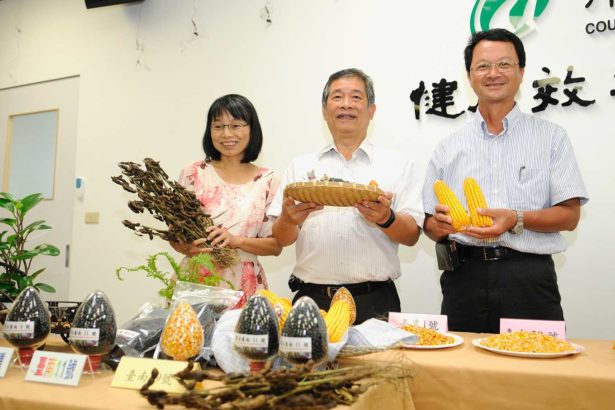
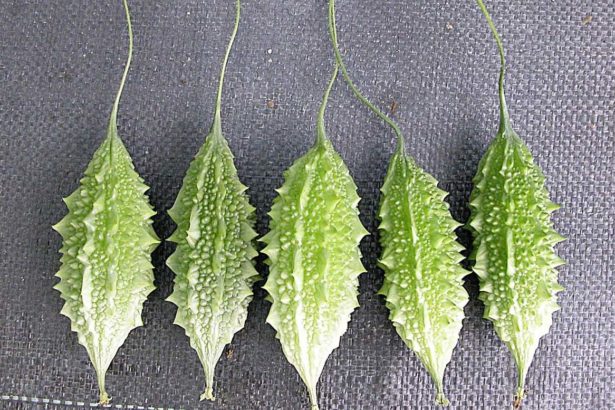
Variety is an important concept in the classification of crops, referring to a group of crops formed through artificial selection or long-term cultivation, with stable traits that are clearly different from one another. Under the same crop, many varieties can be further subdivided, for example black soybean, hard corn, wild bitter gourd, red quinoa and others all have their own named varieties. Variety and species are different: species emphasize natural classification, while variety is closer to actual cultivation and use.
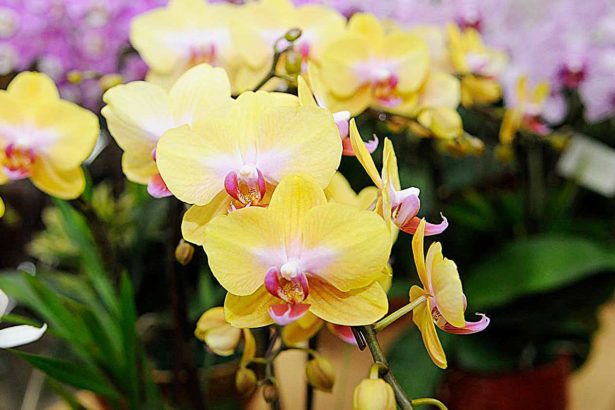
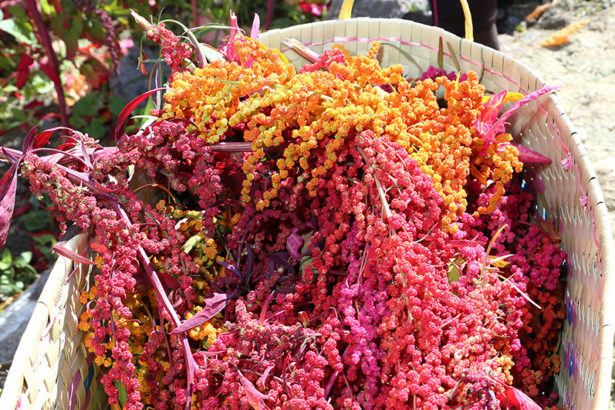
Different varieties often show obvious differences in appearance, flavor, yield, growth period and resistance to pests and diseases. For example, the panicle color of red quinoa has many variations, and the flower shape and color of Phalaenopsis orchids also differ by variety; in the private sector, an image recognition system has even been developed to assist identification. These differences allow the same crop to match different environmental conditions and market demands.
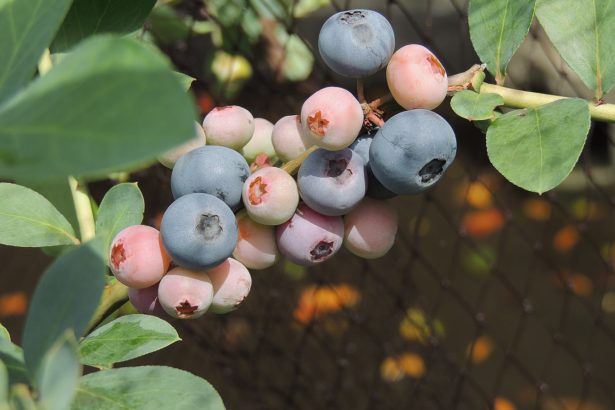
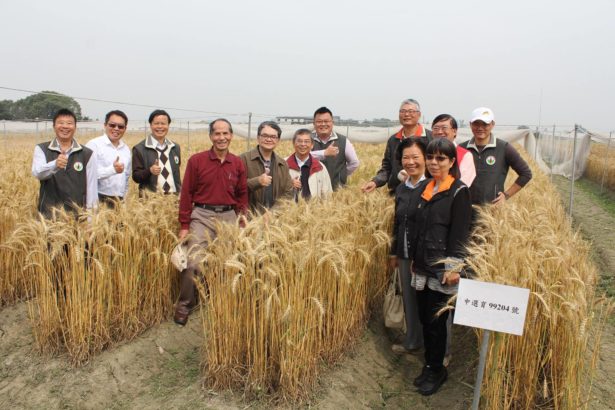
When selecting a variety, local climate, soil conditions and planting purpose are usually considered; fresh eating, processing or ornamental use each have suitable choices. Agricultural improvement stations and research units in various places cultivate and promote varieties confirmed through trials, and planting with reference to this kind of information usually has a higher success rate. For non-native crops such as blueberry, whether they can be cultivated successfully also depends in part on finding varieties adapted to the local environment.
Simply put, there is no absolutely best variety, only a suitable or unsuitable one. First understand the characteristics of each variety, then compare them with your own environment and goals, and you can narrow the range of choices and make planting twice as effective.
Related reading