Diverse Aquaculture Methods, with Ecological Farming Gradually Becoming a Trend
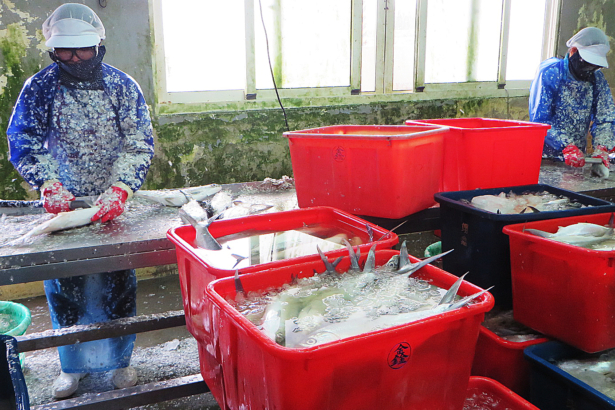
Aquaculture refers to the production activity of cultivating fish, shrimp and crabs, shellfish, algae, and other aquatic organisms in freshwater or seawater environments through manual control and management. It is an important component of the fisheries industry, providing people with a source of high-quality protein, and it is also a key industry in many coastal and lake regions.
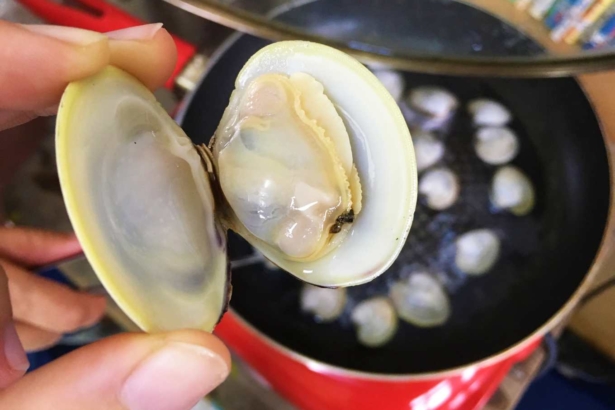
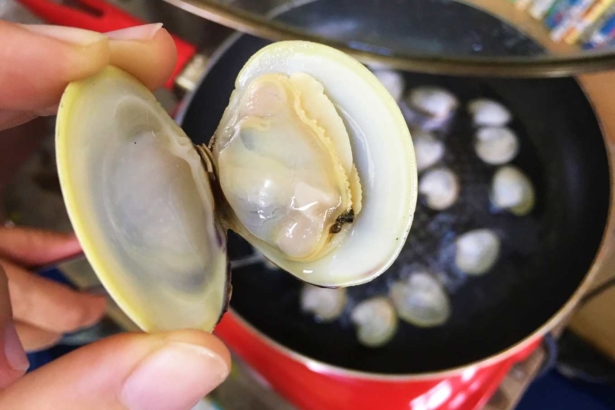
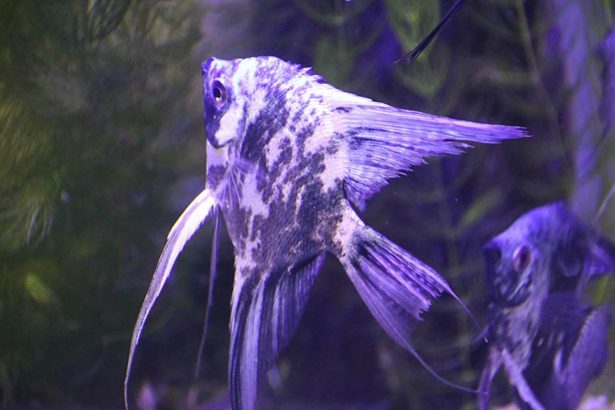
Divided by aquaculture water area, aquaculture can be broadly classified into two major categories: freshwater aquaculture and marine aquaculture. Freshwater aquaculture is mainly carried out in ponds, reservoirs, lakes, and other water bodies, with common species including grass carp, silver carp, bighead carp, tilapia, and various ornamental fish; marine aquaculture covers forms such as cage fish farming, mudflat shellfish farming, and algae farming, such as hard clams, oysters, and kelp.
From the perspective of farming methods, traditional pond aquaculture still accounts for a large proportion, while new models such as recirculating aquaculture and ecological polyculture are gradually gaining attention. In recent years, many farmers have tried to reduce groundwater extraction and lower drug use, improving water quality and the farming environment to enhance product quality and move onto a path of sustainable development.
Common problems in the farming process include water quality deterioration, disease outbreaks, and species degeneration, which need to be prevented through scientific feeding, regular water quality monitoring, and reasonable control of farming density. As consumer demand upgrades, concepts such as drug-free farming and ecological farming are becoming increasingly widespread, and aquaculture is developing in a green and healthy direction.
Related Reading