Boletus mushrooms are mostly produced in the mountainous areas of southwest China, with Yunnan being the most famous
Boletus is a collective term for many kinds of large fungi in the family Boletaceae. It is named for its thick flesh, which resembles an ox liver. Most species are edible, and it is a wild edible mushroom well known around the world. As for where boletus comes from, it is most concentrated in the mountainous areas of southwest China, such as Yunnan, Sichuan and Guizhou. Among these, Yunnan has a wide distribution and high output and is recognized as the main boletus-producing region, with production in many prefectures and cities across the province. Overseas, Europe and North America also produce it, and it is commonly found on dining tables in countries such as Italy.
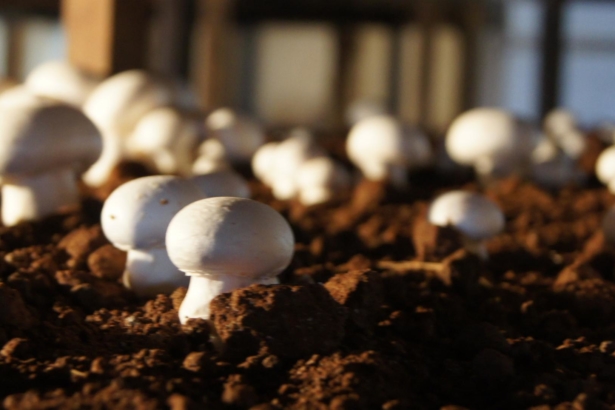
Boletus mostly grows in symbiosis with trees such as pines and oaks, and often grows in humus soil in mixed coniferous and broad-leaved forests or at the edges of mountain forests. Every year, when rainfall is concentrated in summer and autumn, it enters its peak fruiting season, and fresh fruiting bodies come onto the market one after another. Rainfall and temperature have an obvious effect on how many mushrooms fruit, which is also why flavor and quality differ slightly among production areas.
Common types include white boletus, yellow boletus and black boletus. In Yunnan, some groups that change color after being cut are also commonly called red scallion or jianshouqing. Most types have a plump texture and rich aroma, but some contain allergenic or hallucinogenic compounds and must be thoroughly stir-fried and cooked through before they can be eaten.
Boletus is rich in protein, polysaccharides and various amino acids. It has a savory aroma and is suitable for stir-frying or stewing soup, and is also often made into dried slices or quick-frozen products for long-term storage. When selecting, those with intact caps, thick flesh, no insect holes and no off odor are best, while dried products should be dry and not moldy. Finally, a reminder: foraging and eating in the wild requires caution. Do not eat wild mushrooms that cannot be accurately identified, to avoid poisoning.
Related Reading