An Analysis of the Benefits and Effects of Pumpkin: A Nutrient-Rich, Everyday Healthy Food
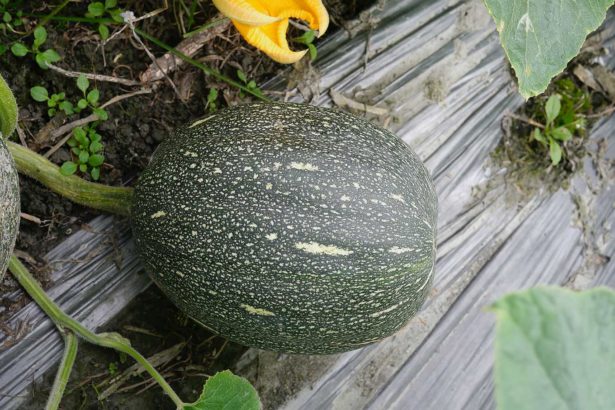
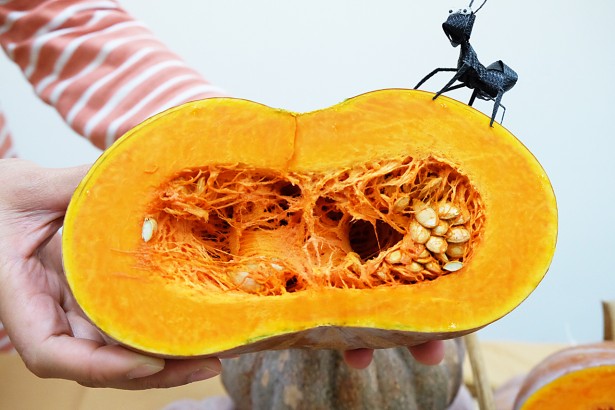
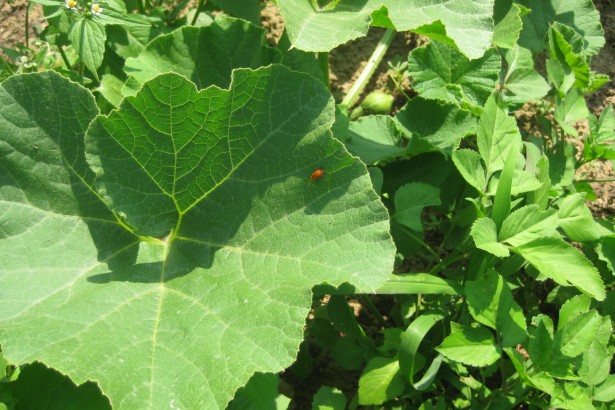
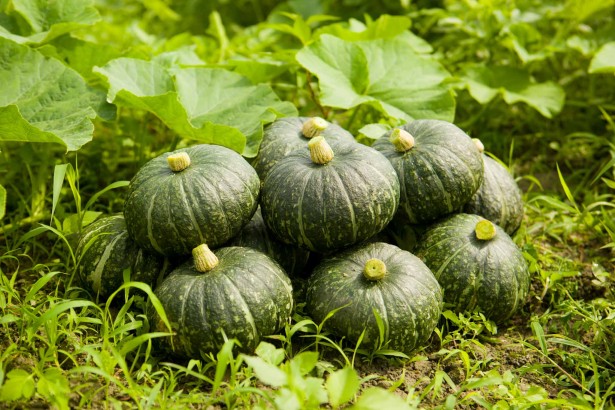
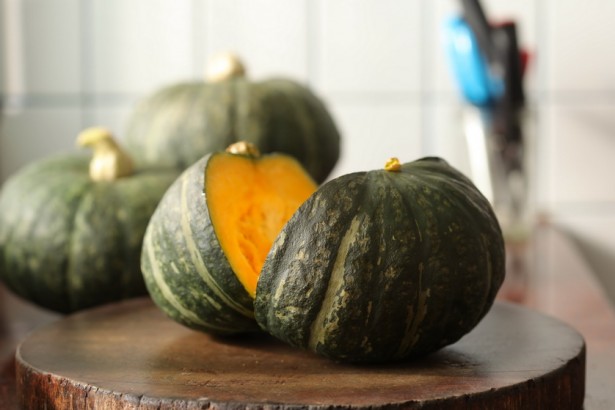
Pumpkin is an annual vining herbaceous plant of the genus Cucurbita in the gourd family (Cucurbitaceae). Its flesh is mostly orange-yellow, dense in texture and mildly sweet. It serves both as an everyday vegetable and as a partial substitute for staple foods. It has strong adaptability and is relatively easy to cultivate and manage, and it is widely grown in many regions. Common types include the traditional Chinese pumpkin, the Western pumpkin (commonly known as chestnut pumpkin) with its starchy, sweet flesh, and small ornamental varieties.
From a nutritional standpoint, pumpkin contains carotene, dietary fiber, and a variety of vitamins and minerals. It is moderate in calories and suitable for inclusion in a balanced daily diet. The carotene it contains can be converted into vitamin A in the body, which helps maintain normal vision and skin condition; dietary fiber can increase satiety and promote intestinal peristalsis, which is beneficial for smooth bowel movements.
When eating pumpkin, attention should also be paid to how it is prepared and how much is consumed. Pumpkin contains carbohydrates, so if a large amount is eaten at a meal, rice and other staple foods should be reduced accordingly; people who need to control their blood sugar should be especially mindful of their intake. For cooking, steaming, boiling and roasting are all suitable, and it is also quite common to use it in soups, congee or snacks. Roasted pumpkin seeds are likewise a common snack.
When selecting, choose fruit with a hard, intact skin, a dry stem end, and a weighty feel when lifted. A whole pumpkin can be stored for a long time in a cool, ventilated place; after cutting, it is advisable to remove the seeds, wrap it well and refrigerate it, and cook and eat it as soon as possible to preserve its flavor and quality.
Related Reading