An Introduction to Snail Farming Methods and Key Water Quality Management Points
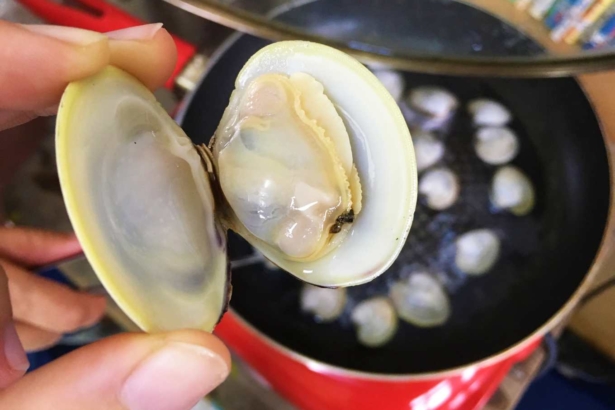
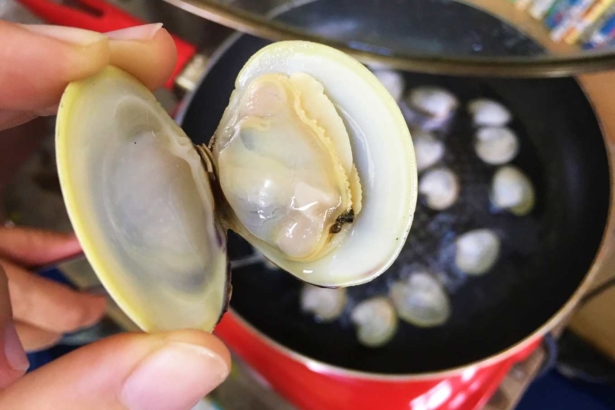
Snail farming is a traditional category within freshwater aquaculture, and the farmed species are mostly the round-whorled snails (river snails, Cipangopaludina spp.) commonly found in rivers and lakes, the very snails eaten at late-night food stalls. Their shells are thin and their flesh plump, they adapt easily, and they are often stocked in ponds, ditches or rice paddies, growing slowly on natural feed.
Snails prefer clean water with plenty of dissolved oxygen, and during the day they mostly cling to rocks on the bottom or to pond walls, feeding on algae, decaying matter and organic debris. They are ovoviviparous animals: the mother snail directly produces small snails, and reproduction does not go through an independent planktonic larval stage, but their growth rate is relatively slow and the farming cycle is rather long.
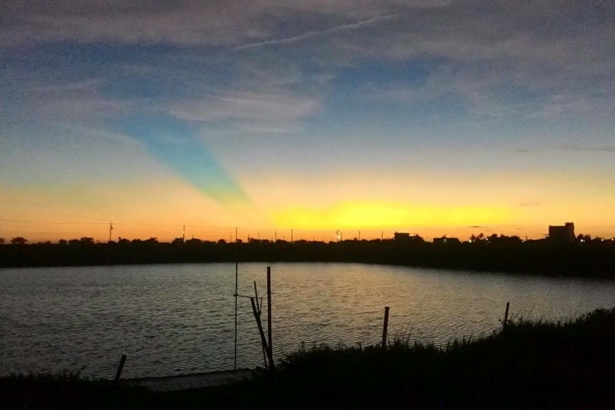
For farming management, choosing a site with abundant, unpolluted water is the first step; before stocking, the pond must be cleared of pests and harmful organisms, and wild trash fish and predators must be controlled. The daily focus is on maintaining and adjusting the water, keeping the water body somewhat flowing, appropriately feeding supplementary feed such as vegetable leaves and wheat bran, and preventing pesticides and sewage from entering, otherwise the snails will easily die in large numbers.
Snails are mainly used for food and also serve as natural feed for fish such as black carp (Mylopharyngodon piceus). Market demand is relatively stable, and since farming costs are not high and management is relatively extensive, they are suitable for polyculture with fish or for using idle water surfaces. Common problems are mostly concentrated in water quality deterioration, predator intrusion and escape; as long as the inlet and outlet water are properly controlled and escape-prevention facilities are checked regularly, fairly stable production can generally be maintained.
Related Reading