An Introduction to the Characteristics of Chrysanthemums and the Applications and Value of Their Main Varieties
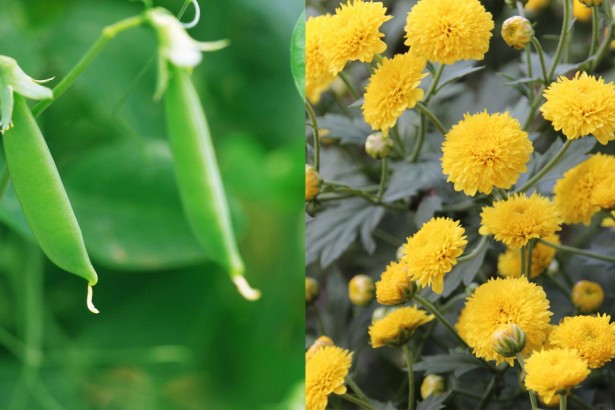
The chrysanthemum is a perennial herbaceous plant of the genus Chrysanthemum in the family Asteraceae, and it is also one of China's traditional famous flowers. Its plants are mostly several tens of centimeters to about one meter tall, with upright and much-branched stems, alternate leaves that are pinnately deeply lobed, and serrated edges. The most distinctive feature of the chrysanthemum is its flower head; what people usually call petals are in fact ray florets, while the central part consists of tubular florets, and the flower colors are rich and varied, with yellow, white, pink, purple and many other colors commonly seen.
There is an extremely wide range of chrysanthemum varieties, and through long-term cultivation and selective breeding, different types such as ornamental chrysanthemums, edible chrysanthemums and medicinal chrysanthemums have gradually taken shape. Ornamental chrysanthemums vary richly in flower form, with many postures such as ball type, lotus-rosette type and flying type; those used for brewing tea or cooking are mostly categories such as white chrysanthemum, Hangzhou chrysanthemum, Gongju and golden-silk imperial chrysanthemum, whose flowers are relatively small and have a fresh, delicate fragrance.
In terms of application value, chrysanthemums can be used for courtyard landscaping, potted ornamental display and cut-flower decoration, and are also often made into chrysanthemum tea for brewing and drinking, while among the people there are also traditional ways of eating them such as chrysanthemum porridge and chrysanthemum wine. Traditional medicine holds that chrysanthemums are slightly cold in nature and are said to clear the liver and brighten the eyes, but if they are to be used medicinally they should be used under the guidance of a professional physician, and it is inadvisable to take large amounts on one's own.
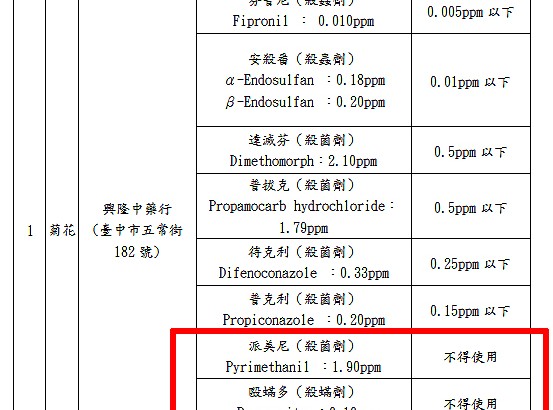
For care, chrysanthemums prefer a sunny, cool and moist environment and are afraid of waterlogging, so they are suitable for planting in loose, fertile soil with good drainage; pinching out the growing tips and topping appropriately during the growing season can promote branching and increase the number of flowers. In addition, it should be noted that chrysanthemums used for brewing tea or eating require attention to the issue of pesticide residues, and it is recommended to buy products with quality guarantees through proper channels; a quick rinse with warm water before brewing makes them safer to drink.
Related Reading