Kyoho grapes are widely distributed across production areas, with large-scale cultivation from north to south
Kyoho grapes originated in Japan and were bred from crosses of large-berried varieties. They are named for their large berries, purple-black skins and the layer of white bloom covering the surface. The flesh is moderately firm yet soft, high in sweetness and distinctly fruity, making it a table grape variety mainly eaten fresh.
As for production areas, Kyoho grapes favour warm, sunny sites with good drainage, and they especially need stable weather during flowering and colouring. In mainland China, they are grown over a wide area, with large-scale cultivation in Liaoning, Hebei, Shandong, Zhejiang, Hunan, Yunnan and elsewhere. Because of the climatic differences between north and south, the ripening period can run from summer into autumn.
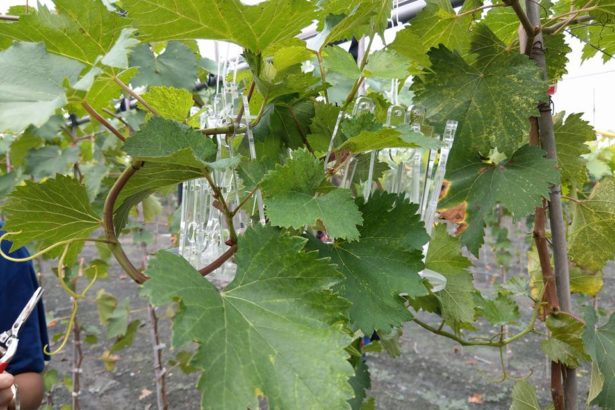
In Taiwan, China, Kyoho grapes are mainly concentrated in districts such as Houli, Waipu and Xinshe in Taichung City, as well as around Zhuolan in Miaoli. Local cultivation and management are meticulous, generally using bagging and protected cultivation to reduce pests and diseases, and regulating the fruiting season so that fresh fruit can be harvested and supplied to the market in both summer and winter.
When selecting them, first check whether the bloom is intact, whether the berries are plump and whether the colouring is even. Clusters with green stems and a moderate, neither too tight nor too loose, spread of berries are usually more consistent in quality. Kyoho grape skins are thick and easy to peel, suiting them to eating fresh, and they are also often used for juicing or making homemade jam.
In recent years, many production areas have combined tourist farms with harvest experiences, opening their fields to visitors so they can learn about pruning, cluster thinning, bagging and other field work. This has made Kyoho grapes more than just a fruit, turning them into an agricultural feature that links production areas with the dining table.
Related Reading