Muscovy duck farming has strong adaptability, and scientific management is key
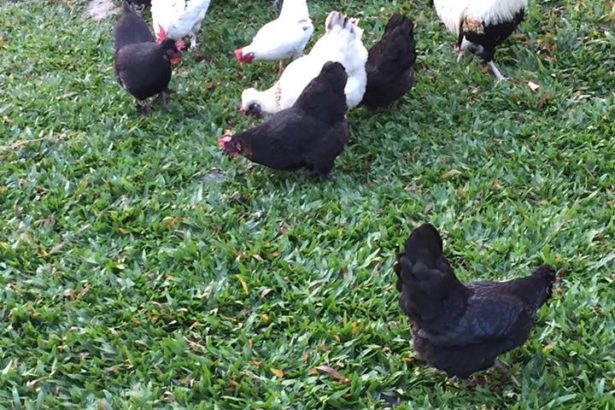
The Muscovy duck is a poultry breed named for the red fleshy caruncles on its face, which make it look fiery; its plumage is mostly black or a mix of black and white, its body is slightly larger than that of the common domestic duck, and its temperament is relatively gentle. In some areas, similar-looking Muscovy-type breeds are also commonly grouped together under the name "huoya" (Muscovy duck), and it is a meat-type waterfowl much favored by farmers.
This duck has strong adaptability and tolerance for coarse feed, and it also has a certain resistance to disease; it likes to move about near water but can also adapt to pen raising on dry land. It is omnivorous, able to eat grains, green grass, vegetable leaves and aquatic plants, and it does not demand much in the way of feed conditions; it is suitable both for small-scale free-range raising by farming households and as a basis for large-scale rearing.
When raising them, it is best to build the house on higher ground with good drainage, ventilation and sun exposure, and to set aside an exercise area and a shallow-water area for the flock to move about in. During the duckling stage, keep them warm and feed them easily digestible starter feed; after they enter the growing stage, green feed can gradually be added, while ensuring clean drinking water. Pay daily attention to cleaning the pen and disinfecting regularly, and in the rainy season do a good job of moisture-proofing and ventilation; this can effectively reduce the occurrence of disease.
Muscovy duck meat is firm and relatively low in fat, and in many places it is regarded as a specialty poultry meat; the rearing cycle and output vary depending on the breed and raising method. Beginners introducing stock should choose healthy ducklings from legitimate breeding duck farms, and should not be tempted by low prices to buy ducklings of unknown origin. Usually pay attention to the flock's spirit and feeding conditions, and when abnormalities are found, isolate them promptly and ask a veterinarian for diagnosis and treatment; only in this way can farming risks be steadily reduced.
Related Reading