Peanut growing regions determine flavor: understanding the main production areas and soil conditions
Peanut, also known as groundnut, is a warmth-loving legume crop. After flowering and pollination, the ovary stalk burrows into the soil to form pods, so peanut growing regions are mostly areas with a warm climate, ample sunshine, and loose, well-drained soil. This kind of sandy loam has good aeration, which not only helps the pods swell but also makes it less likely for the pods to be damaged during harvest, making it an important condition for forming a high-quality production area.
In the case of Taiwan, China, peanuts are mainly distributed in Yunlin, Changhua, Chiayi and other counties and cities, among which the Shuilin and Beigang areas of Yunlin are especially well-known production areas. Soil and climate differences in different production areas bring flavor differences. Some peanuts have plump kernels and a rich aroma after roasting, and are often processed into peanut oil, peanut butter or baked snacks, and are very popular in the market.
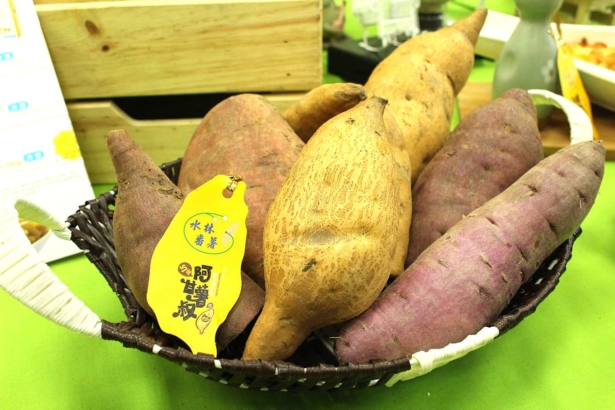
In terms of farming methods, the peanut cultivation period is divided into spring crop and autumn crop. Farmers arrange sowing and harvesting according to the climate of each area, and often rotate peanuts with crops such as rice and sweet potato to maintain soil fertility and reduce pests and diseases. Peanut roots have nitrogen-fixing ability, which also helps the rotation system, making peanuts a fairly important legume crop in production areas.
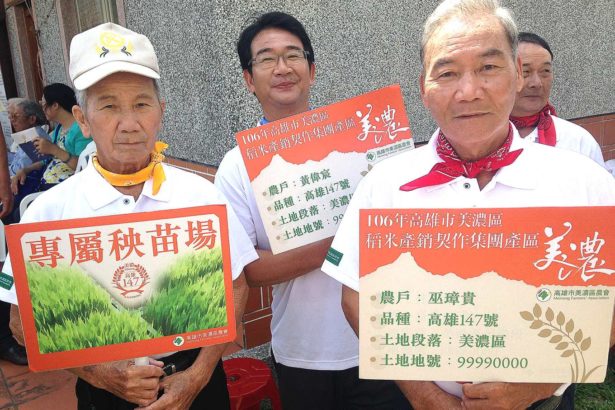
For consumers, knowing peanut production areas helps in choosing fresh and safe products. In recent years, the trend of direct purchasing from production areas and local production for local consumption has risen. Buying directly from farmers' associations or small farmers in production areas not only makes the source clear but also supports local agriculture. When purchasing, it is worth paying attention to the place-of-origin labeling and related certification marks on the packaging for better flavor and quality assurance.
Related Reading