Raising Black Wind Silkie Chickens: Understanding Breed Characteristics and Husbandry Management Techniques
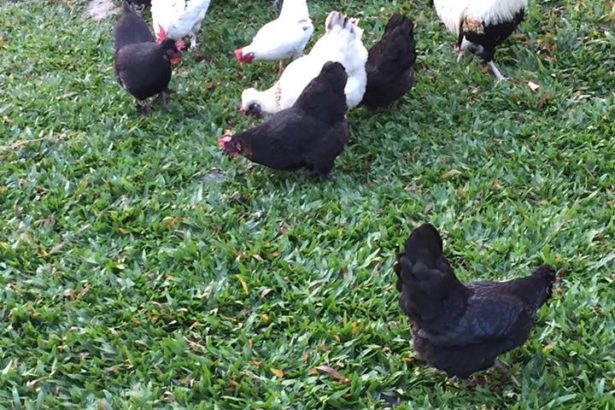
The Black Wind Silkie is a distinctive breed within the silkie group, named for its all-black plumage, and some individuals even grow silky feathers, creating a striking contrast with the common white-feathered silkie. Its feathers, skin, muscle and bones are mostly black, and it is often called the "five-black chicken" in folk usage, combining edible and ornamental value.
In terms of habits, the Black Wind Silkie is medium in size with a sturdy constitution, strong adaptability and tolerance for coarse feed, and it adapts to both confined and free-range systems. Its growth rate is slower than that of ordinary fast-growing meat chickens, and its rearing cycle is relatively long, but its meat is firm, tender and richly flavored, which is an important reason many farmers choose to raise it.
During rearing, management in the brooding stage is especially critical, as chicks are relatively sensitive to low temperatures and require good heat and moisture retention, followed by gradual weaning off heat. Daily feeding can be based on energy and protein feeds such as corn and soybean meal, appropriately supplemented with green fodder, and the free-range site should be chosen on high, dry, well-drained slopes or woodland, with vaccination and coop disinfection maintained to reduce common problems such as coccidiosis and respiratory diseases.
In terms of application value, the Black Wind Silkie, with its black bones and black meat, is much favored in traditional dietary therapy and is often used in cooking methods such as stewed soup. Because of its long rearing cycle and the relatively limited supply of purebred stock, the seed source should be verified through proper channels when introducing birds, to avoid substituting ordinary silkie or crossbred chickens, so that both farming returns and product quality can be ensured.
Related Reading