Freshwater mussel farming requires attention to species selection and water quality management
Freshwater mussel farming is the production activity of raising freshwater mussels in ponds, lakes, reservoirs and other water bodies, with the main purposes including cultivating pearls and obtaining edible mussel meat. Freshwater mussels are common freshwater bivalve mollusks that grow by filter-feeding on plankton and algae in the water, so the quality of water conditions directly affects the farming results.
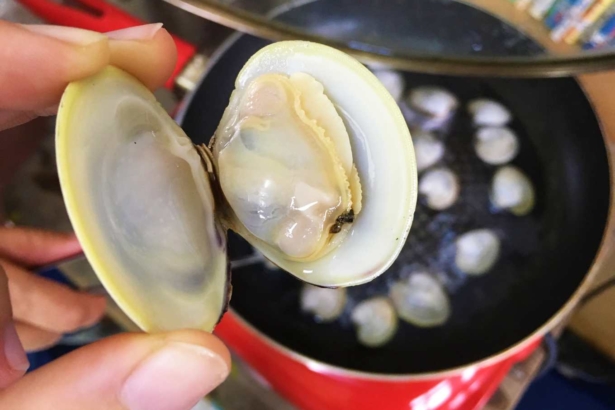
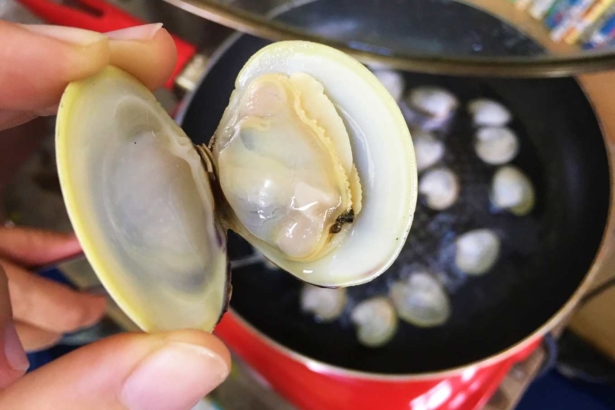
Common farmed species include the triangle sail mussel (Hyriopsis cumingii), the wrinkle comb mussel (Cristaria plicata), and the swollen pond mussel (Anodonta woodiana). Among them, the triangle sail mussel and the wrinkle comb mussel have better pearl-producing performance and are mostly used for pearl production; the swollen pond mussel is widely distributed and has thicker meat, and is often farmed as an edible mussel. When selecting seed stock, individuals with intact shell shape, strong shell closure, no injury or disease, and few attachments should be chosen.
Farming methods mainly include pond suspension culture, cage culture, and bottom sowing in large water bodies. Before stocking, the pond must be cleared and disinfected; during the farming period, water fertility should be kept moderate - too lean means a lack of feed, while too fertile makes oxygen depletion and deterioration likely. In high-temperature seasons, attention must be paid to aeration, the growth and survival of the mussels should be checked regularly, and harmful organisms should be removed promptly.
The value of freshwater mussel farming is mainly reflected in three aspects: pearls, mussel meat, and shells; the shells can also be used to process handicrafts and so on. In daily management, the most common problems are mussel deaths and diseases caused by water quality deterioration, so water changing, fertility control, and disease prevention measures must be carried out properly; only by persisting in fine management can better farming benefits be achieved.
Related Reading