Mandarin Fish Farming: Focus on Feed Feeding and Water Quality Management
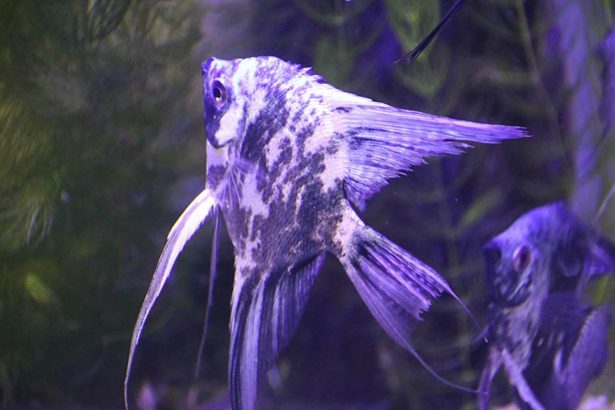
Mandarin fish is the common name for the mandarin fish (Siniperca chuatsi), a highly popular and prized freshwater fish in China, known for its tender flesh, few bones and delicious taste, so mandarin fish farming has reached a certain scale in many regions. Common methods include pond monoculture and cage culture, and some farmers also polyculture it together with forage fish, arranging production according to local conditions.
The mandarin fish is a typical carnivorous fish, preferring to inhabit the middle and lower layers of the water body, with relatively high water quality requirements, favoring fresh and clean water, and with weak tolerance to low oxygen. During farming, dissolved oxygen must be kept sufficient, and in high-temperature seasons especially, take care to run the aerators frequently to prevent the fish from gasping at the surface.
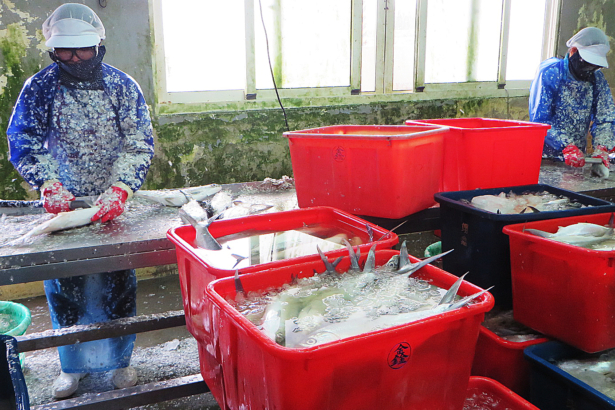
Feeding is a key part of mandarin fish farming. The traditional practice is to raise or purchase small fish such as mud carp and silver carp as live feed, and to adjust the size and quantity of the forage fish promptly according to the fish's size, ensuring they can swallow them while avoiding waste. In recent years, some farmers have also acclimated mandarin fish to accept artificial compound feed, which can reduce feed costs, but this requires patient training starting from the fry stage.
In daily management, patrol frequently and observe the fish's feeding and activity status. Mandarin fish are relatively sensitive to many drugs, so disease prevention should focus on keeping water quality stable and controlling a reasonable stocking density. Once reduced feeding or abnormal body surface is found, promptly investigate the cause, and when necessary ask professionals to diagnose and handle it; never use drugs blindly.
Related Reading