Can Animal Fat Be Eaten? A Look at Food Safety and Key Selection Points
Animal fat is edible fat and oil derived from animal fatty tissue, with common examples including lard, beef tallow, mutton tallow, chicken fat and fish oil. As long as the raw materials are fresh and the processing is done to standard, animal fat is safe to eat, and it is also one of the traditional fats that humans have used for a relatively long time.
In terms of its properties, animal fat has a relatively high proportion of saturated fatty acids and is mostly solid or semi-solid at room temperature. It has a rich flavor and is relatively stable chemically, and its smoke point is generally not considered low, making it fairly heat-resistant and suitable for pan-frying, deep-frying and shortening in Chinese pastries.
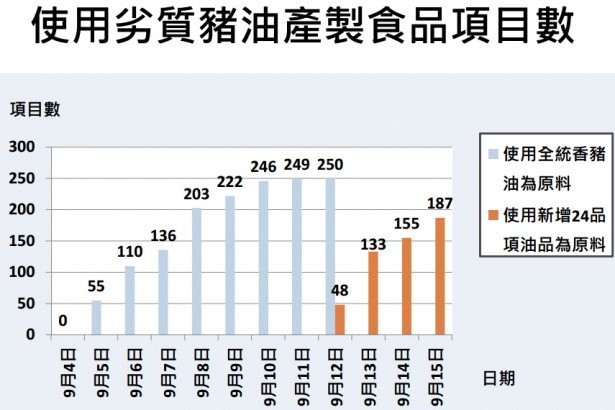
It should be noted that animal fat is divided into food grade and feed grade. The production requirements and hygiene standards for feed-grade fats and oils differ from those for edible oil, and they must not end up on the dining table. There have also been past incidents of inferior lard entering food processing, so when buying you should stick to legitimate channels and look for the food production license mark, and check whether the packaging is sealed and whether the smell is normal.
For daily consumption, animal fat is suitable in moderate amounts, and long-term single use is not recommended. It is generally considered a safer approach to rotate it with vegetable oils and to control the total daily amount of cooking oil. Animal fat that has already developed a rancid smell or an abnormal color should no longer be eaten, to avoid the health risks brought by rancid fat.
Related Reading