The variety of animals beneficial to humans is diverse, making them great helpers in agricultural ecosystems
Animals beneficial to humans broadly refer to animals that, in agricultural production, the ecological environment, or daily life, can directly or indirectly bring benefits to humans. Some help pollinate crops, some prey on pests, some improve the soil, and others provide products such as honey and silk, making them an indispensable part of maintaining ecological balance.
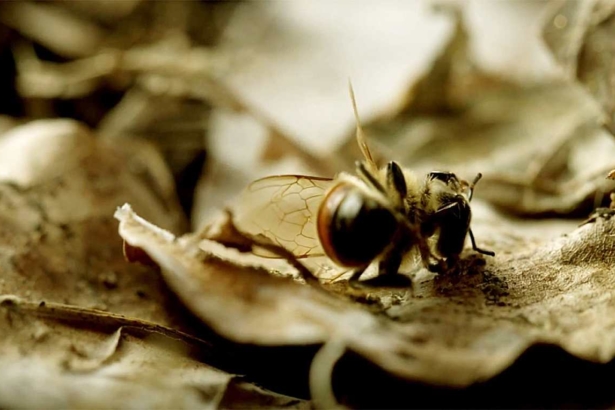
Common beneficial insects include bees, seven-spot ladybugs (Coccinella septempunctata), mantises, parasitic wasps, and earthworms. While gathering nectar, bees pollinate fruit trees and field crops, which is tied to fruit yield and quality; ladybugs and mantises feed on pests such as aphids and are natural pest-control experts in the field; earthworms burrow through the soil, loosening it and breaking down organic matter, making farmland more fertile. Among beneficial birds, swallows and woodpeckers are good at catching insects, while frogs, toads, and hedgehogs also often take on pest-control duties in farmland.
In agricultural production, people often use these beneficial animals for biological control to reduce the use of chemical pesticides. For example, using predatory mites to control mite damage, and raising ducks and fish in rice paddies to remove weeds and pests, are common practices that incorporate beneficial animals into production management. Such methods help lower production costs and also make the agricultural products safer.
It is worth noting that factors such as pesticide misuse and habitat destruction are threatening the survival of beneficial animals like bees, which in turn affects agricultural ecosystems. Therefore, pesticides should be used scientifically in production, preserving field vegetation and living space for beneficial insects and birds; ordinary people not casually catching animals such as frogs and snakes is likewise a contribution to ecological balance.
Related Reading