Winter Greenhouse Vegetable Watering: Master the Timing, Water Temperature and Water Volume
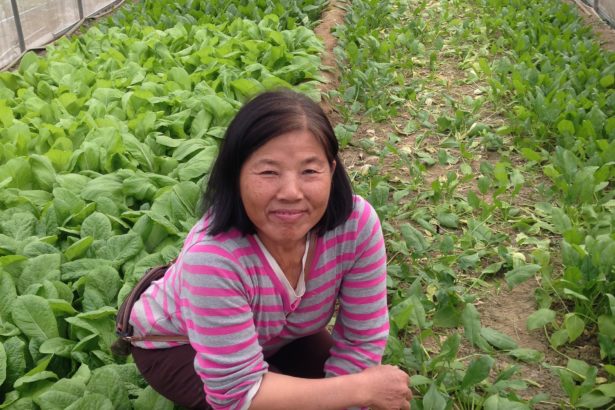
Watering greenhouse vegetables in winter refers to the technical step of managing moisture for vegetables inside a greenhouse under low-temperature and low-light conditions. In winter, the air temperature and soil temperature inside the greenhouse are relatively low, and moisture evaporates slowly. Improper watering can easily cause a sudden drop in soil temperature and excessive humidity inside the greenhouse, which in turn leads to root rot or triggers disease, so this management practice calls for more careful methods than in other seasons. As for watering time, it is best to water in the morning of a stretch of clear days, when the greenhouse temperature is higher, the soil temperature recovers faster after watering, and there is also ample time for ventilation to disperse moisture. Try to avoid watering in the evening or on cloudy, rainy or snowy days, so that excessively high humidity at night does not affect vegetable growth. As for water temperature, it is recommended to use deep well water, or water that has been stored inside the greenhouse for some time and is close to the greenhouse temperature, to avoid cold water directly shocking the roots. As for water volume, stick to the principle of small amounts and frequent watering, watering when dry and letting it dry between waterings, and never flood-irrigate. Where conditions allow, water-saving methods such as drip irrigation under plastic film or micro-sprinkling can be used, which not only supply water evenly but also reduce surface evaporation and lower the air humidity inside the greenhouse. After watering, combined with shallow hoeing to loosen the soil, soil aeration can also be improved, helping the roots regain vigor. It should be noted that after watering, appropriate ventilation should be carried out around midday to remove moisture, preventing a high-humidity environment from triggering common diseases such as gray mold. If there are consecutive cloudy days, the watering plan should be controlled or postponed, and when necessary, moisture and nutrients can be supplemented through foliar spraying. Mastering the watering timing, water temperature and water volume well is an important guarantee for the steady growth of greenhouse vegetables in winter.
Related Reading