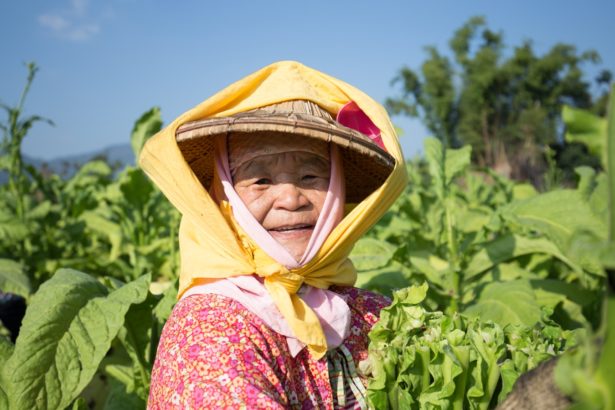
The main production areas of winter melon are distributed in tropical and subtropical regions.
Winter melon is an annual vining herbaceous plant of the genus Benincasa in the Cucurbitaceae family. Its fruit is large, with thick skin that stores well. It is generally considered to have originated in tropical Asia, and it has a very long history of cultivation in southern China and Southeast Asia. Because of its strong heat tolerance and wide adaptability, it is now grown in South China, Taiwan, China, Southeast Asia, India and other places, and it is one of the common melons and gourds seen in summer vegetable markets.
As for the main production areas, China's production areas are concentrated in the warm southern provinces such as Guangdong, Guangxi, Hainan and Fujian. In Taiwan, China, the central and southern counties and cities are the main cultivation areas, and the production season mostly falls in summer. Because climatic conditions vary from place to place, the winter melons produced also differ slightly in fruit shape, skin color and taste, with common types including green-skinned winter melon and powdery-skinned winter melon.
In terms of the growing environment, winter melon likes warmth and fears cold. Both germination and fruiting require relatively high temperatures, and during the growing period it needs ample sunlight and a fairly long frost-free period. Sandy loam with good drainage and rich organic matter is best for the soil. The fruit development period requires a relatively large amount of water, so production areas mostly choose fields with convenient irrigation for cultivation, to facilitate fruit expansion and quality formation.
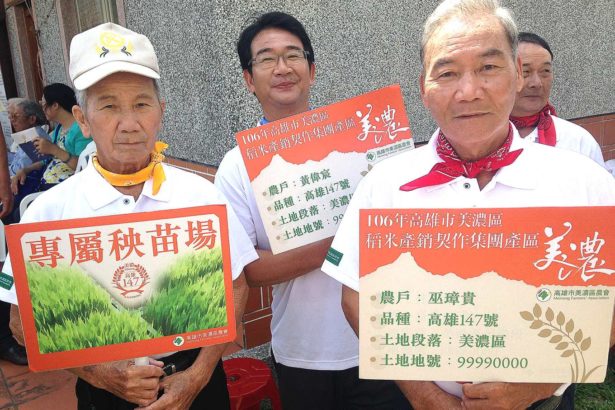
Winter melon fruit is large and tolerant of storage and transport. Besides home-style ways of eating it such as making soup or stir-frying, it is also often processed into specialty products such as winter melon tea and winter melon candy, making it a fairly representative agricultural product in many production areas. In recent years, the concepts of local production for local consumption and direct purchase from production areas have gradually risen. Through traceability records or production area labels, consumers can more easily buy seasonal, fresh products with a clear source.
Related Reading