Detailed Explanation of Free-Range Chicken Farming Techniques and Free-Range Management Key Points
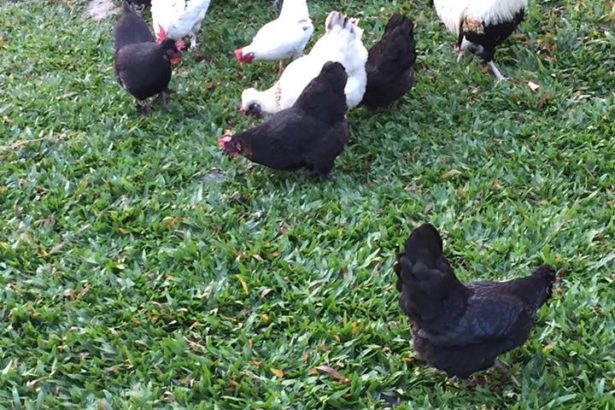
Free-range chicken farming is a free-range model based mainly on local native chicken breeds, in which the flock forages freely during the day in woodland, orchards or on hillsides for green grass, grass seeds and insects, and is then supplementarily fed corn, grains and other feed in the morning and evening. Because of their high activity levels and diverse food sources, free-range chickens have firm, flavorful meat and are often more popular with consumers on the market than ordinary confined meat chickens.
Most of the free-range chicken breeds suitable for farming are local chicken breeds from various regions, such as the common Sanhuang chicken, Luhua chicken, and Ma chicken; the specific choice can be made according to local climate and consumption habits. These chickens are generally tolerant of coarse feed and have strong disease resistance and adaptability, but their growth rate is slower, and the rearing cycle usually takes several months, so the feed and management costs involved need to be planned for in advance.
The farming site should be chosen in a place far from pollution sources with good drainage, and a simple chicken coop should be built for the flock to roost in at night and shelter from wind and rain. During the brooding stage, attention should be paid to keeping warm and managing drinking water and the start of feeding; after leaving the brooding temperature, the flock should gradually be trained to go out and forage. In daily management, vaccinations should be given on schedule, cleaning and disinfection should be carried out regularly, and natural enemies such as weasels and birds of prey should be guarded against; during the rainy season, attention should also be paid to moisture prevention and disease prevention.
The investment in free-range chicken farming is relatively flexible; it can be done as small-scale household free-range raising, or combined with orchards and woodland to form an ecological cycle, and returning chicken manure to the fields can also reduce the use of chemical fertilizers. It should be noted that the free-range stocking density should not be too high, otherwise it is easy to damage vegetation and increase the risk of disease; before entering the business, one should also first understand local market demand for live chickens or eggs, and expand the scale steadily according to one's means.
Related Reading