Sorbaria sorbifolia is a shade-tolerant, cold-hardy flowering shrub that is not difficult to care for
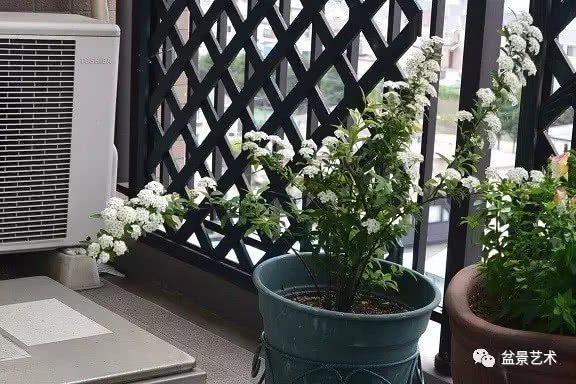
Sorbaria sorbifolia is a deciduous shrub in the genus Sorbaria of the rose family (Rosaceae). Its branches grow upright in clumps, and its leaves are pinnately compound, somewhat resembling the leaves of rowan (Sorbus). It usually produces dense white conical panicles in summer; the buds are round and plump, like strings of small pearls, and when fully open they look like piled snow. This is how it got the name "pearl plum" (Sorbaria sorbifolia). Because its blooming period falls in summer when few flowers are out, it has become a very popular flowering shrub.
Sorbaria sorbifolia is widely distributed in northern China and is very common in the Northeast and North China regions. It is both cold-hardy and shade-tolerant, and is not fussy about soil. It grows best in moist, fertile, well-drained locations, and is often planted in shaded courtyard corners, along walls, beside roads, or at the edge of woods to fill in spots that lack flowers in summer. Other commonly cultivated species in the same genus include Sorbaria kirilowii and Sorbaria arborea, which are similar in form and are all valued mainly for their strings of white flowers.
Caring for Sorbaria sorbifolia is not much trouble. For garden planting, choose a spot in partial shade to full sun that does not accumulate water. Keep the soil moist during the growing season, and ensure good drainage during the rainy season, as prolonged waterlogging can easily cause root rot. After flowering, promptly cut off the spent flower panicles to reduce nutrient consumption; in winter or early spring, thin out old branches, dead branches, and overly dense branches to encourage new growth, which will make next year's bloom even more abundant. It is mostly propagated by division and cuttings, both of which are fairly easy to do.
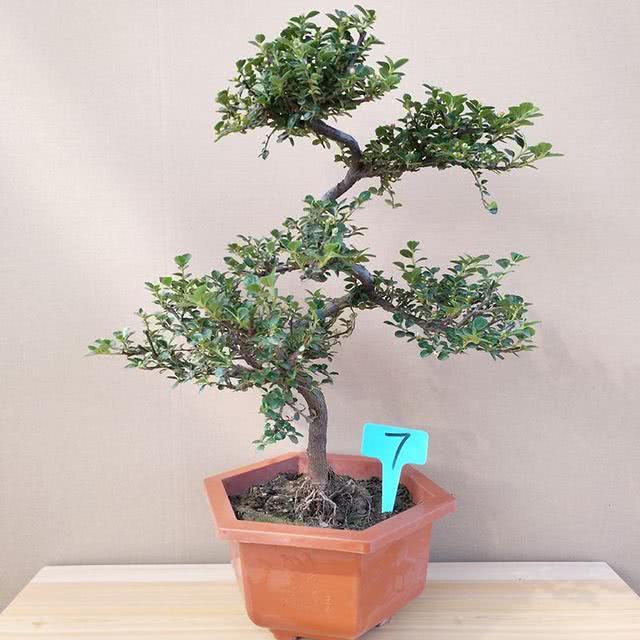
For container growing or making bonsai, use loose, airy potting soil, control watering, apply light fertilizer frequently, and maintain the plant's shape through pinching and pruning. In hot, humid summer weather with poor ventilation, it is prone to aphids; if you spot them, spray promptly to control them, and increasing ventilation in normal times can also reduce pest problems. As long as water and fertilizer are appropriate and pruning is timely, Sorbaria sorbifolia will bloom abundantly and beautifully year after year.