An Introduction to the Plant Characteristics of Derris and Its Insecticidal Application Value
Derris is the collective name for climbing plants of the genus Derris in the legume family (Fabaceae), mostly climbing shrubs, widely distributed in tropical and subtropical regions, and also fairly common along the southern coast of China. Its leaves are pinnately compound, usually with only a small number of leaflets, and when it blooms it puts out strings of small pale red or purplish-red flowers, with the vines looking naturally delicate and graceful.
The most striking feature of this type of plant is that its roots contain compounds such as rotenone. Rotenone has a strong toxic effect on insects and fish, and long ago people made use of this property by crushing derris to catch fish or eliminate pests. In modern botanical pesticides, preparations such as derris powder and derris extract are likewise made mainly from the roots of derris.
In terms of application, derris is one of the important sources of natural botanical insecticides, with a certain control effect on many agricultural pests such as aphids and cabbage caterpillars, and it breaks down relatively easily in the environment, placing less of a burden on the environment. It should be noted that derris is highly toxic to fish and aquatic organisms, so when using it, avoid applying it near water bodies to prevent the liquid from flowing into fish ponds or rivers and ditches.
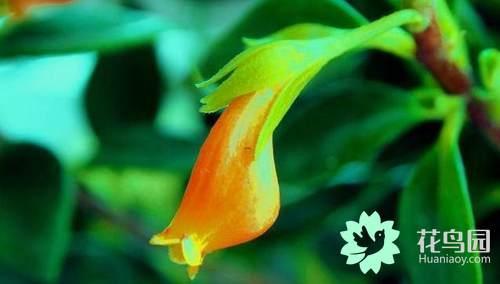
Another reminder: derris is not the same type of plant as the commonly seen ornamental plant goldfish plant. The goldfish plant is a perennial herb in the Gesneriaceae family, often grown as a potted ornamental, named for its flowers that resemble little goldfish; derris, by contrast, is a legume vine, mainly used for insecticidal purposes. The two differ noticeably in morphology, habits and uses, so do not confuse them when learning about or purchasing them.
Related Reading