An Introduction to the Characteristics of Dalbergia hancei and Its Bonsai Care Methods
Dalbergia hancei is a woody climbing plant in the legume family, genus Dalbergia. It is mainly distributed in the warm regions of southern China, commonly found in hillside thickets, forest margins or beside streams. Its branches are slender and flexible, able to twine around other objects and climb upward, and its old trunks are gnarled and rugged, so it is often used to make bonsai.
The leaves of Dalbergia hancei are pinnately compound, with small leaflets, and it has a distinct deciduous habit. When it blooms, the flowers are delicately colored, strung along the branches, and quite ornamental. The bark of the branches and trunk is relatively dark in color, gradually taking on an aged look as the years pass, which is also why it is favored by bonsai enthusiasts.
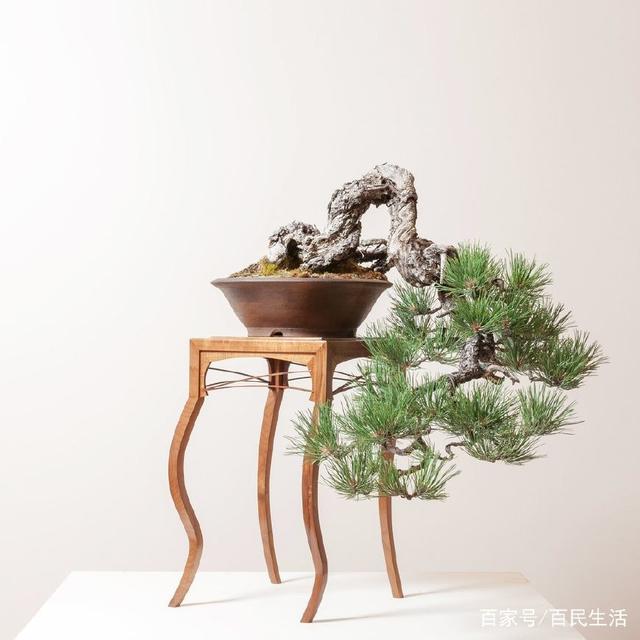
In bonsai creation, Dalbergia hancei is often styled into forms such as curved trunk, cascade and semi-cascade. Its branches are flexible and easy to wire, and with pruning it can be shaped into winding, twisting lines; once formed, it combines the agility of a vine with the ruggedness of a tree, in a simple and natural style.
For care, Dalbergia hancei prefers a sunny, well-ventilated environment, and should be placed in a sunny spot as much as possible, avoiding long periods of shade that cause weak, spindly branches. Watering can follow the principle of not watering until dry, and watering thoroughly when you do; during the growing season, supplement appropriately with dilute liquid fertilizer, and promptly prune overly dense branches and leggy growth to keep the plant's shape neat.
It should be noted that its cold tolerance is limited, so in winter it is best moved indoors for warmth and watered less. If yellowing and dropping of leaves occur, it is mostly related to waterlogging, lack of light or sudden temperature changes; once the problem is identified and adjusted in time, the plant can generally recover gradually.
Related Reading