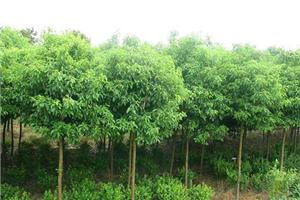
Planting Methods and Care Management Key Points for Borneol Cinnamomum camphora Saplings
Borneol Cinnamomum camphora saplings are the young seedlings of borneol Cinnamomum camphora, a plant in the family Lauraceae and genus Cinnamomum. Borneol Cinnamomum camphora is a superior type selected and bred from ordinary Cinnamomum camphora resources; its branches and leaves contain a relatively high proportion of dextroborneol, commonly known as natural borneol. These saplings serve both as landscaping nursery stock and as an important economic forest tree species, and in recent years they have been widely cultivated in many suitable areas.
In terms of characteristics, borneol Cinnamomum camphora saplings grow relatively quickly, with a tree shape similar to that of ordinary camphor trees, and their leaves carry a distinct camphor aroma. They have strong adaptability and prefer a warm, humid climate. Their soil requirements are not particularly strict, but they grow better in deep, well-drained acidic or slightly acidic soil. At the seedling stage, their cold tolerance is limited, so local climatic conditions must be carefully assessed when planting in cold regions.
For planting, transplanting is generally scheduled before spring bud break or in late autumn, and when lifting the seedlings, a soil ball should be kept as much as possible to reduce root damage. Before planting, decomposed organic fertilizer can be applied in the hole as a base fertilizer; after planting, water thoroughly to settle the roots, and during the recovery period pay attention to shading and moisture retention. In routine management, water, weed and top-dress in a timely manner. During the young tree stage, appropriate pruning can promote crown formation and lay a good foundation for later harvesting.
In terms of application value, once borneol Cinnamomum camphora stands are established, the branches and leaves are mainly harvested for extracting natural borneol, which involves multiple fields such as medicine and daily chemicals. The tree itself can also serve as a street tree or courtyard landscaping tree, combining ecological and economic benefits. When purchasing saplings, choose robust nursery stock with well-developed roots and no pests or diseases, and consult a reputable nursery about the variety source and local suitability so as to improve the planting survival rate.