5 Vegetables You Should Least Eat in Hot Pot and the Reasons Why
Hot pot is a favorite way for many people to gather and eat, but not every vegetable is suited to being cooked in the pot. Some vegetables lose their texture and nutrients after being boiled, some affect the flavor of the broth, and some may pose hygiene risks if not handled properly. Understanding these characteristics makes it easier to choose and pair ingredients with confidence.
There are roughly five categories of vegetables that are less suitable for hot pot cooking. Crisp, tender vegetables suited to being eaten raw or in cold dishes, such as cucumber and lettuce, go soft and release water as soon as they are heated, losing all their flavor. Starchy tubers such as potatoes and sweet potatoes easily cloud the broth and stick to the bottom when cooked for a long time, affecting the texture of the whole pot. Flower-head vegetables such as broccoli and cauliflower have many crevices, are hard to wash clean, and impurities can easily mix into the broth during cooking.
In addition, green leafy vegetables such as spinach and amaranth turn yellow and taste astringent when cooked for a long time, and they easily absorb oil and spiciness, so they are only suitable for a quick dip and immediate eating. For soaked ingredients such as wood ear mushrooms, if they are soaked for too long, their safety cannot be guaranteed, so you need to confirm they have been soaked properly before putting them in the pot. It should be noted that these vegetables are not inedible; the key lies in how they are eaten. For example, cutting tubers into thin slices and removing leafy greens as soon as they are dipped can avoid most of the problems.
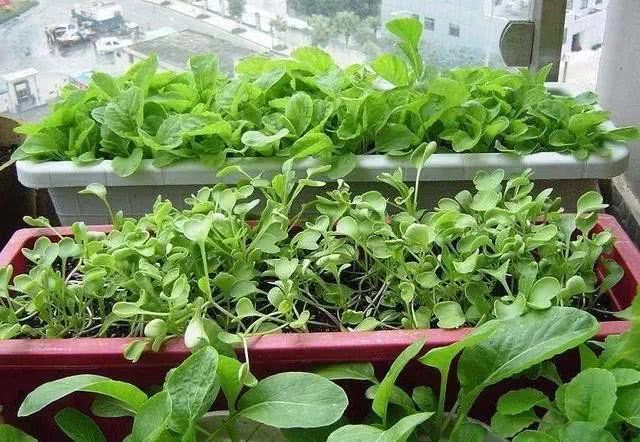
Families who love hot pot can also grow some commonly used hot pot vegetables on a balcony or in a garden, such as baby cabbage, leafy lettuce, and garland chrysanthemum, picking and cooking them right away for freshness and peace of mind. When buying, look for intact leaves with no rot or off smells, wash them thoroughly after bringing them home, and keep raw and cooked items separate during cooking so you can eat with greater confidence.
Related Reading