Ornamental Characteristics and Care Methods of Zining Orchid Varieties
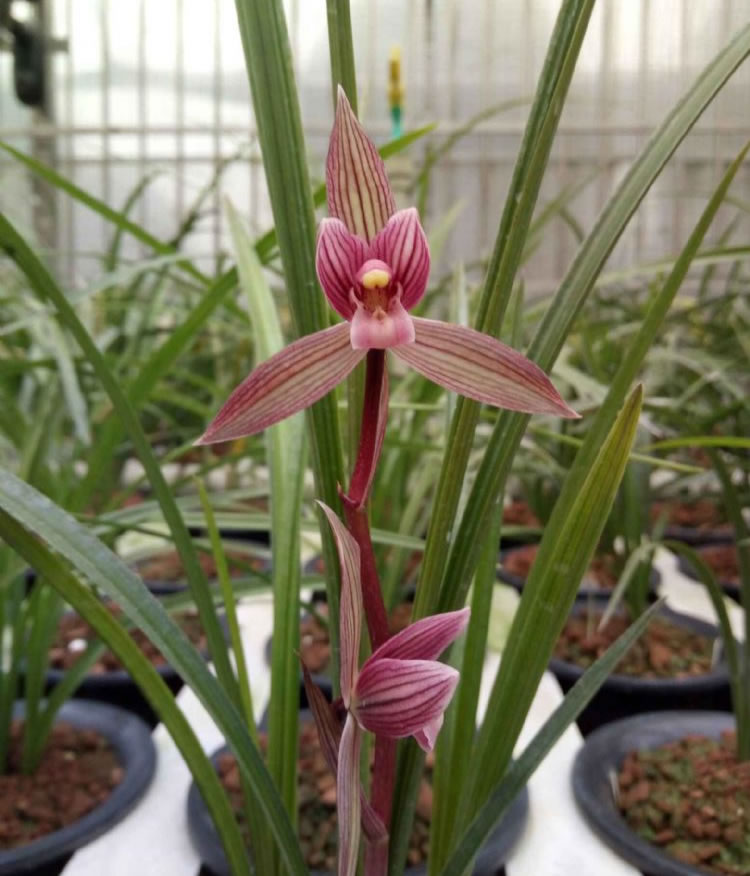
Zining is the name of a horticultural variety among Chinese orchids, generally referring to orchid lines whose flower color or leaf color carries a rich, condensed purple tone. Such names are mostly coined by orchid growers based on the color expression of the plant: the character "zi" (purple) points to the main hue, while "ning" describes a color that is deep and understated, with a texture like congealed fat, giving an overall impression of quiet elegance.
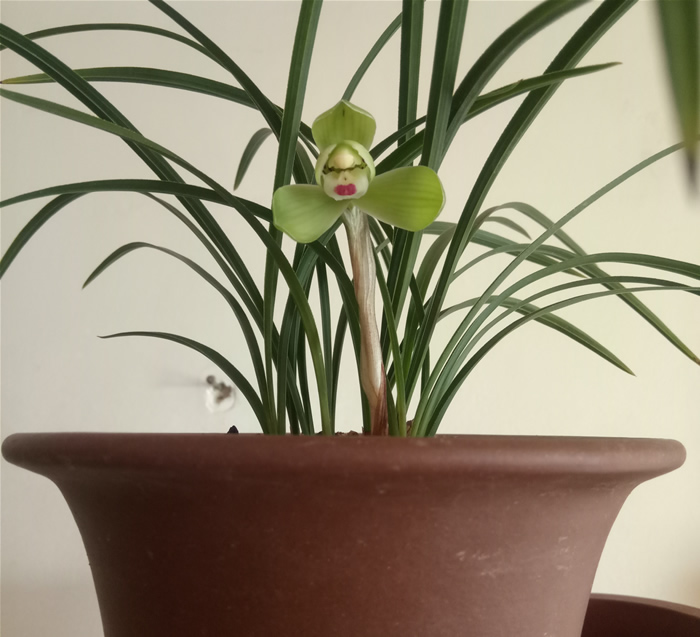
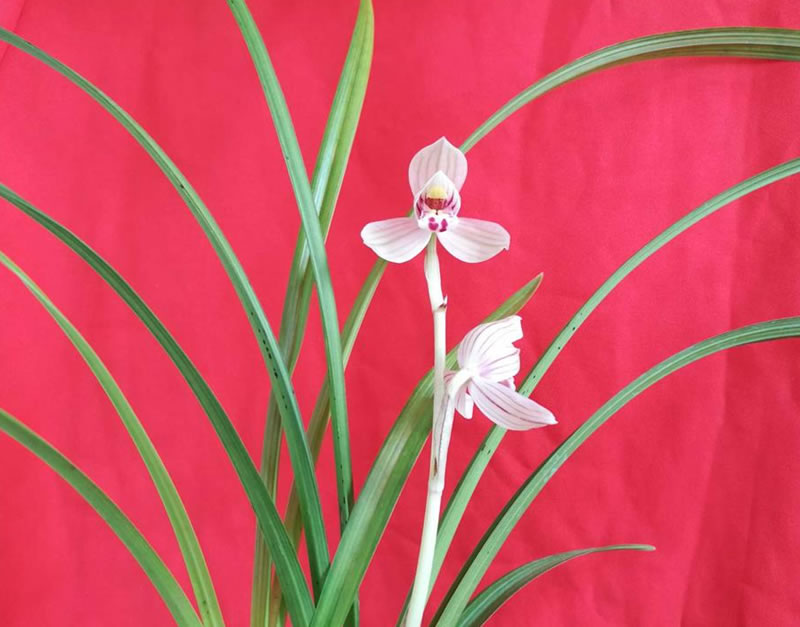
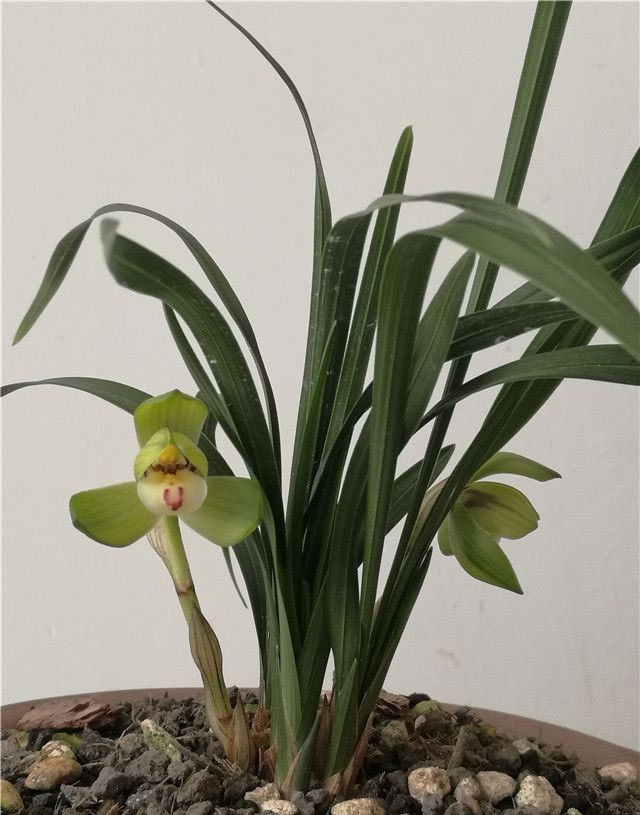
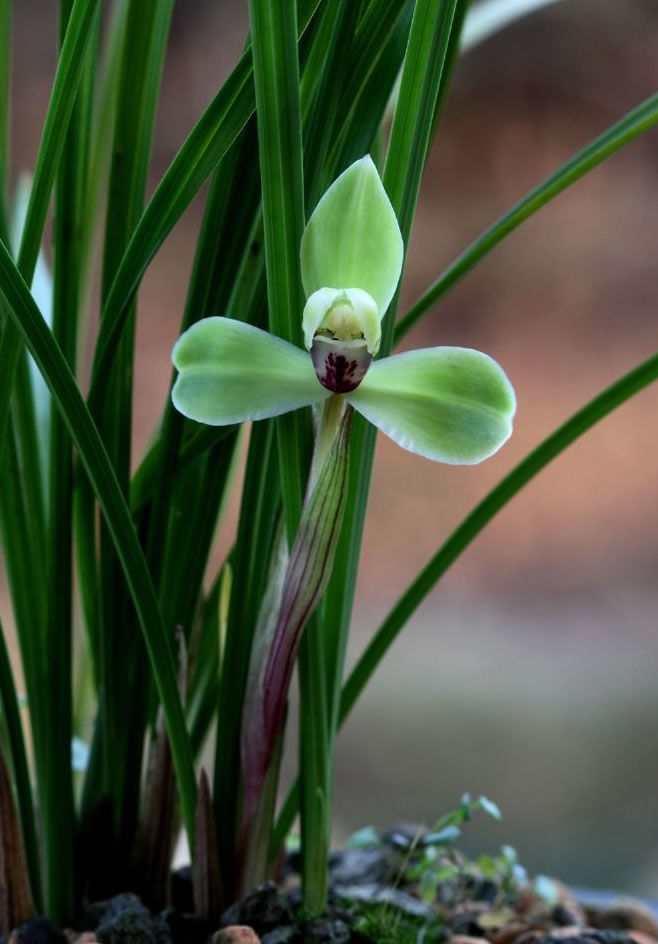
In terms of ornamental value, purple-toned orchids are relatively rare among traditional Chinese orchids, and are therefore especially noticed. The flower color of Zining-type varieties often varies in depth with differences in light, temperature and potting medium environment; when the temperature difference is large or the light is suitable, the color may be more intense, while during the high-temperature period in summer it tends to be paler. Besides flower color, plant form, leaf posture and petal texture are equally important aspects in judging quality.
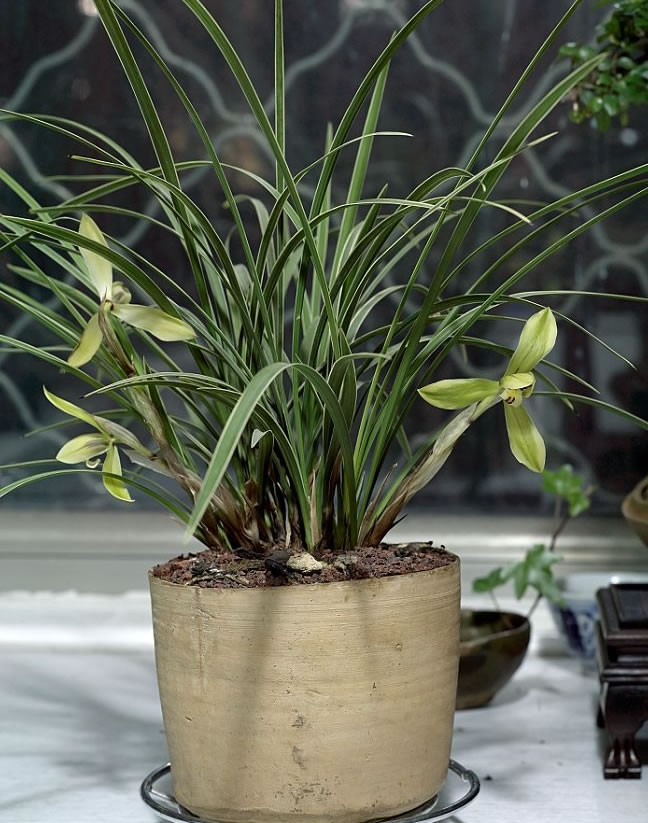
As for care, Zining has basically the same requirements as other Chinese orchids, with the key being ventilation and drainage. The potting medium should be a granular, breathable, well-draining material; cleaning and secondary treatment before use can reduce the risk of pathogens and insect eggs. Watering should follow the principle of watering when dry and letting it dry between waterings; better slightly dry than overly wet. Orchid growers often say that watering takes three years of skill, which shows that mastering the right measure requires long-term observation and accumulation. Bright, indirect scattered light is preferable, and direct scorching sun should be avoided.
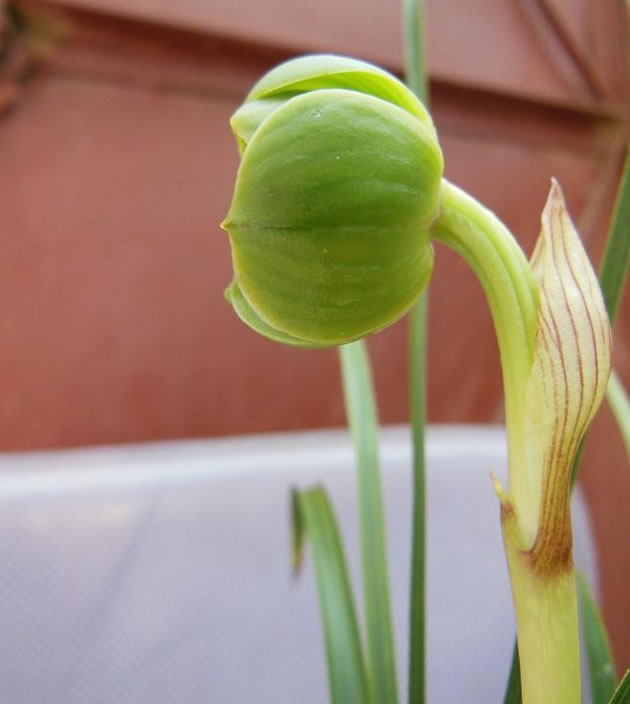
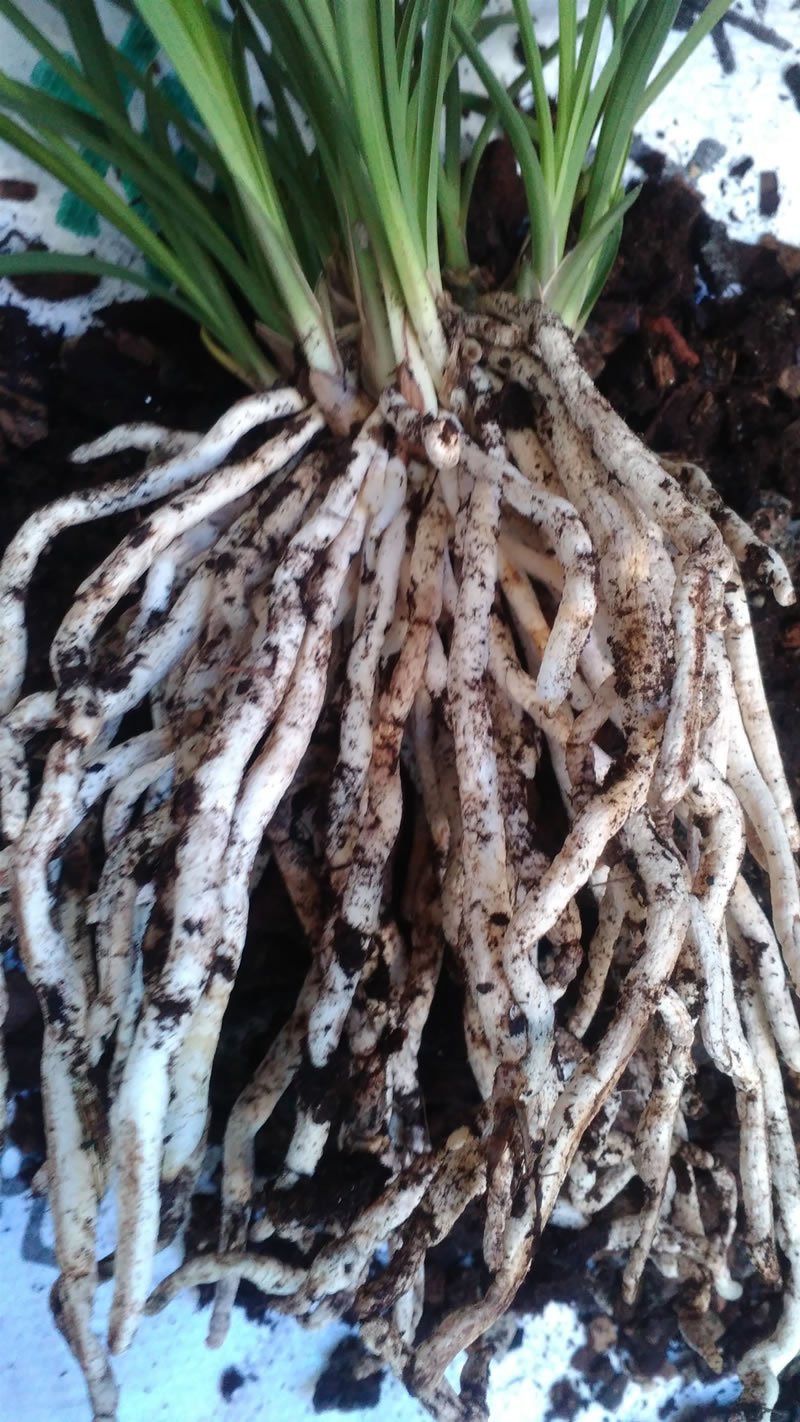
In daily management, attention must also be paid to common problems such as scorched leaf tips and weak new shoots, which are mostly related to excessively low air humidity, fertilizer burn or suffocated roots. When introducing plants, it is advisable to choose specimens with strong roots and intact leaves, and to confirm the variety based on the actual performance when in bloom, avoiding drawing conclusions lightly based only on the name or the appearance of the seedling.
Related Reading