Automatic watering keeps potted plants' moisture stable, but you need to understand the methods and precautions
Automatic watering refers to a management method in which devices such as timers, drip irrigation tubing, absorbent cotton wicks, or smart watering cans are used to replenish water for plants as needed. It can keep potting soil or growing medium moderately moist without anyone on site, and is often used in home flower growing, balcony potted plants, and greenhouse seedling raising.
Common forms include timed drip irrigation, capillary seepage, and bottom-watering pots. Drip irrigation delivers water slowly to the roots through thin tubes, while seepage relies on cotton wicks or the capillary action of the medium to supply water continuously. These methods make water volume controllable and deliver water evenly, avoiding the problem of too much or too little water that comes with manual watering.
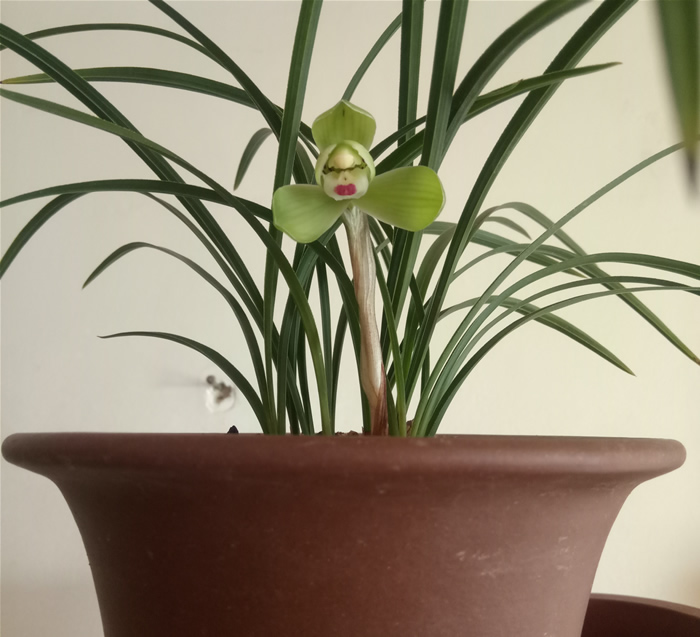
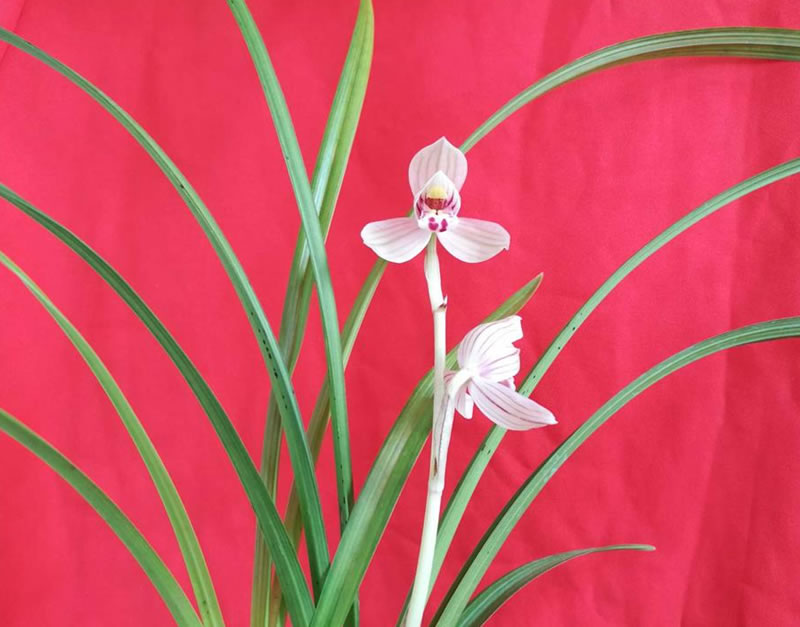
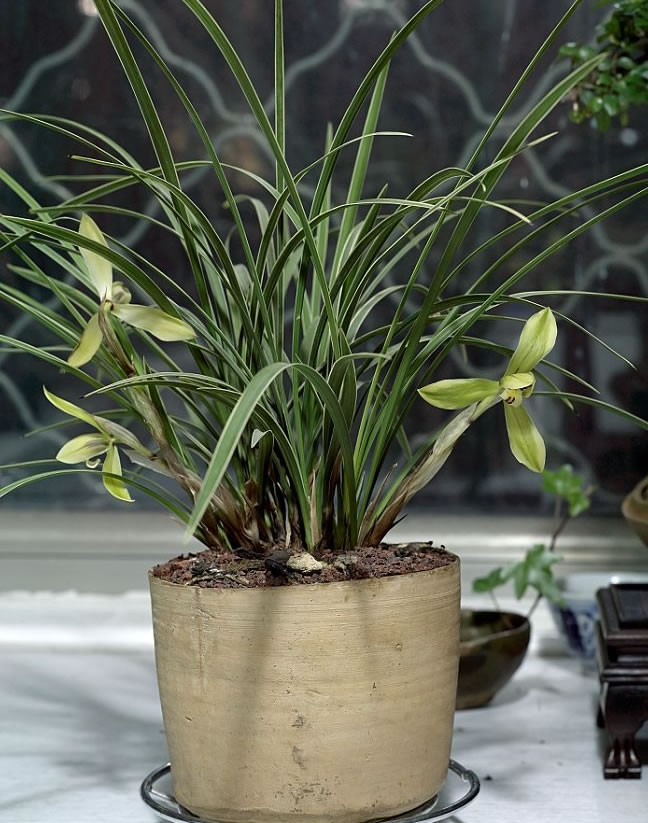
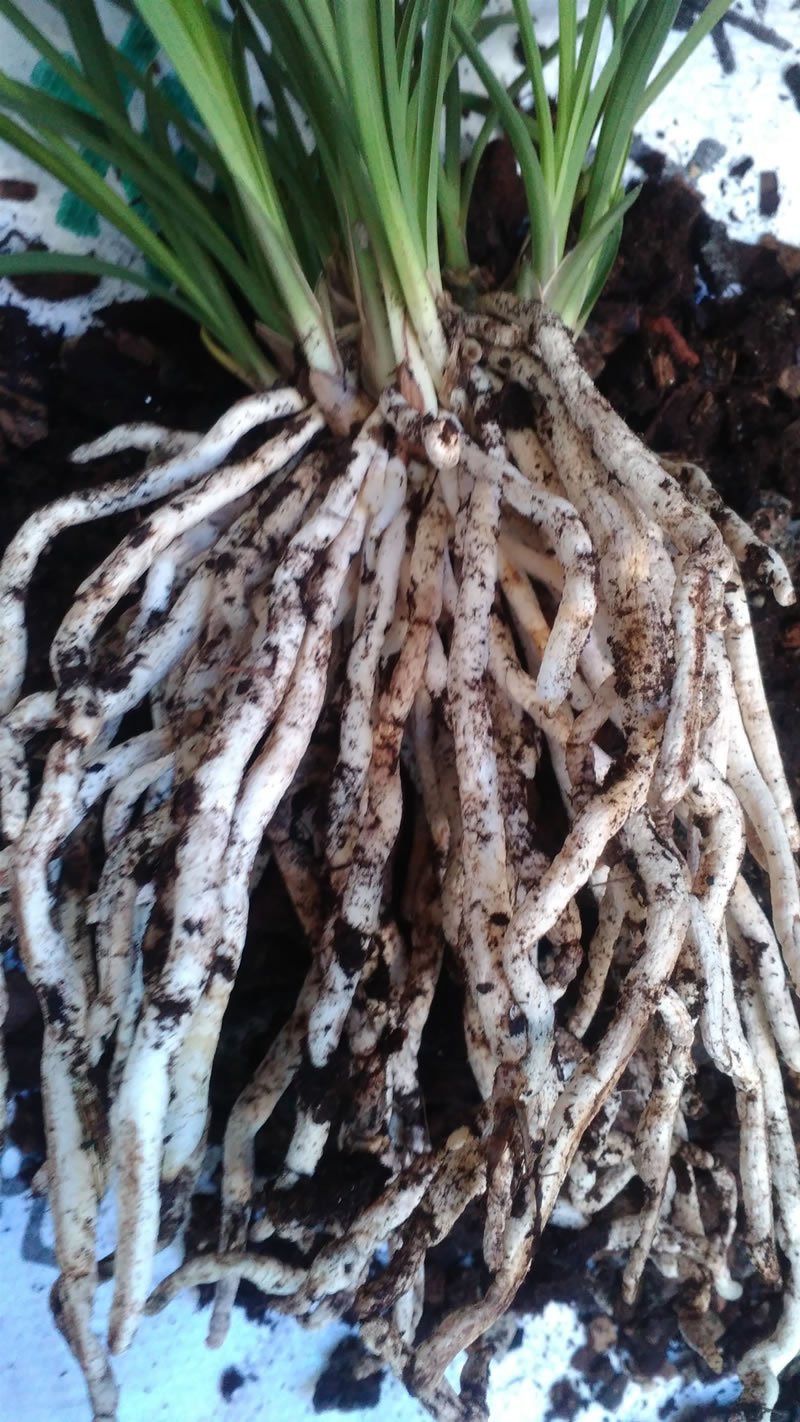
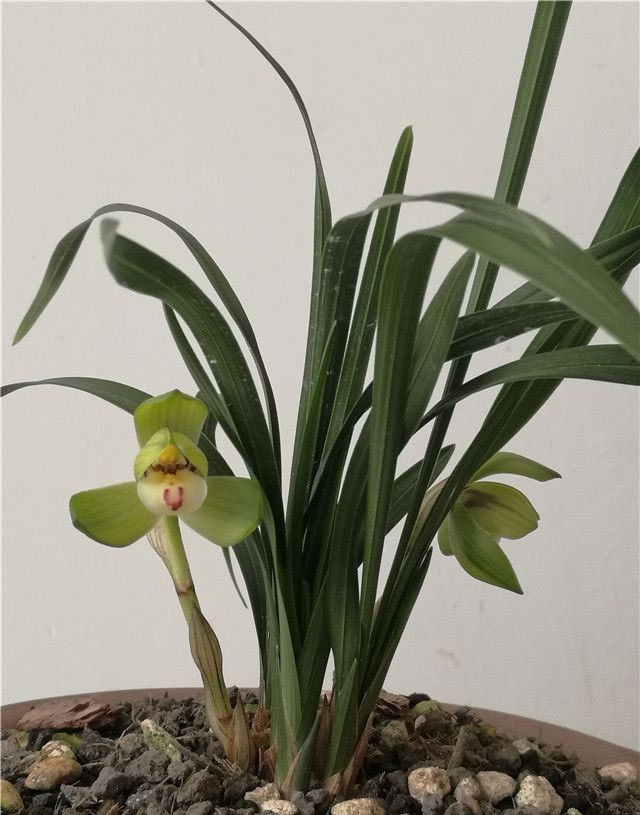
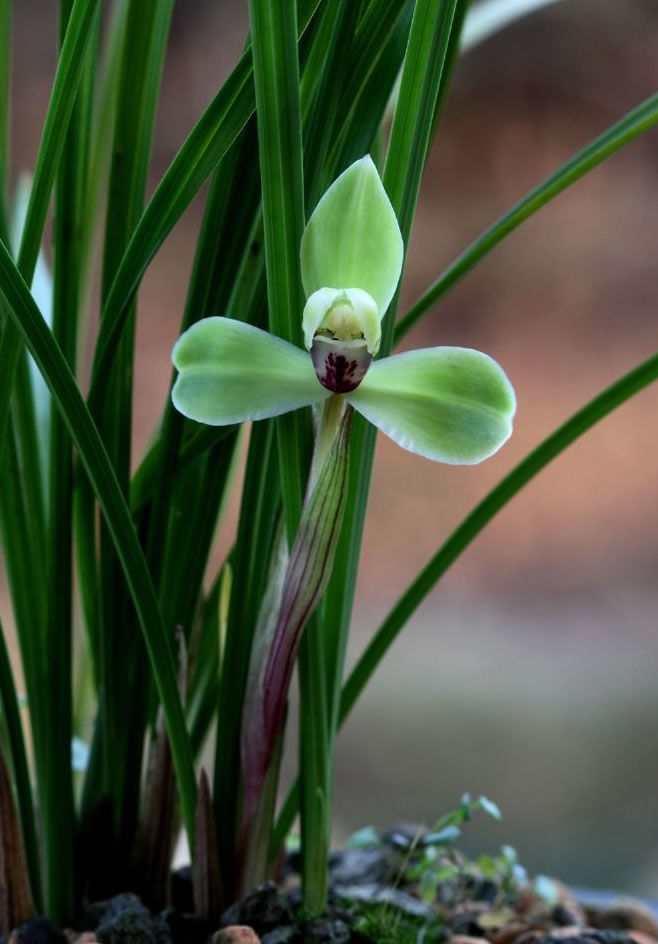
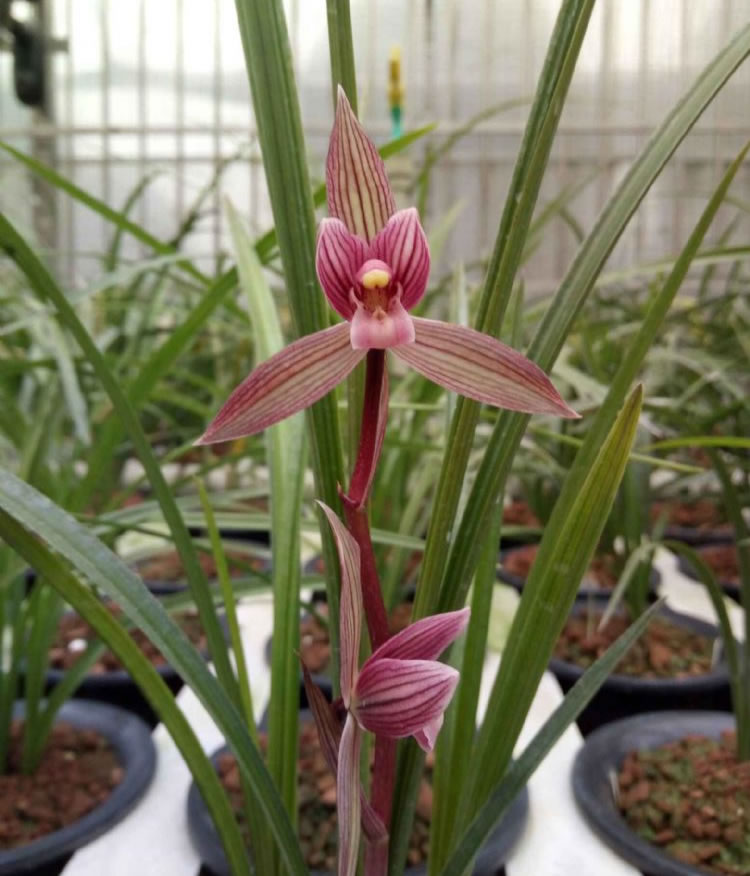
For flower growers who are busy at work or often away from home, automatic watering can solve the difficulty of short-term unattended care. With moisture-sensitive potted flowers such as orchids, a stable moisture environment helps root respiration and reduces the risk of root rot caused by watering too often or waterlogging. However, the equipment can only play a supporting role; in the end, judgment still needs to be based on actual observation.
When using automatic watering devices, the watering frequency and amount should be adjusted according to the season, weather, and plant growth. In seasons with fast evaporation, water should be given somewhat more frequently, while during the plant's dormant period, water should be controlled. Drip heads and cotton wicks need to be checked and cleaned regularly to prevent clogging by mineral scale or failure from aged materials. For first-time use, it is recommended to try it on a small number of potted plants first and, after confirming that the water amount is suitable, gradually extend it to overall care.