Rouge Color Is a Classic Flower Color of Chinese Orchids: Introduction to Common Varieties and Care Essentials
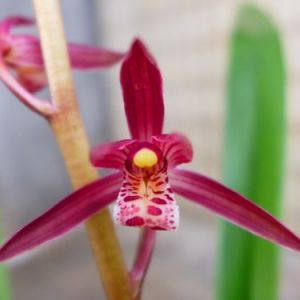
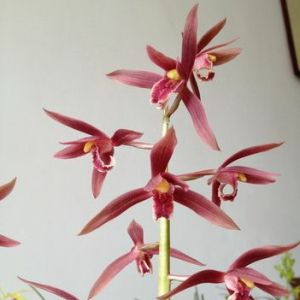
Rouge is a traditional Chinese color name, originally referring to the color of the rouge used by women in ancient times for makeup; it falls between pink and dark red, with a purple tinge within the red, rich and vivid yet still soft. In the appreciation of Chinese orchids, rouge is often used to describe the rosy hue shown on orchid flowers, and it is a popular type within the red color range.
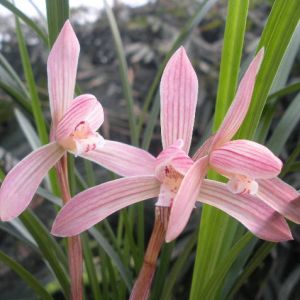
This kind of flower color is often not uniformly pure red throughout; instead, it gradually shades from the base of the petal toward the tip, or is concentrated along the midrib and edges of the petals, with a natural transition between deep and light tones, giving a warm, moist, and elegant look. Light, temperature, and the plant's growth condition all affect the depth of the red expression, and the same variety will differ in color intensity under different environments, which also adds to the pleasure of appreciation and cultivation.
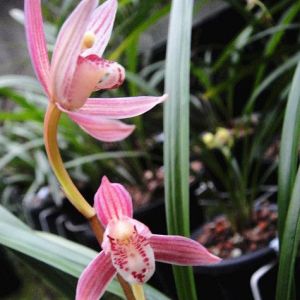
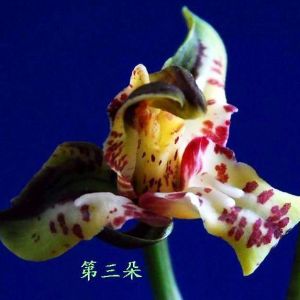
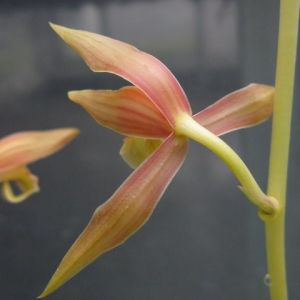
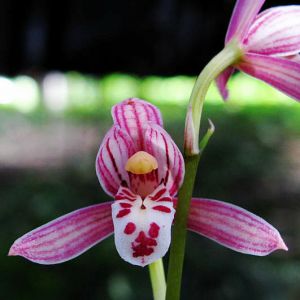
There are quite a few Chinese orchid varieties named after rouge, covering multiple orchid species, such as Nanguo Rouzhi, Rouzhi Mudan, and Yaolin Rouzhi among Cymbidium sinense, Qingjiang Rouzhi among Cymbidium goeringii, and Mingshan Rouzhi and Rouzhi Kou among Cymbidium ensifolium. Some of these varieties are known for their rosy flower color, while others also have notable features in petal shape or leaf variegation, and they are deeply loved by enthusiasts of red-toned orchids.
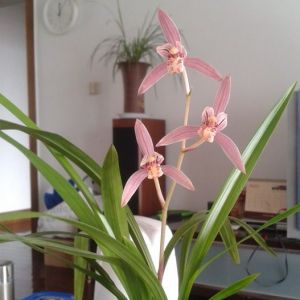
In ornamental use, rouge-colored orchids are festive in color and symbolize prosperity, and they often appear at Lunar New Year flower markets as well as in displays in halls and studies. Daily care is similar to that of other Chinese orchids: it is best to provide ample indirect light, use a loose and breathable growing medium, water so that it dries and then becomes wet, keep the environment ventilated, and a suitable day-night temperature difference helps the flower color become more vivid and full.