Introduction to the Characteristics and Care Methods of the Yuntian Ge Orchid Variety
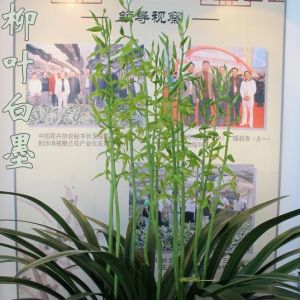
Yuntian Ge is a variety name within the Chinese orchid (guolan) family, and is regarded as one of the famous orchid varieties among enthusiasts. Chinese orchids generally include major groups such as Chunlan (Cymbidium goeringii), Huilan (Cymbidium faberi), Jianlan (Cymbidium ensifolium), Molan (Cymbidium sinense) and Hanlan (Cymbidium kanran), and the name Yuntian Ge appears mostly in orchid variety exchanges and exhibitions. Like varieties such as Rainbow Butterfly Chunlan and Willow-leaf White-ink Molan, it attracts attention mainly for its flower form and fragrance.
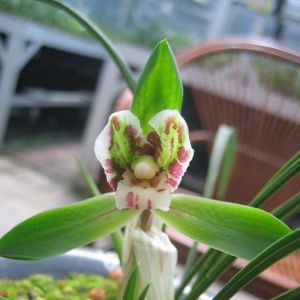
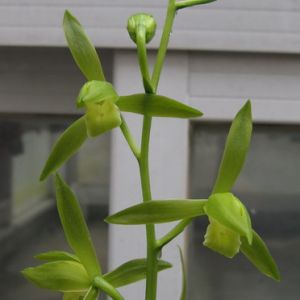
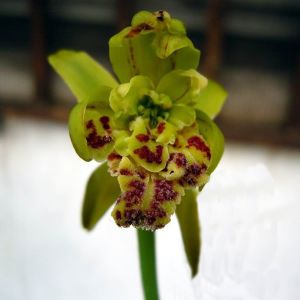
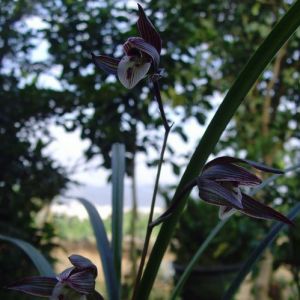
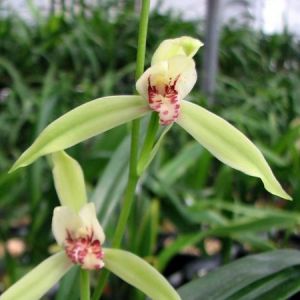
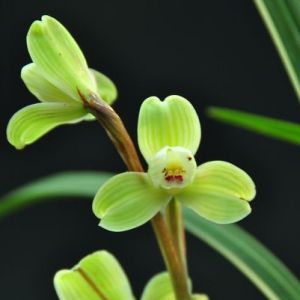
Judging from the common traits of similar Chinese orchid varieties, the Yuntian Ge plant has elegant, flowing leaf posture, with slender leaves that carry a natural curve; when in bloom, the flowers are arranged loosely and the flower color is clear and refined, carrying the subtle fragrance unique to traditional Chinese orchids. It should be noted that different origins and sources may show certain differences in petal type and flower color, so when acquiring plants it is advisable to rely on the actual condition of the plant and reliable channels.
As for care, Yuntian Ge has requirements similar to other Chinese orchids: it likes diffused light and dislikes harsh sun exposure; the potting medium should be loose, breathable and well-draining, commonly mixed from materials such as bark and Kanuma soil; watering should follow the principle of drying out between waterings, avoiding water accumulation in the pot that causes root rot. During the growing season, apply light fertilizer frequently, pay attention to controlling water and fertilizer around the flowering period, and keep the environment well ventilated.
The problems orchid enthusiasts most commonly encounter are mainly failure to bloom and yellowing leaves. Insufficient light, excessive nitrogen fertilizer or too small a day-night temperature difference can all affect flower bud differentiation; overwatering and poor ventilation can easily lead to root rot and disease. With routine shading, water control and regular inspection, the orchid can maintain steady growth and bloom more smoothly.