What "Xiashan Orchids" Mean and Key Points for Selecting and Caring for Them
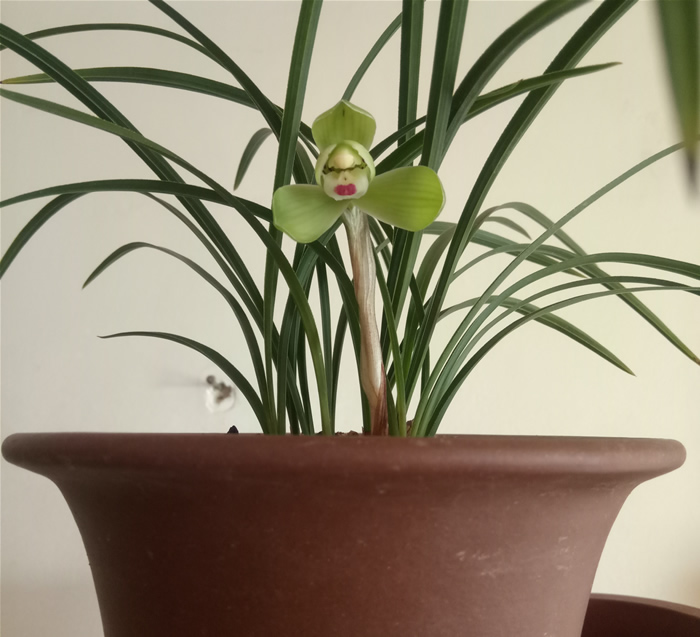
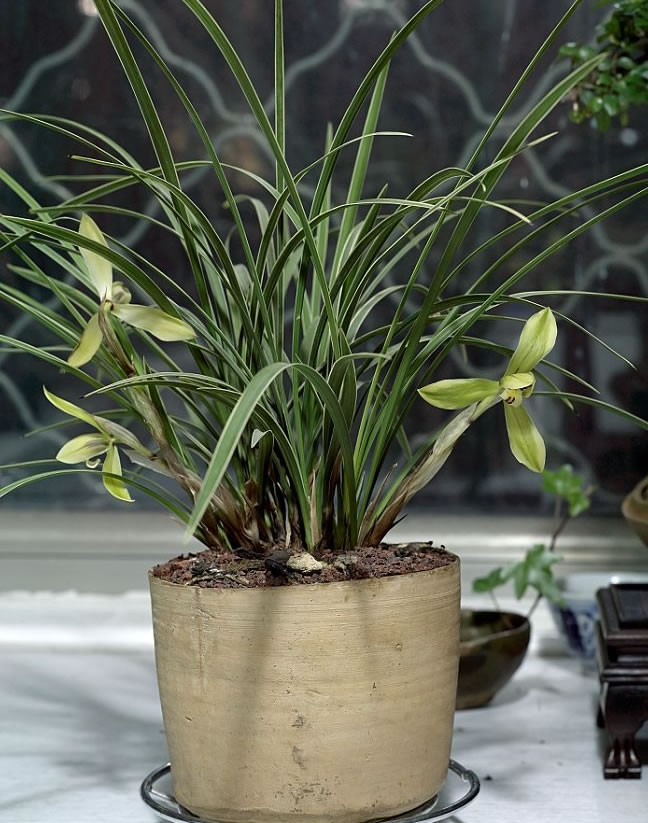
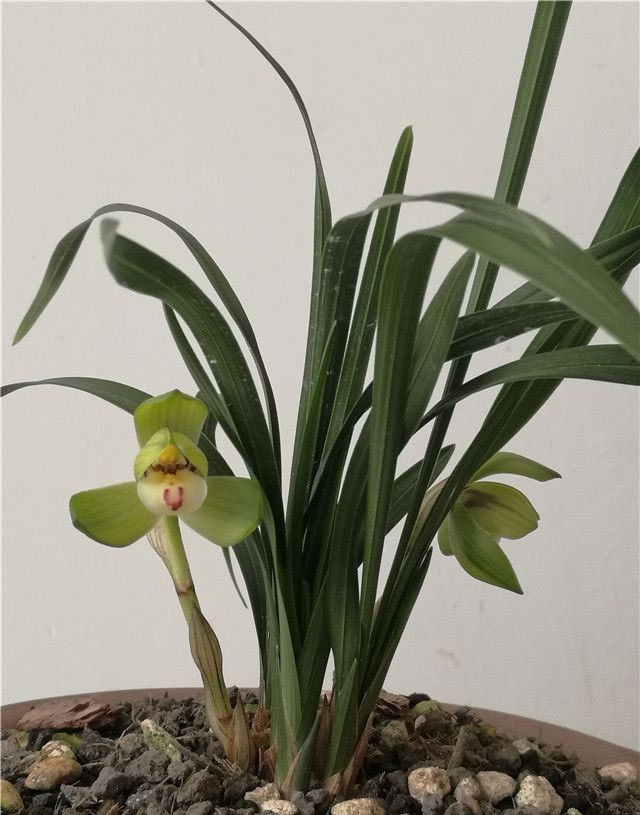
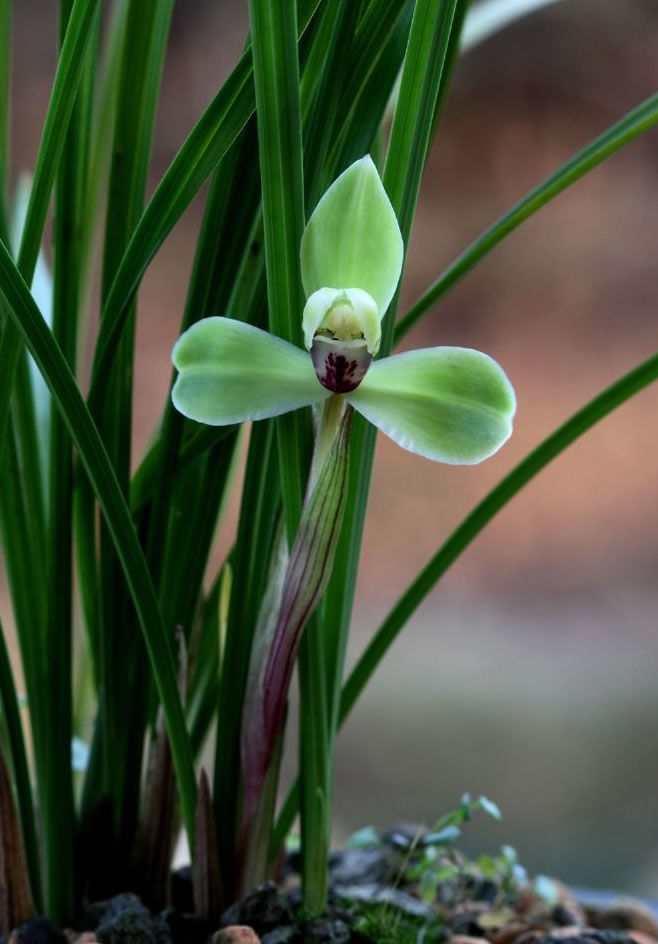
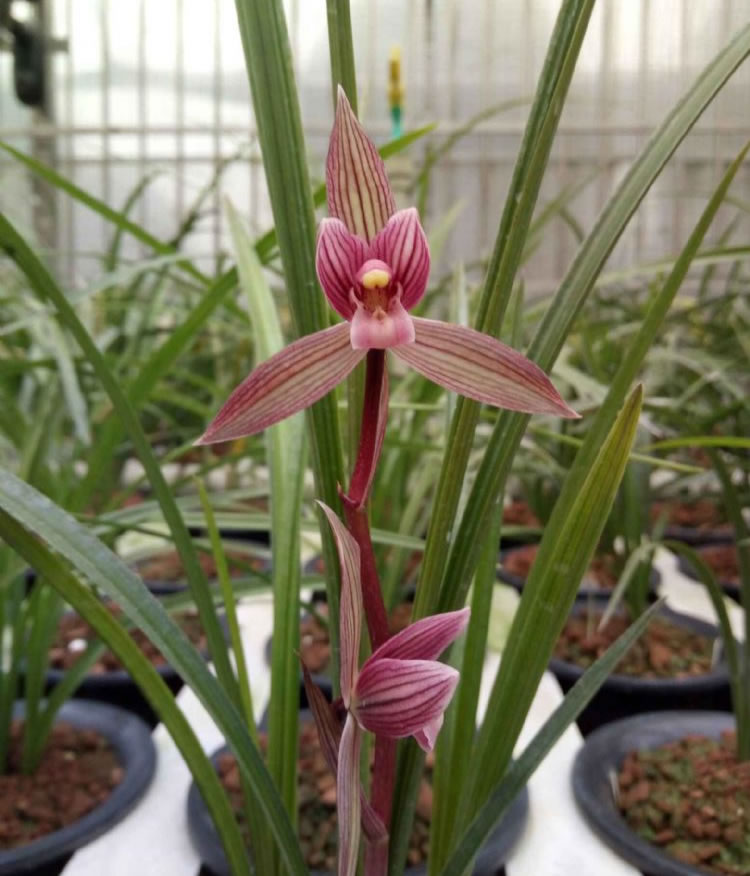
Xiashan orchids, also called xiashan cao or sheng cao, refer to orchid plants dug from mountain forests and not yet subjected to long-term artificial domestication, as opposed to the shu cao that have been grown at home for many years. Common types include Cymbidium goeringii (spring orchid), Cymbidium faberi (Faber's cymbidium), Cymbidium tortisepalum (lianban lan), and Cymbidium ensifolium var. longibracteatum (chunjian), mostly bought by orchid enthusiasts from production areas or obtained by chance.
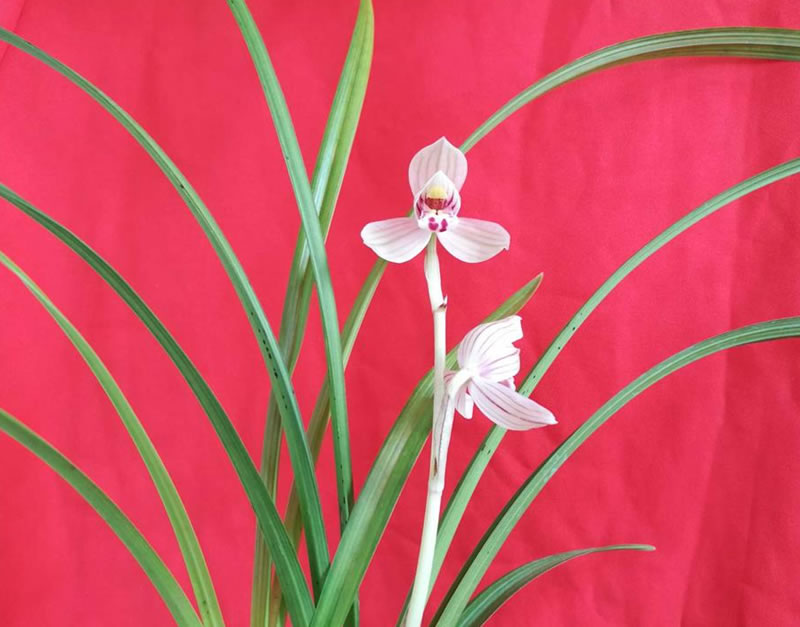
Because they grow in a natural environment, xiashan orchids vary richly in plant shape, leaf posture and flower color, and novel individuals with leaf variegation or petal-type mutations often appear, so they are regarded as an important source for breeding new varieties. However, their root systems are generally rather thin and weak, and damage during lifting and transport is unavoidable; after arriving, their ability to adapt to the environment is also inferior to that of shu cao, and domesticating them to survive takes time and patience.
In caring for xiashan orchids, acclimatization is the first step. After they arrive, it is best to clean away dead roots and decayed leaves, disinfect the wounds, and then pot them in a loose, breathable, clean and impurity-free growing medium; whether the medium is properly treated directly affects later growth. Watering follows the principle of water when dry and withhold when wet; orchid growing has long had the saying that watering takes three years to master, and for xiashan orchids it is even more a matter of preferring dryness over waterlogging, while also paying attention to shading, moisture retention and good ventilation, and avoiding scorching sun and suffocated roots. Do not fertilize before the plant has settled in; only after new roots and new shoots emerge should you gradually shift to normal management.
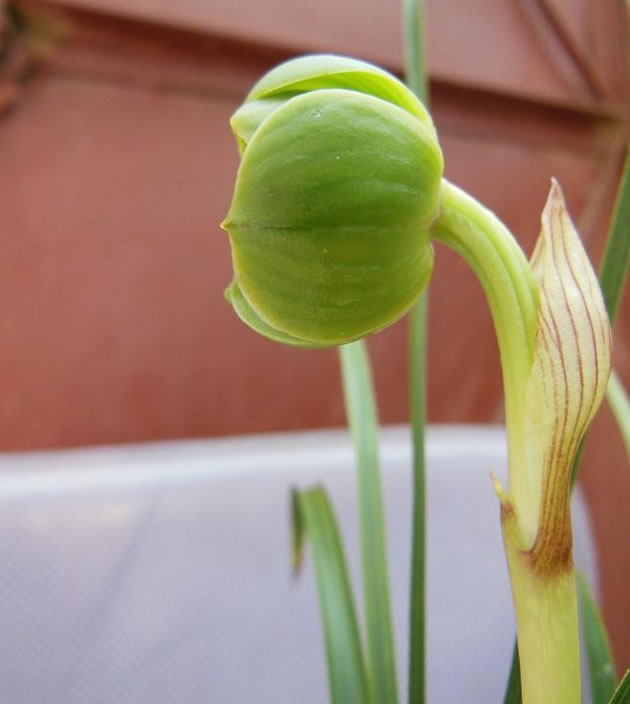
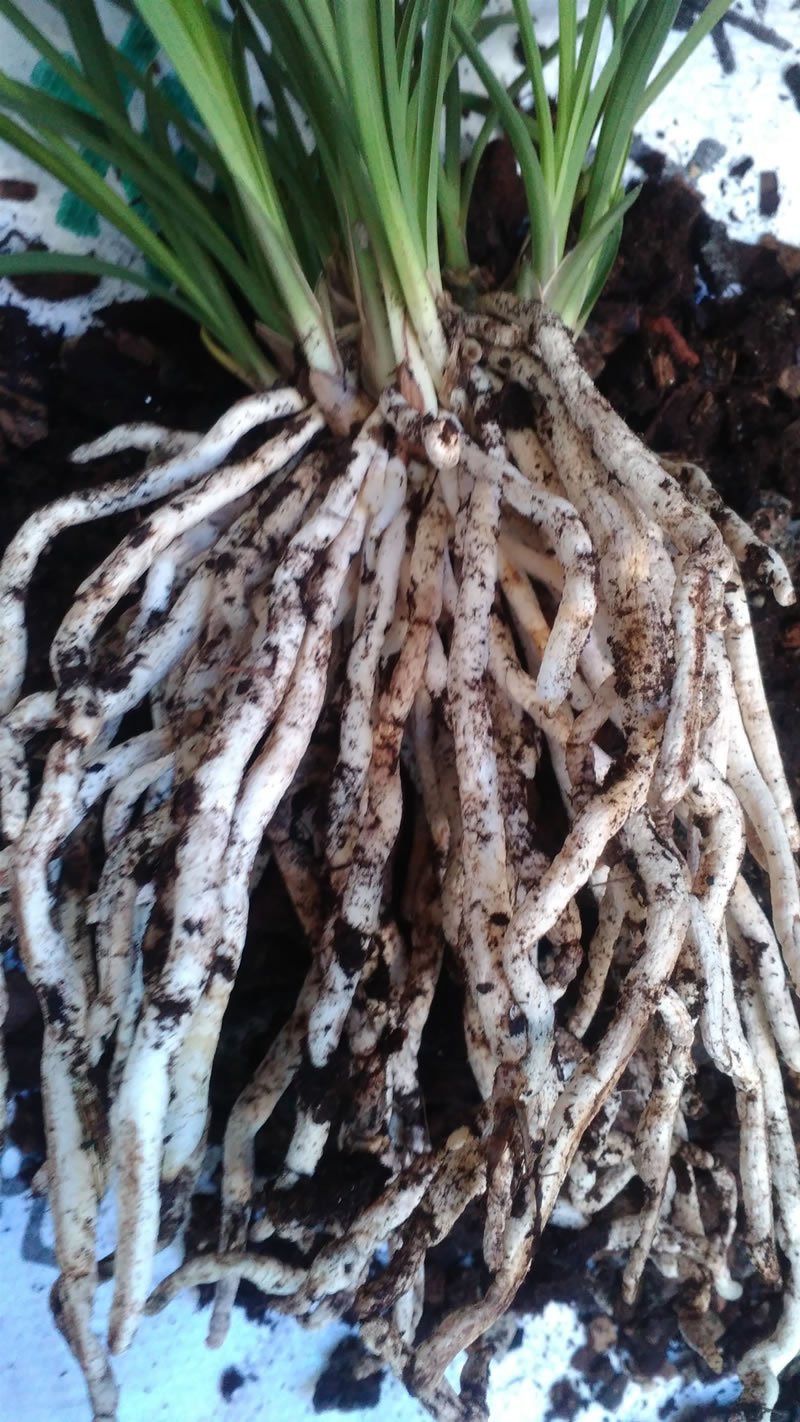
When selecting, focus on the roots, leaves and shoots: those with intact white roots, glossy leaves and plump shoots are more likely to survive, and you should also watch out for artificially forced individuals such as chemically treated orchids and hormone-treated orchids. In addition, it should be noted that wild orchid resources are protected by law, and digging and trading should comply with local regulations; obtaining plants through proper channels is the true way to care for mountain wild resources.