An Introduction to the Characteristics and Care Points of Fragrant Concubine Grass
Fragrant Concubine Grass generally refers to the plant of the orchid horticultural variety Fragrant Concubine. Chinese orchid enthusiasts habitually call orchids orchid grass, and plants with variety names often have the character for grass added as a suffix to their names, so over time this way of naming came about. It stands out for its fragrance and plant form, appears very frequently in home orchid growing and among orchid hobbyist exchanges, and is a variety liked by many beginners in orchid growing.
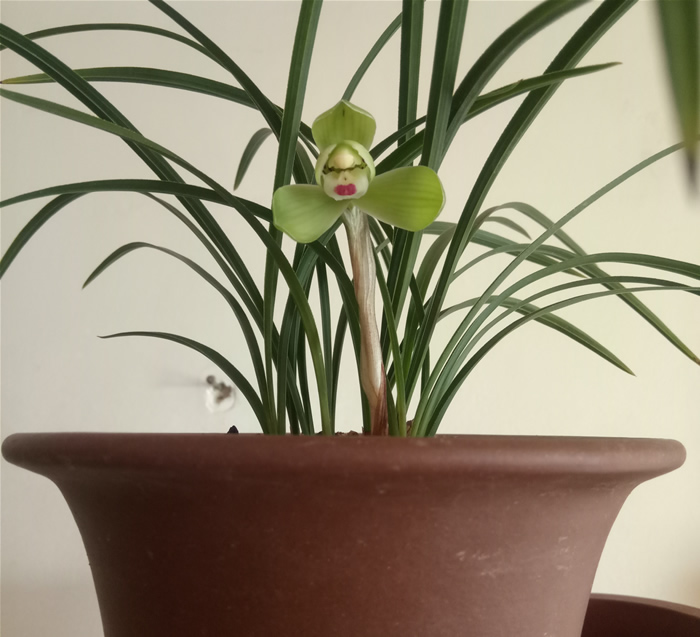
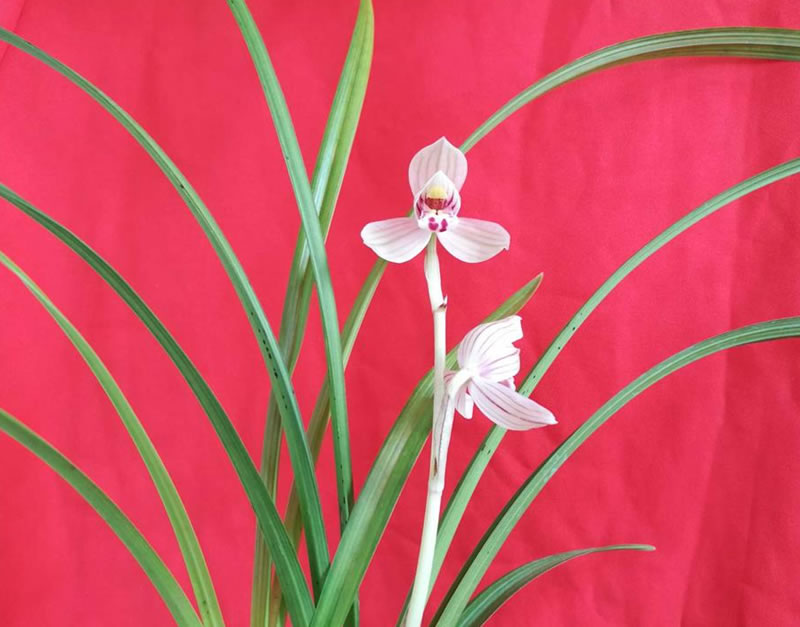
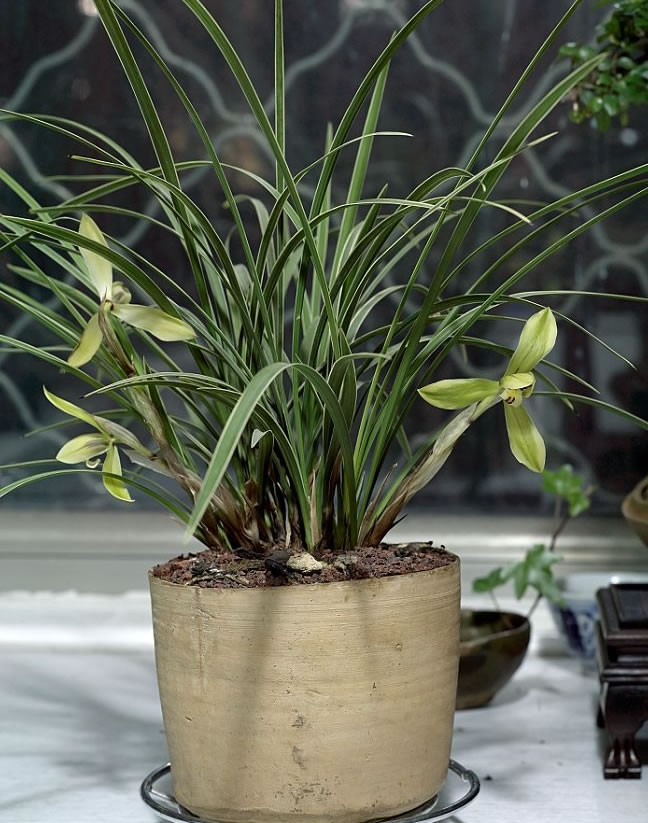
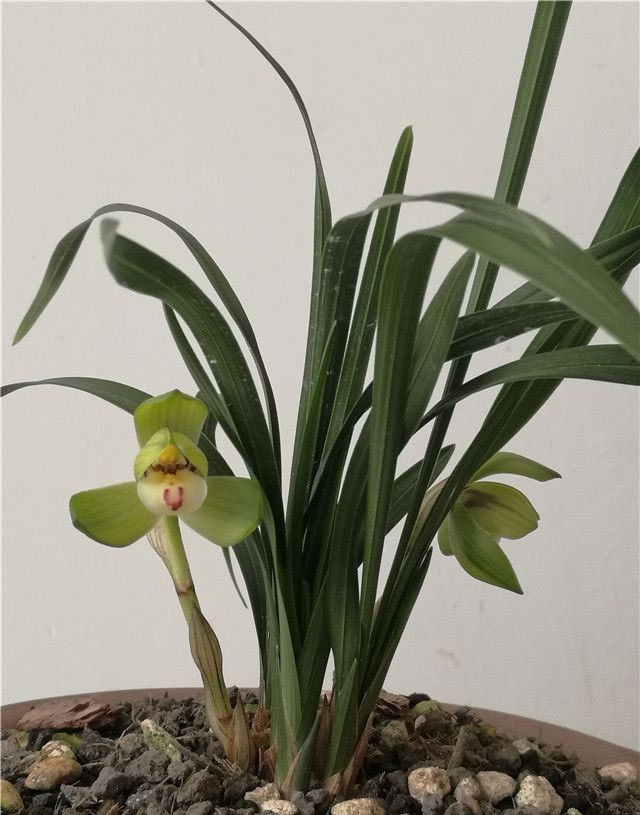
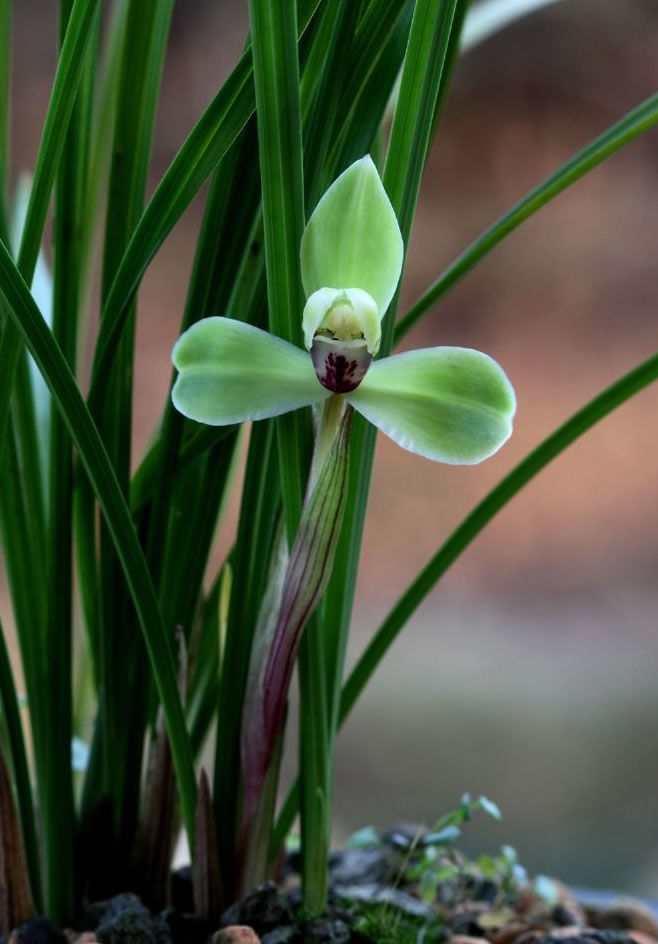
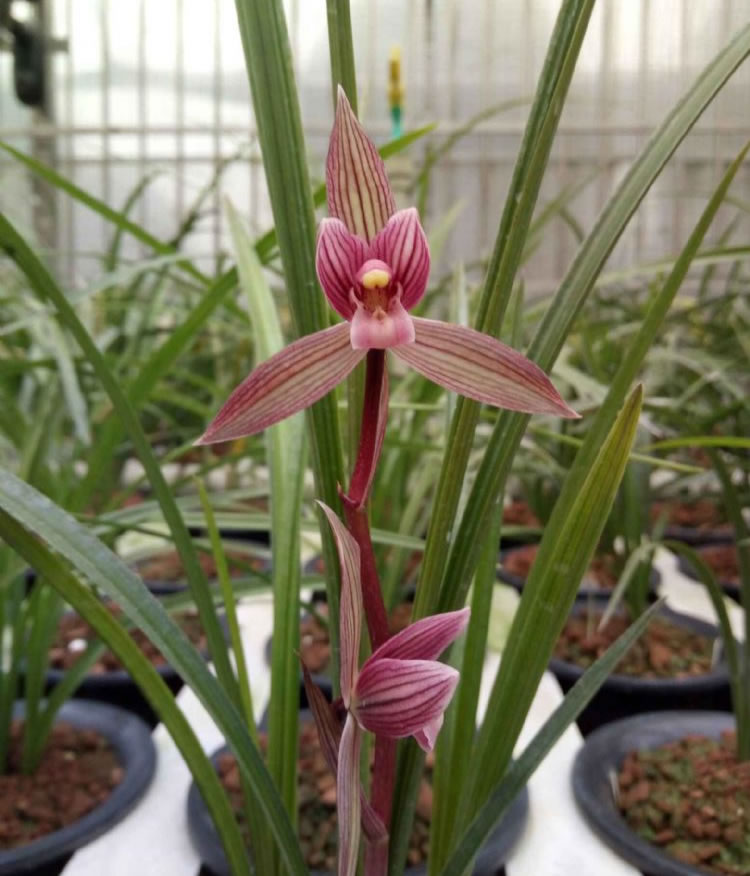
From an ornamental point of view, Fragrant Concubine Grass retains the typical qualities of Chinese orchids. Its leaves are slender, curved and drooping, evergreen through the four seasons, and when it blooms its fragrance is obvious, especially fresh and quiet in the early morning and evening. Flower color and petal type vary slightly with cultivation conditions, and overall it wins on understated elegance and durability, making it suitable for placement on a balcony, in a courtyard, or in a bright, well-ventilated indoor corner.
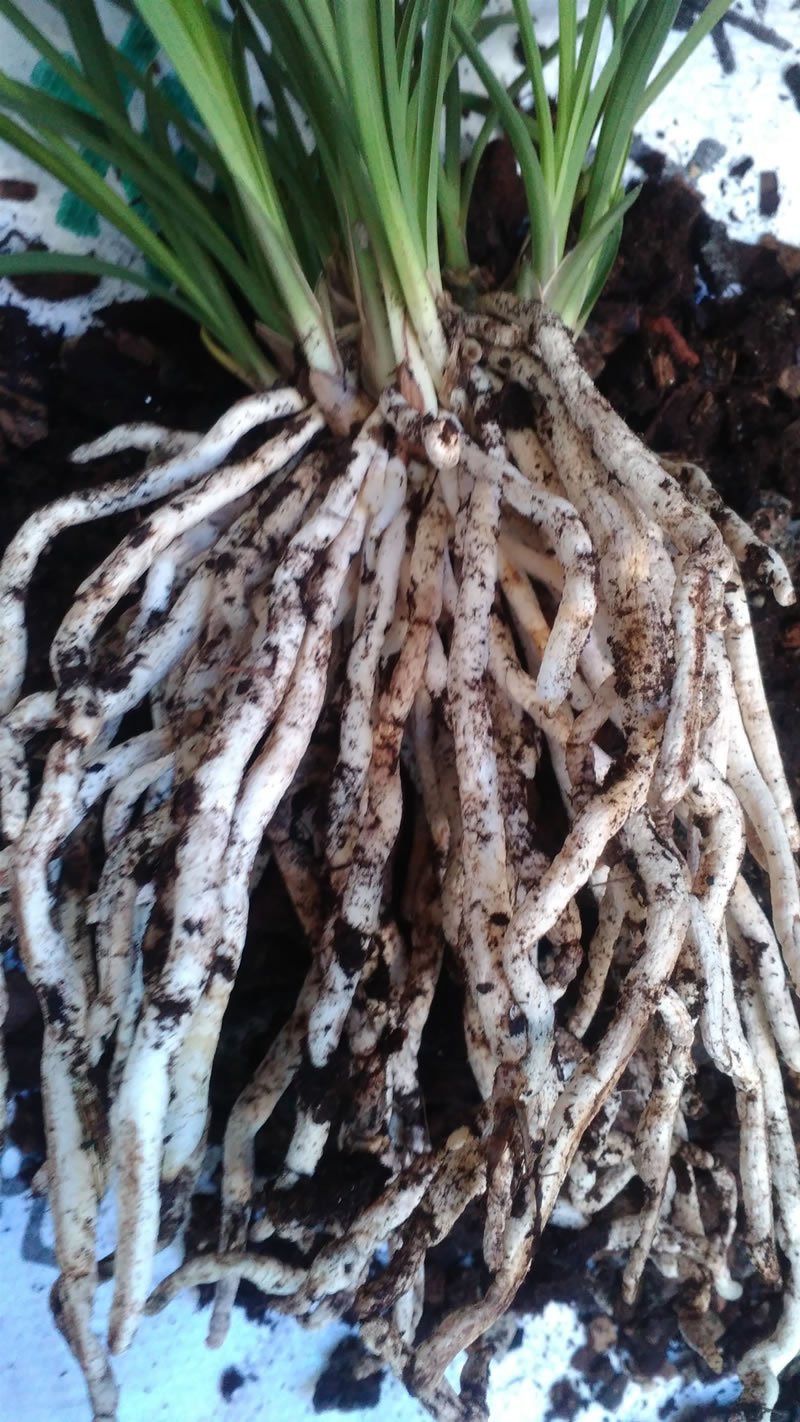
For care, you can refer to the general practices for Chinese orchids. The growing medium should be loose, breathable and slightly acidic, commonly mixed from bark, volcanic stone, tree fern fiber and the like, and it is best to disinfect or secondarily treat it before potting. Watering calls for drying out completely then watering thoroughly, with less rather than more preferred; long-term waterlogging harms the roots most. Normally provide plenty of scattered light, shade appropriately during the high temperatures of summer and autumn, and apply light fertilizer frequently during the growing season, and the plant will grow relatively steadily.
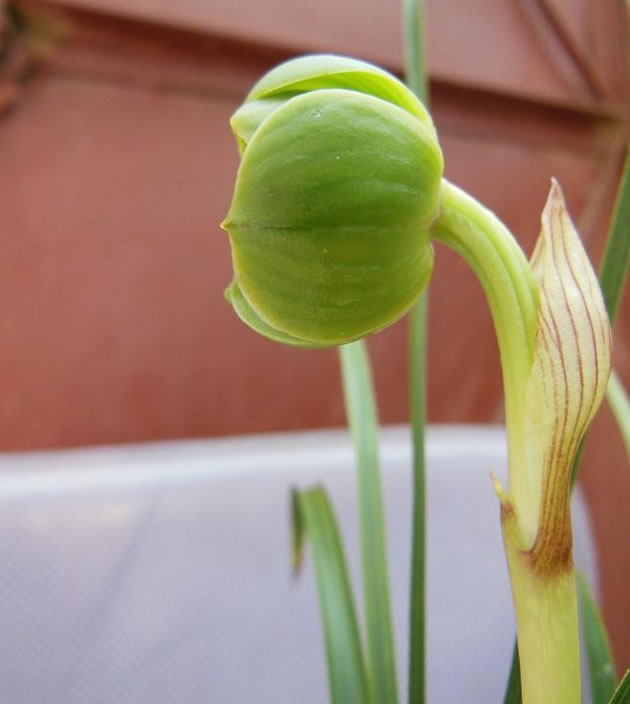
In daily management, pay attention to two common problems. First, poor ventilation and excessively high humidity easily induce leaf spot diseases and scale insects; when discovered, diseased leaves should be promptly pruned away and ventilation strengthened. Second, failure to bloom for a long time is mostly related to insufficient light and too small a day-night temperature difference; appropriately increasing light in autumn and winter and maintaining a temperature difference are more conducive to flower bud differentiation. Overall, Fragrant Concubine Grass is not difficult to care for; manage the growing medium, water and ventilation well, and even beginners can achieve ideal growth.