A Detailed Guide to the Characteristics and Care of the Grooved-Lip Cymbidium
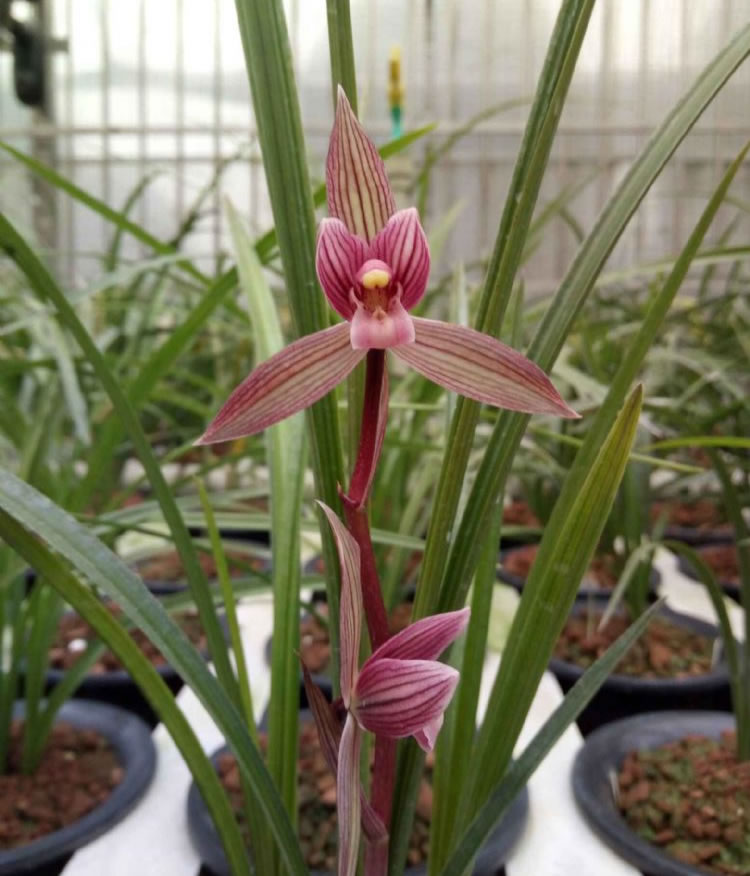
The Grooved-Lip Cymbidium (Cymbidium aloifolium) is a perennial epiphytic herb of the genus Cymbidium in the orchid family, named for the distinct veins and blotches on its petals. It is distributed across the warm, humid regions of southern China and parts of Southeast Asia, where in the wild it often grows attached to tree trunks or rock faces in forests, differing markedly in growth habit from terrestrial orchids such as the Spring Orchid (Cymbidium goeringii) and the Chinese Cymbidium (Cymbidium faberi).
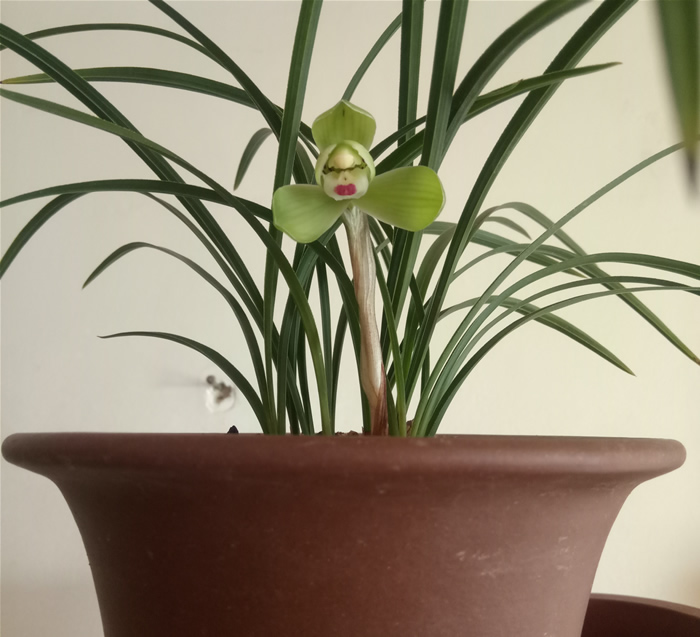
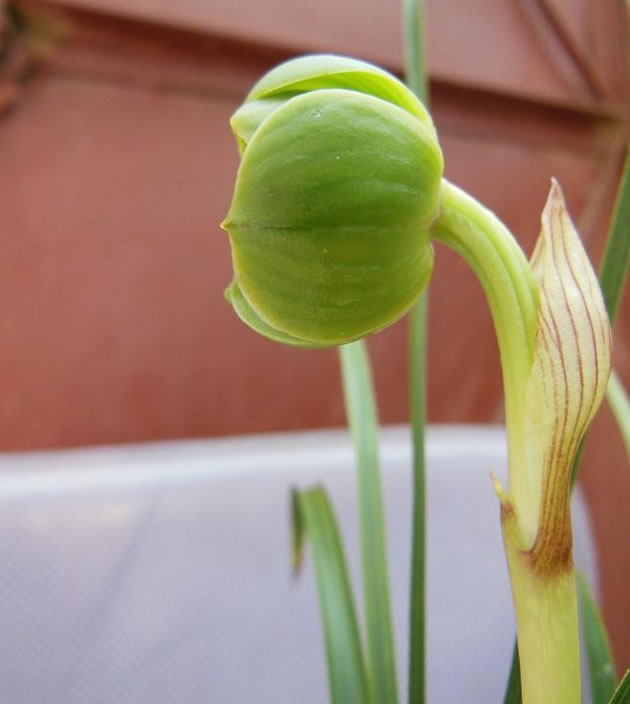
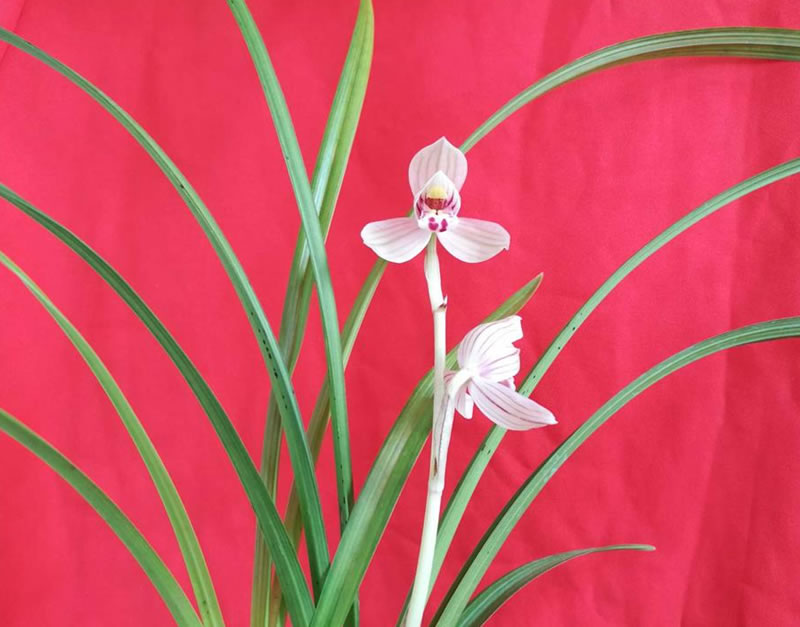
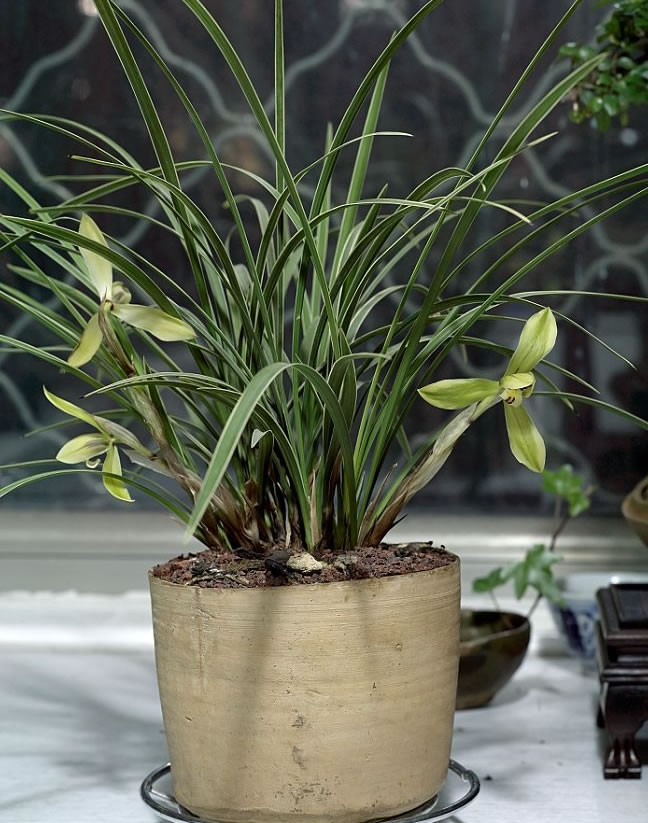
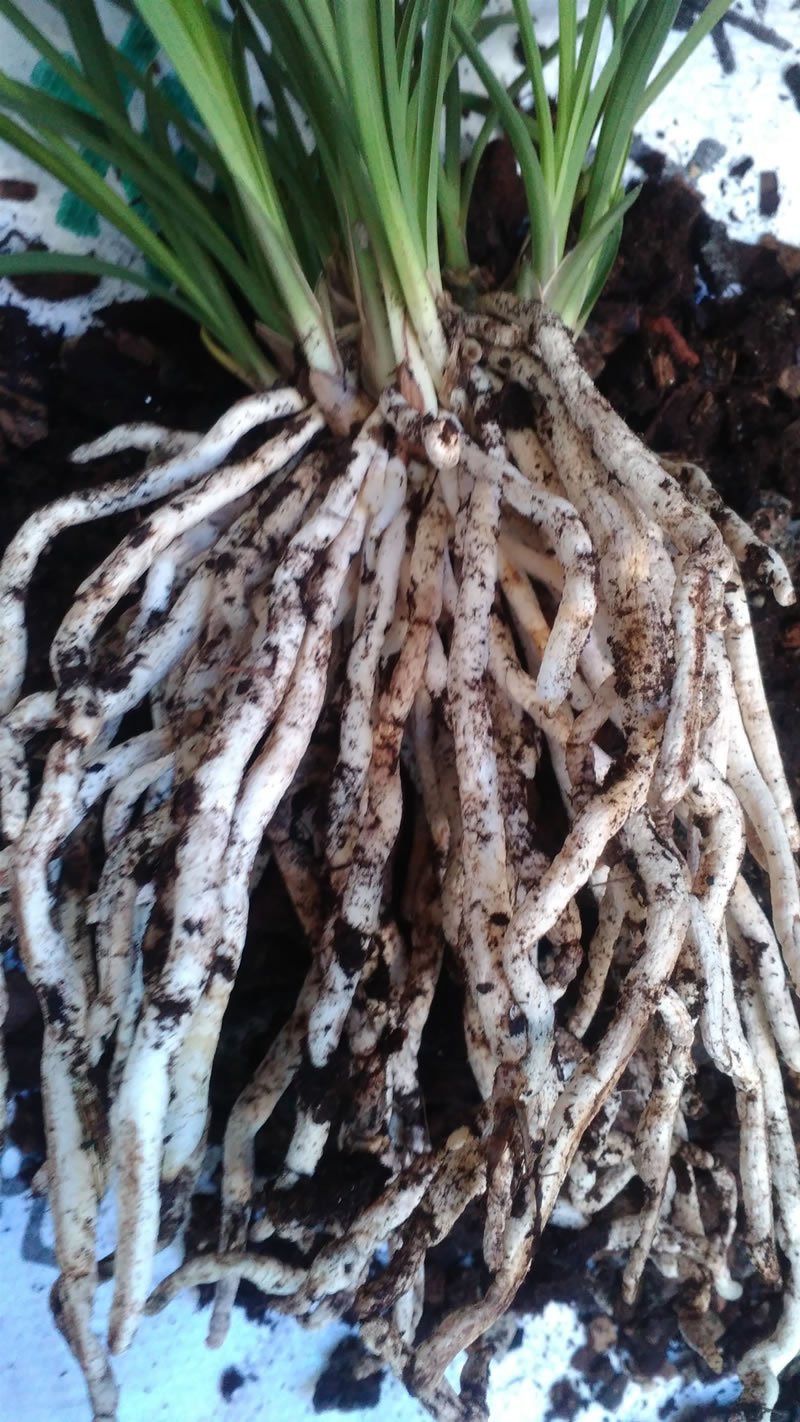
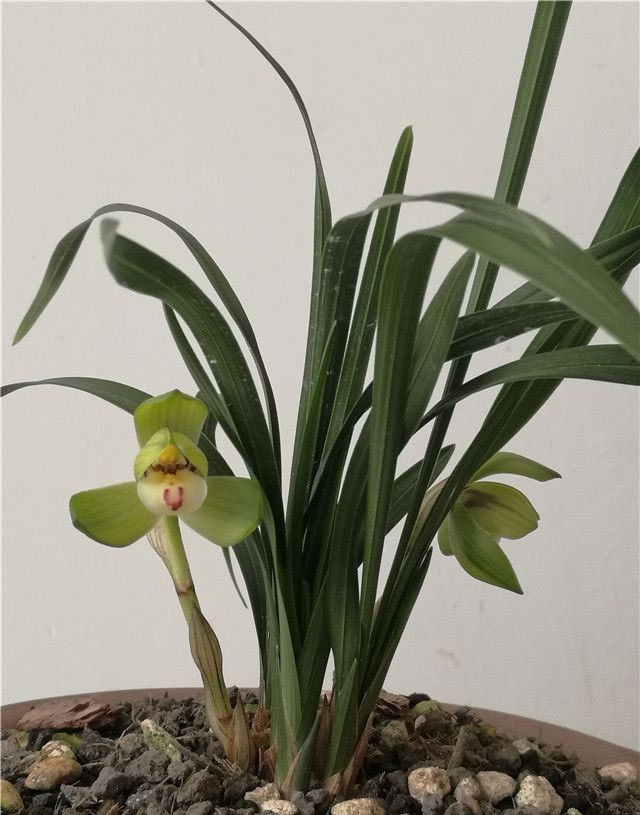
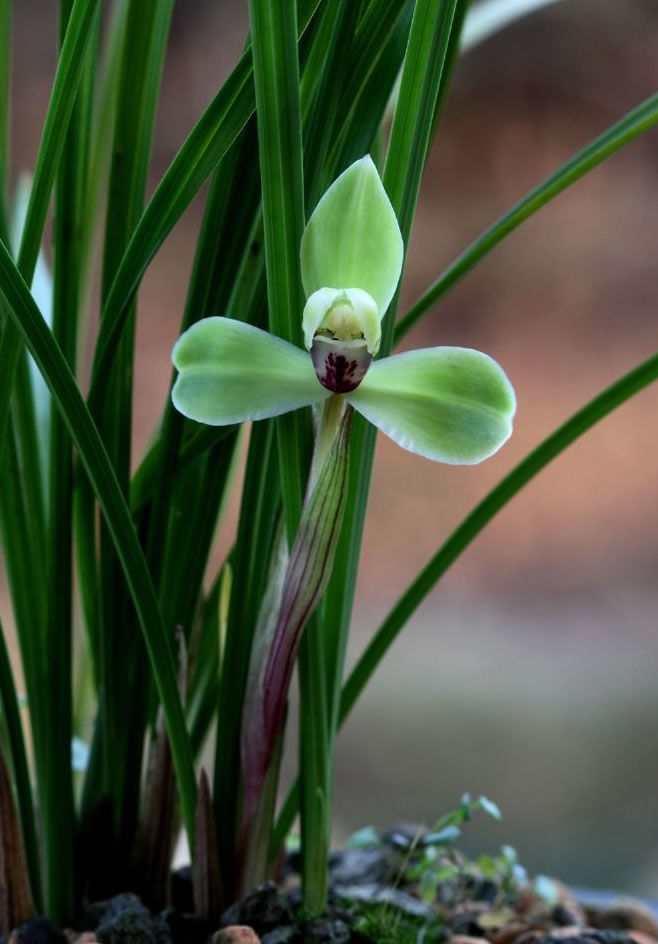
Its leaves are broad, thick and leathery, strap-shaped and slightly drooping, giving the plant a rugged, upright form with fairly strong drought tolerance. The flower scape emerges from the base of the pseudobulb and bears several to more than ten flowers; the flowers are mostly yellow-green in base color, with purple-brown striped blotches on the petals and lip, making for considerable ornamental appeal overall. Its thick, well-developed root system also makes it better suited to a climbing, attaching style of growth.
For care, the Grooved-Lip Cymbidium prefers a warm, humid, semi-shaded environment and dislikes intense direct sun and waterlogged pots. The potting medium should be a loose, airy material such as bark chunks and volcanic stone; water according to the principle of letting the medium dry before watering again, and during the peak growing season apply light, frequent fertilizer. In winter, keep the environment warm and ensure good ventilation to reduce the occurrence of disease.
As a rather distinctive epiphytic species within the genus Cymbidium, the Grooved-Lip Cymbidium can be grown in pots for display or attached to trees or rocks. Its evergreen foliage and elegant flowers are both highly appealing. It is often mentioned alongside the similar-looking Cymbidium bicolor, and the two can be distinguished by details of the vein pattern on the tepals and the markings on the lip. For beginners, the Grooved-Lip Cymbidium is not difficult to cultivate and is a good introductory choice for learning about the habits of epiphytic orchids.
Related Reading