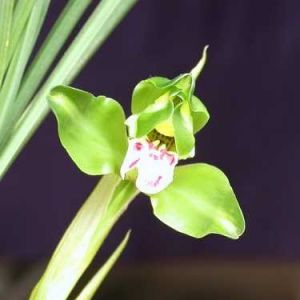
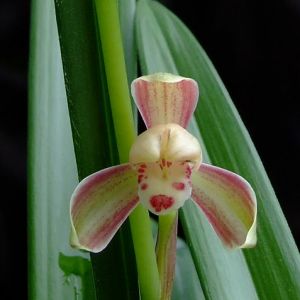
A Detailed Guide to the Variety Characteristics and Care Methods of the 'Network Idiot' Orchid
'Network Idiot' is a variety name circulating among orchid enthusiasts; at first hearing it sounds like an internet buzzword, but it is actually a name given to an orchid by growers. The naming of Chinese orchids has always been interesting, with both elegant names and colloquial, teasing names like this one, which instead make it easy to remember and spread.
Traditionally, orchid variety names are mostly related to flower color, petal type, place of origin or provenance, while names like 'Network Idiot' are closer to the language habits of the internet age and are commonly used as a form of address among orchid friends when they communicate. For ordinary orchid growers, when buying they should pay more attention to whether the plant is robust, whether the root system is intact, and whether the flowering performance is stable, and need not focus only on how novel the name is.
In terms of care, 'Network Idiot' has requirements similar to those of general Chinese orchids. The potting medium should be loose, breathable, slightly acidic and moisture-retentive, commonly mixed from bark, Kanuma pumice, tree fern fiber and the like; the placement should be in bright, diffused light, avoiding direct scorching sun in midsummer, and attention should be paid to keeping warm and preventing freezing in winter. Water by the principle of watering when dry and withholding when wet, keeping the medium moist but not waterlogged, and ventilation of the environment is especially critical.
Fertilize with light, frequent applications; in the vigorous growth seasons of spring and autumn, a dilute orchid-specific fertilizer may be applied, and during flower bud differentiation, phosphorus and potassium fertilizer should be supplemented appropriately, while fertilization should be stopped during high-temperature midsummer heat and severe winter cold. Usually pay attention to the condition of the leaves and leaf sheaths, and isolate and treat them early when signs of pests or diseases are found. As long as the environment is suitable and management is in place, this kind of variety can likewise grow robustly and bloom on schedule.
Related Reading