Rabbit ear flower is the common name for cyclamen; master its characteristics and care methods
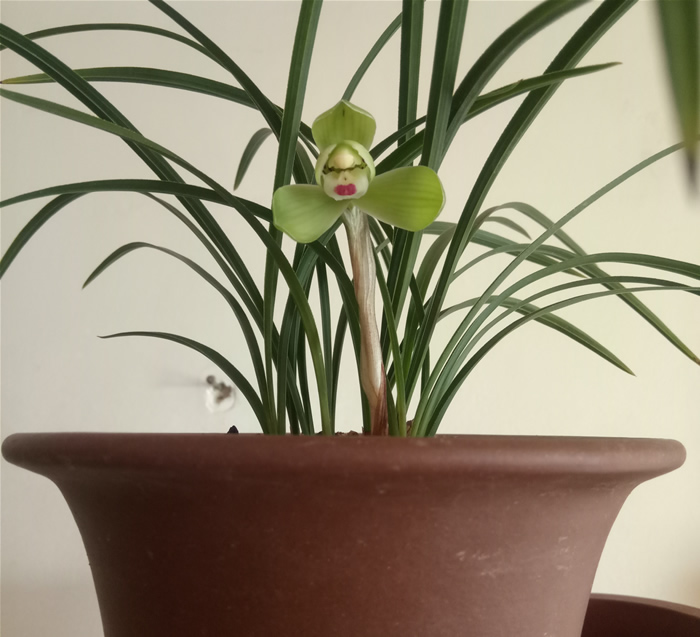
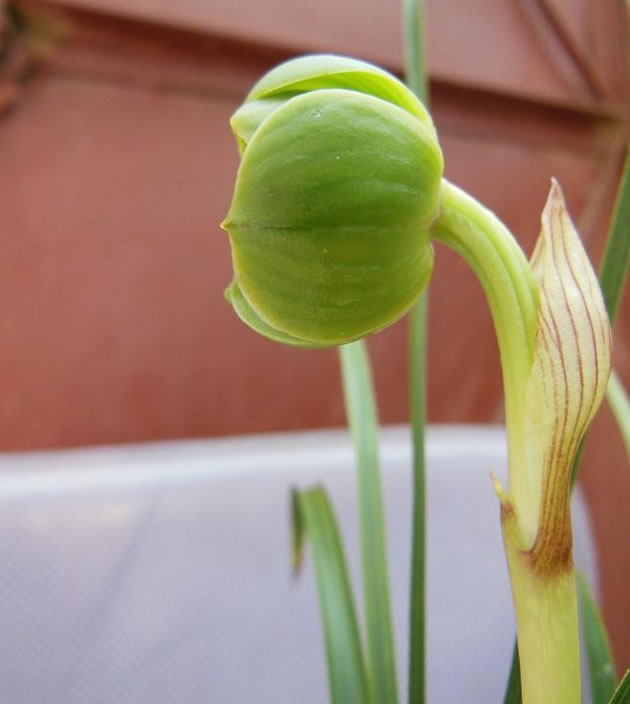
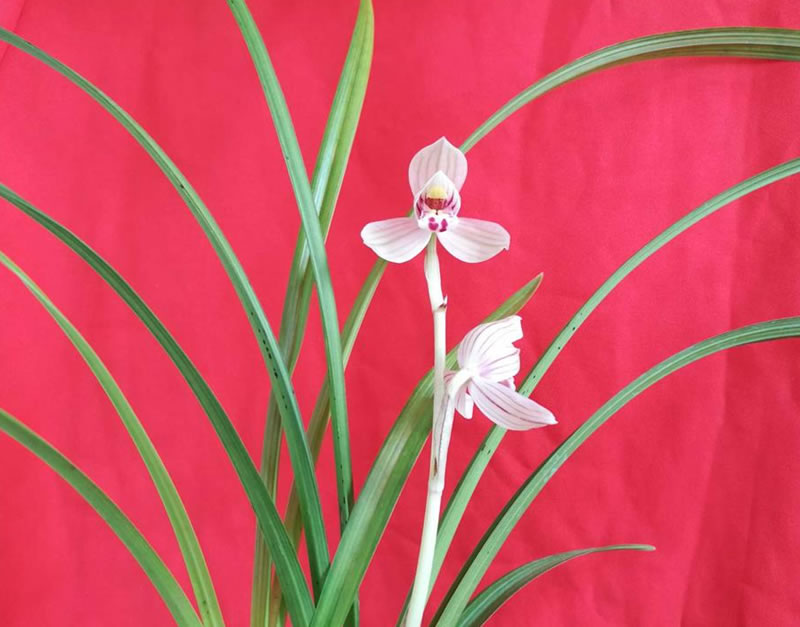
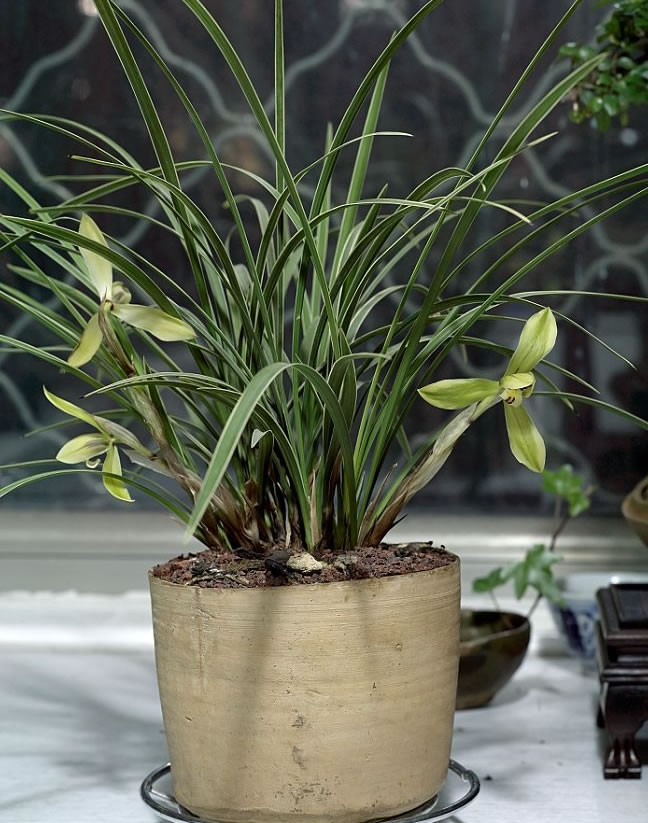
Rabbit ear flower is the common name for cyclamen, a perennial herbaceous plant of the genus Cyclamen in the primrose family (Primulaceae), native to the Mediterranean coast. Its petals curl upward and backward, closely resembling the long upright ears of a rabbit, which is how it got the names rabbit ear flower and rabbit flower; among gardeners it is also called radish begonia and yipin crown. The plant is small and delicate in form, with bright and richly varied flower colors, and it is a popular indoor potted flower during winter and spring.
The underground part of the rabbit ear flower is a flattened spherical tuber, from which the leaves grow in a cluster, mostly heart-shaped or ovate, often with silvery-white markings on the leaf surface, making it quite ornamental even when not in bloom. The flower stalks are slender and upright, with single flowers at the tips; the petals curl upward and backward, and come in many colors such as red, pink, white, purple-red and bicolor. The flowering period is mostly in winter and spring, right around New Year's Day and the Spring Festival, so it is often chosen as a New Year festival flower to decorate the home.
For daily care, grasp these key points: it likes cool conditions, dislikes high temperatures, and prefers scattered light; the placement should be bright but avoid harsh sun exposure. Watering requires care: do not pour water directly on top of the tuber or into the leaf center, otherwise rot is very likely, and overwatering that causes the tuber to rot is the most common mistake for beginners. The growing soil should be loose, breathable and well-draining, and can be mixed from leaf mold, peat and the like; before potting, clean and disinfect the growing medium thoroughly.
In the high heat of summer, the above-ground part of the rabbit ear flower gradually withers, which is a normal dormancy phenomenon; at this time reduce watering, stop fertilizing, and move the pot to a cool, ventilated place, and once the weather turns cooler new leaves will sprout again. If you want to extend the viewing time during the flowering period, you can moderately lower the ambient temperature and ensure light, while avoiding moving the pot frequently. Overall, the rabbit ear flower is not difficult to grow; master the balance of temperature and moisture, and it will bloom continuously year after year.