Potted Dendrobium officinale dying is mostly due to improper care; find the cause and remedy it in time
What is usually called "Dendrobium officinale dying" generally refers to potted or field-grown Dendrobium officinale (tiepi shihu) showing overall decline such as yellowing and dropping leaves, shriveled and soft stems, and blackened, rotting roots. Dendrobium officinale is an epiphytic plant in the orchid family; its roots need a well-aerated environment, and it has rather particular requirements for water, light and growing medium, so improper care easily leads to weak growth and, in severe cases, the death of the whole plant.
The most common cause of death is overwatering: when the medium stays waterlogged for a long time, the roots are deprived of oxygen and rot, and root rot is often the direct trigger of plant death. Next is excessive light; scorching sun in summer easily burns the leaves and speeds up water loss. In addition, compacted and aged medium, prolonged drought and lack of water, low-temperature freezing damage in winter, and diseases brought on by poor ventilation can all lead to the death of the whole plant.
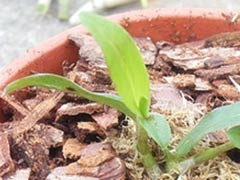
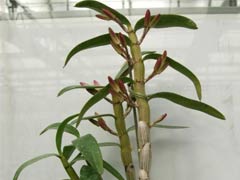
When you notice the plant's condition worsening, first check the stems and roots. If the stems are still plump and firm and the root tips are white or tinged with green, the plant has not completely died; you can cut off the rotten roots and withered leaves, repot it in a loose, breathable medium such as bark or sphagnum moss, and place it in a spot with plenty of scattered light and good ventilation to recover. If the stems are entirely shriveled and black and the roots break at a touch, it is basically beyond saving.
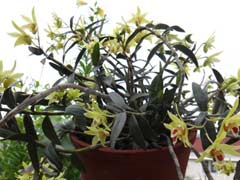
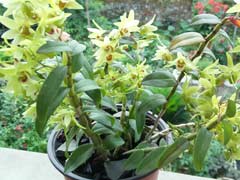
In routine care, watering should follow the principle of watering when dry and letting it dry out between waterings, preferring dryness over waterlogging; when the air is dry you can spray water around the plant to raise humidity, but the pot must not stay waterlogged for long. When the medium becomes compacted and aged, it should be replaced in time. Shade it appropriately in summer, keep it warm and protected from cold in winter, and maintain good ventilation, and Dendrobium officinale will stay vigorous and healthy, reducing the risk of dying.