Characteristics of Songchun Orchid and How to Care for It at Home
Songchun is a terrestrial orchid of the genus Cymbidium in the family Orchidaceae, often called Songchun orchid. It is mainly distributed in the mountainous areas of southwest China, including Sichuan, Chongqing, Yunnan and Guizhou. It gets its name because its flowering period is relatively late, often extending to the end of spring, as if seeing spring off. In terms of morphological characteristics, it falls between Cymbidium goeringii (Spring Orchid) and Cymbidium faberi (Faber's Cymbidium), and some people regard it as a closely related type of Cymbidium faberi.
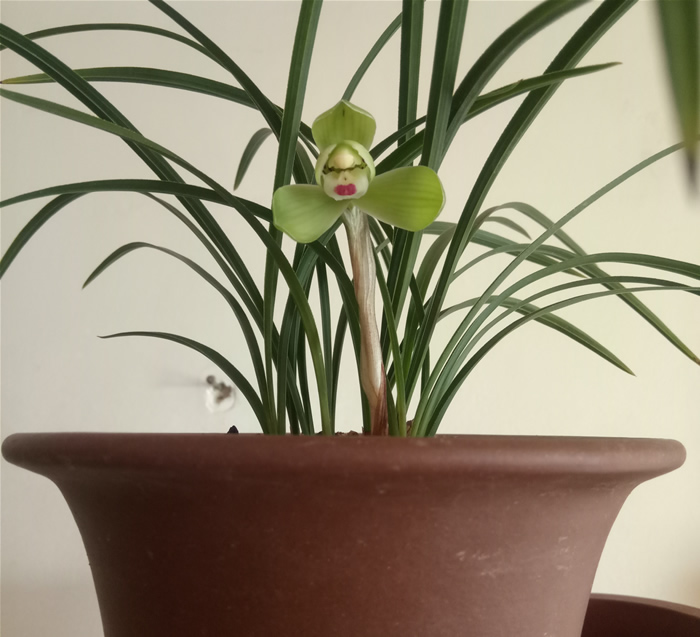
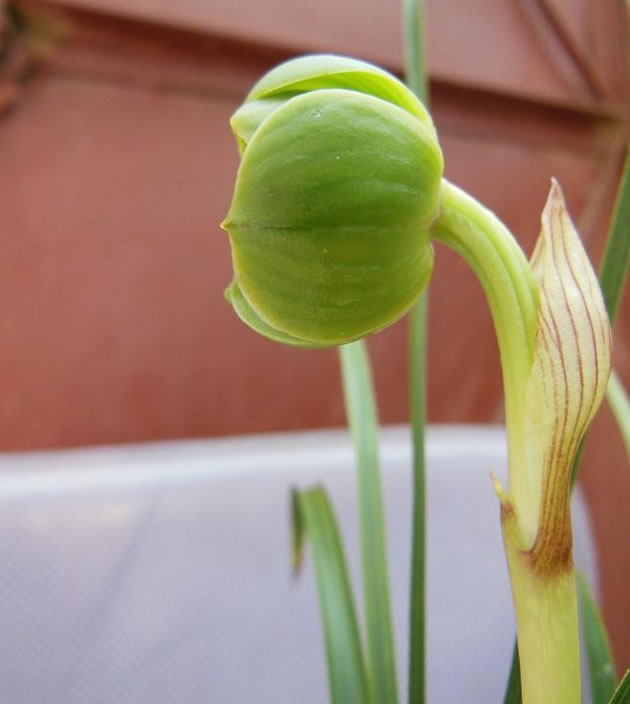
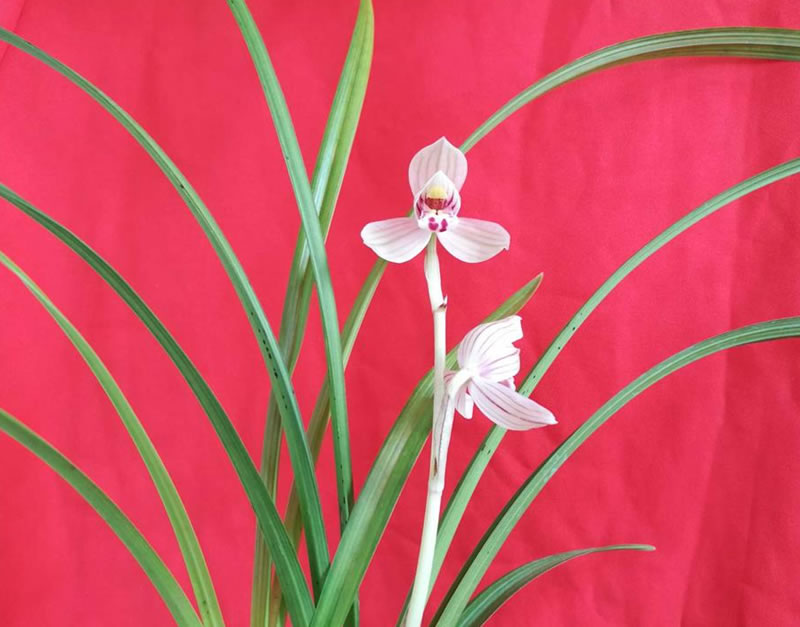
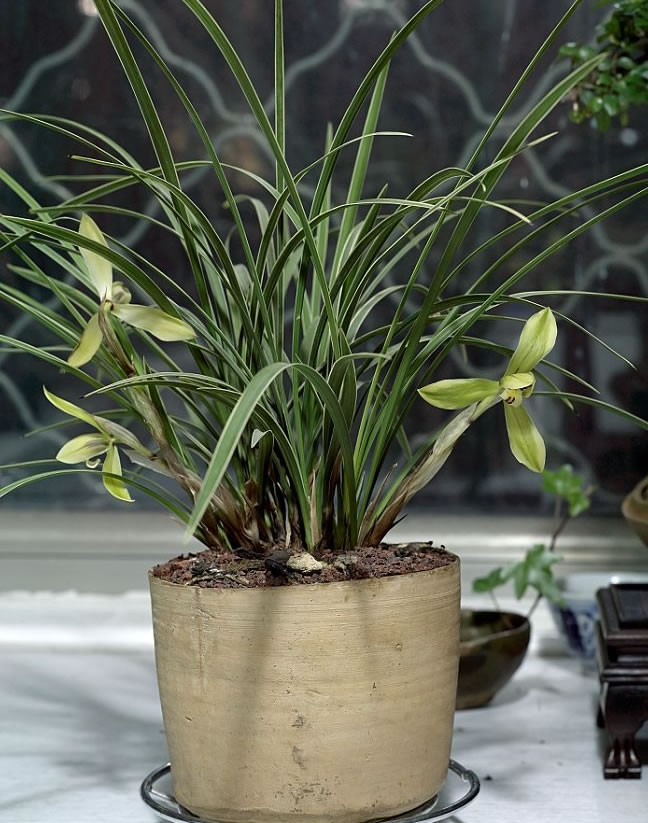
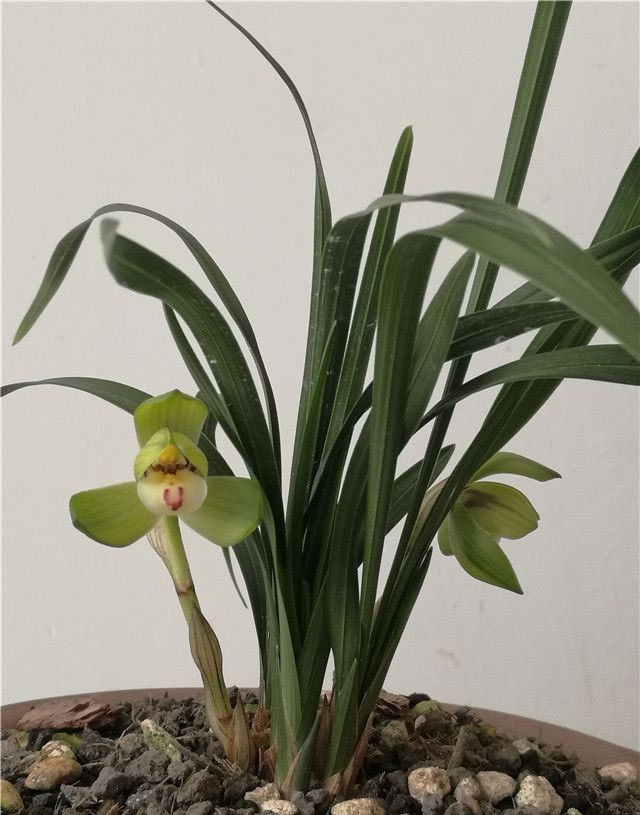
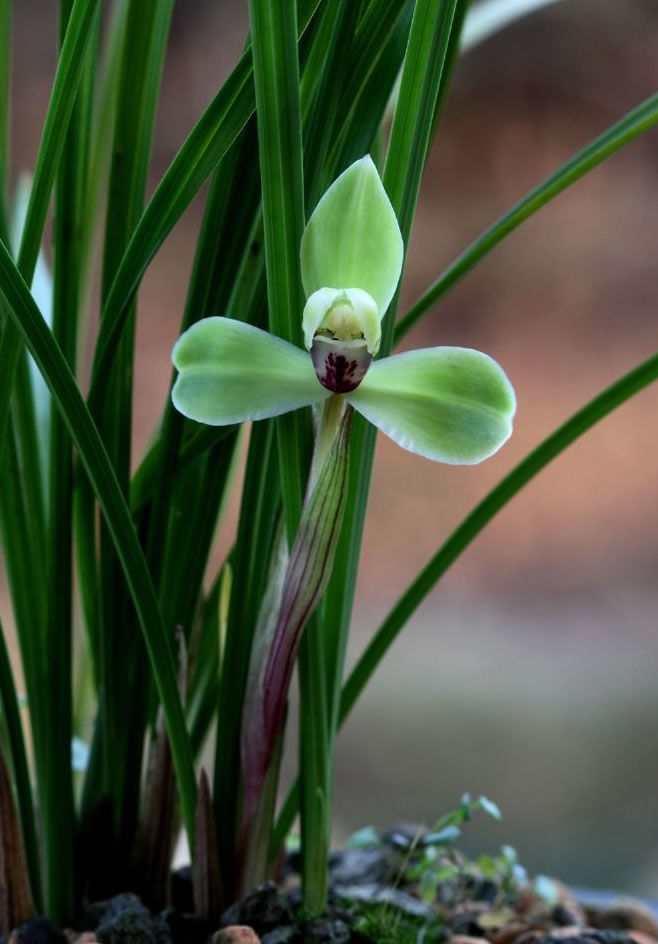
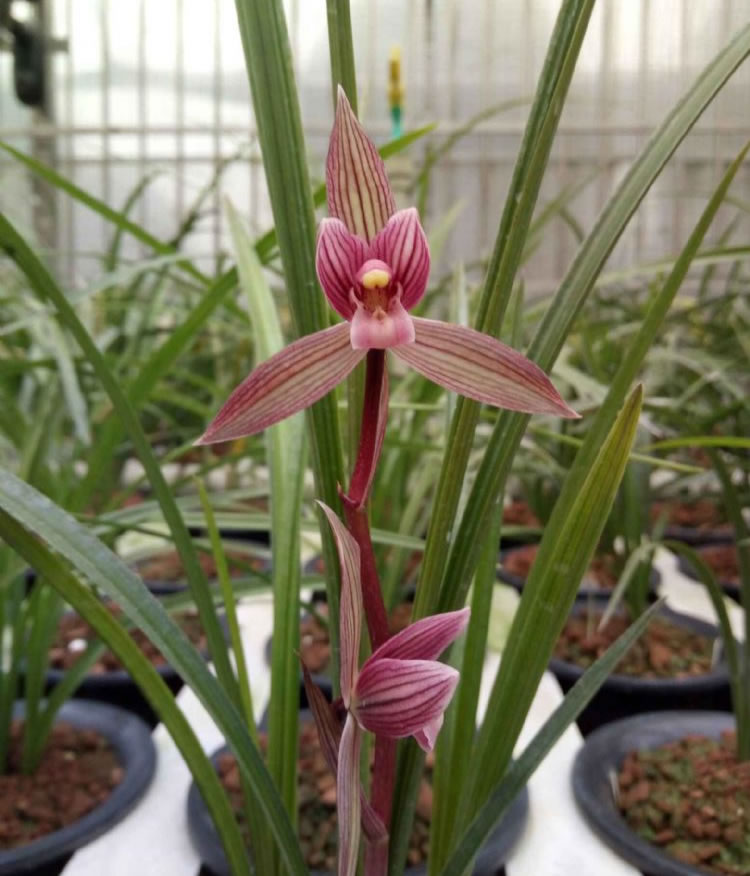
The leaves of Songchun are mostly strap-shaped, numerous, growing in clustered tufts, with fine serrations often along the leaf margins, and the clumps are somewhat more upright than those of Cymbidium goeringii. When it blooms, the flower scape emerges at an angle, and a single scape can bear several flowers. The flower color is mostly yellow-green or emerald green, with a delicate and lasting fragrance. Because it blooms later than ordinary Cymbidium goeringii and Cymbidium faberi, it often makes people look forward to it with particular anticipation during early-spring orchid events.
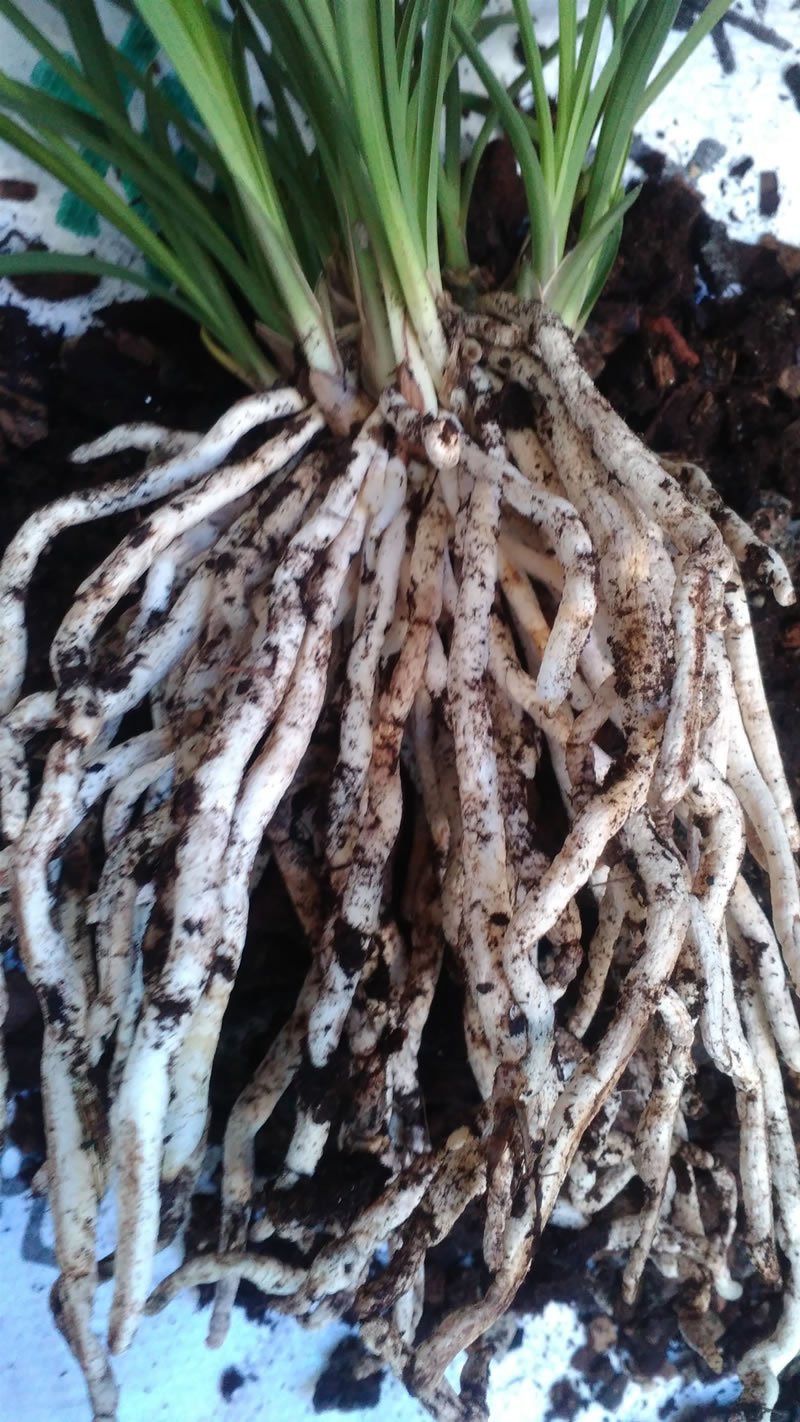
For care, Songchun likes a warm, humid, well-ventilated, semi-shaded environment. The potting medium should be loose, breathable and well-draining; it can be prepared with bark chunks, leaf mold and granular materials, and disinfecting it before use is more reliable. Watering should follow the principle of watering when dry and letting it dry between waterings, preferring dry over waterlogged. During the peak growing season, a thin fertilizer can be applied. In summer, pay attention to shading and cooling; in winter, appropriately increasing light helps flower bud development and blooming.
Songchun has an elegant plant shape and a pleasant floral fragrance, making it suitable both for potted cultivation on a balcony and for adding elegance to a courtyard. The problems beginners commonly encounter when growing it are mostly root rot caused by watering too frequently, or leaf scorch from overly strong light. In daily management, if you control water and fertilizer well and keep the environment ventilated, the plant will have glossy green leaves, and once it grows steadily, blooming is not difficult.