An Introduction to the Characteristics, Habits and Care Methods of Calanthe tricarinata
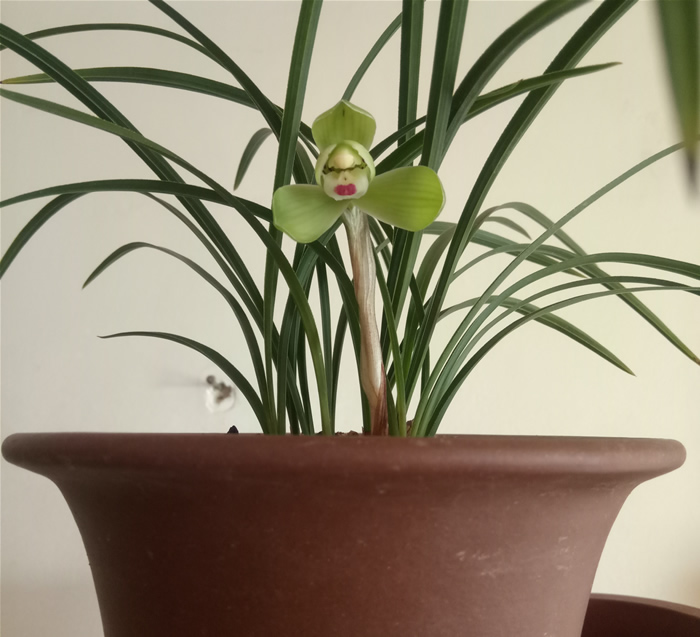
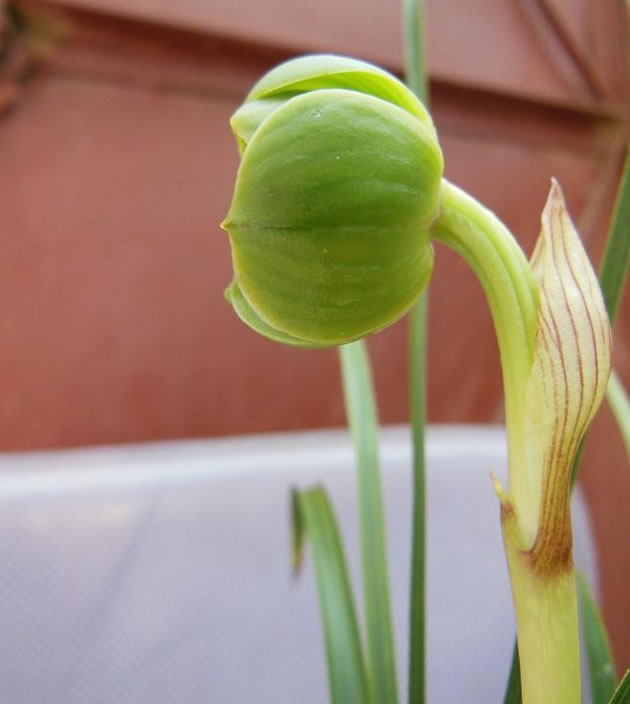
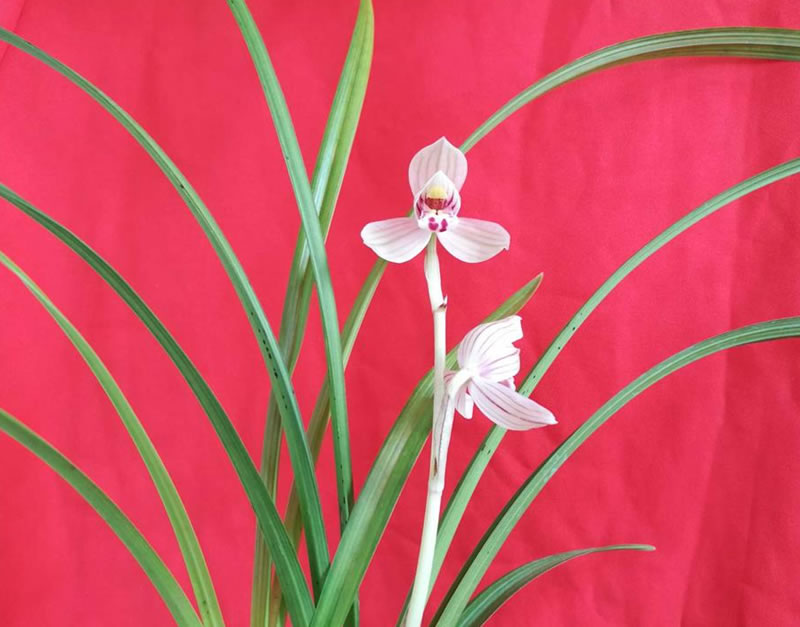
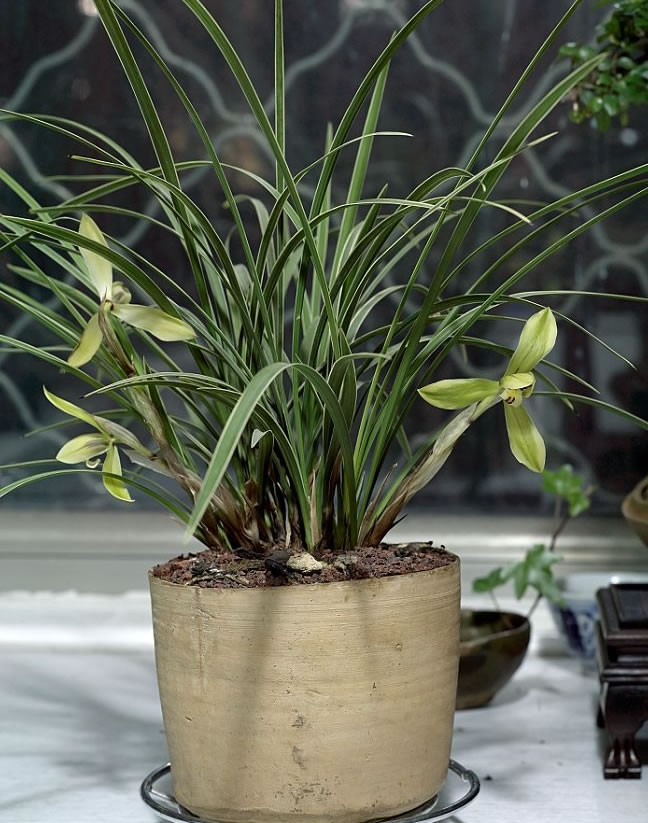
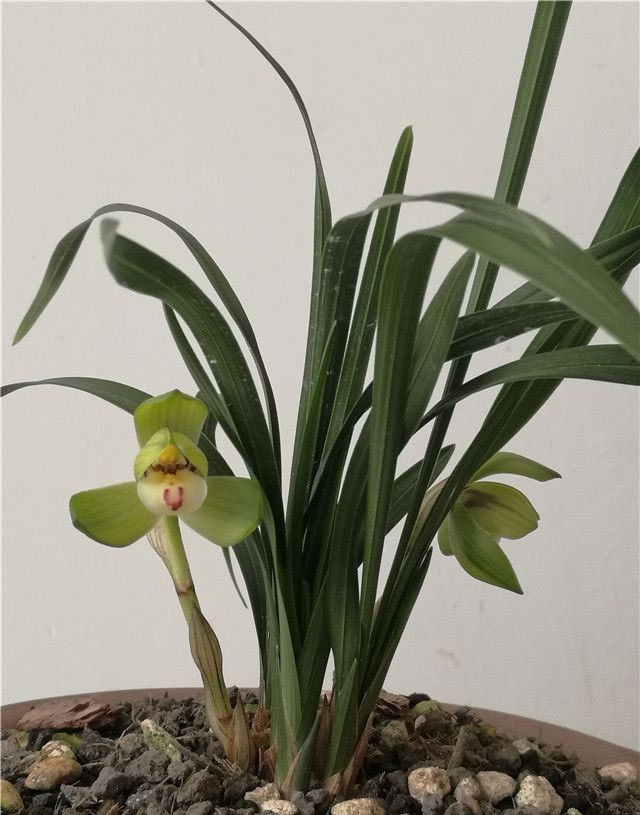
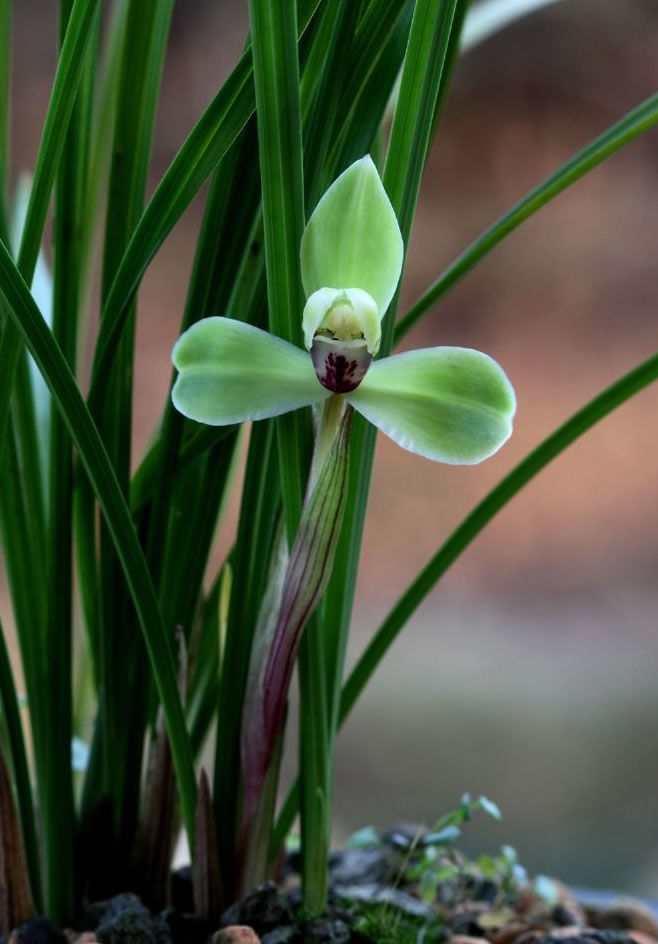
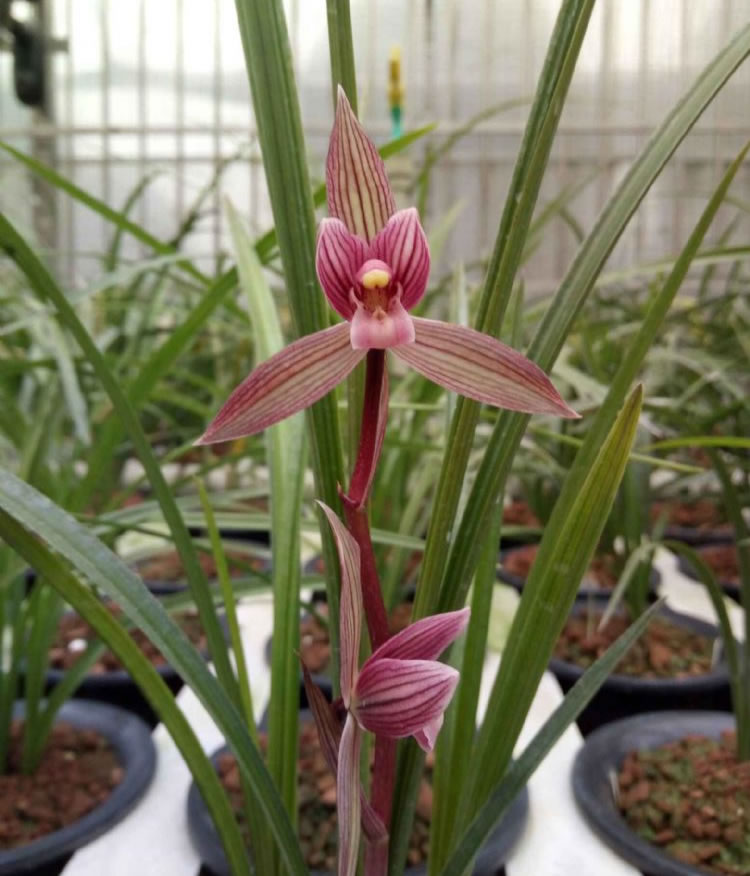
Calanthe tricarinata is a perennial terrestrial orchid of the genus Calanthe in the family Orchidaceae, named for the three ridge-like protrusions on its lip. The plant usually has pseudobulbs, and its leaves are broad with obvious wrinkles. The flower scape emerges from among the leaves and bears several flowers arranged in a raceme; the flowers are mostly yellow-green with brown markings, giving off a distinctly wild, mountain feel.
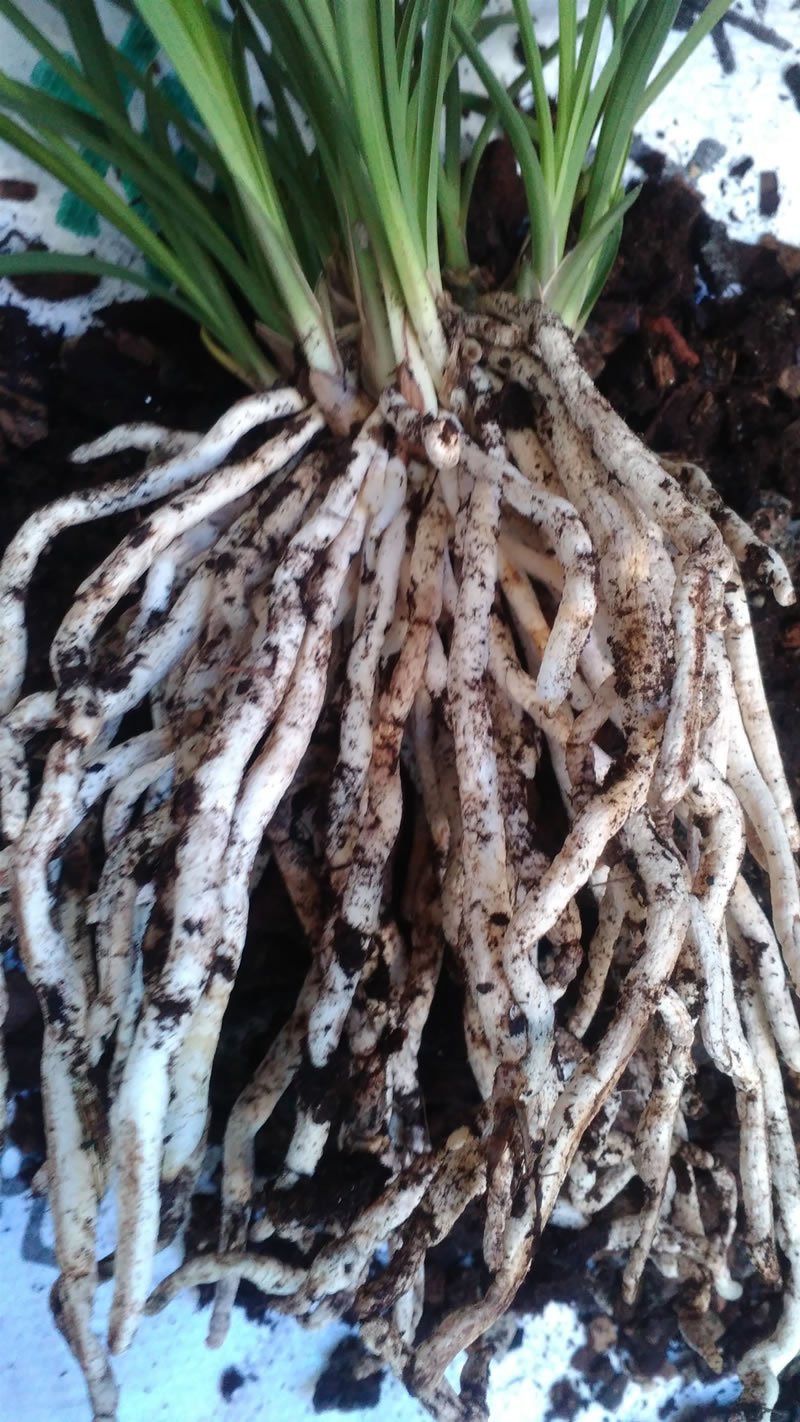
In China it is mostly distributed in the high-altitude mountain areas of the southwest and nearby regions, where in the wild it often grows under forest canopy, at the edge of thickets, or beside damp, shady ravines. This kind of terrestrial orchid prefers a cool, moist environment with plenty of diffused light; it fears direct blazing sun and also fears long-term waterlogging of the substrate. Its roots are mostly concentrated in the shallow soil layer, and it depends on a loose, airy growing medium rich in humus.
For home cultivation, you can use leaf mold or bark chunks combined with an appropriate amount of granular medium, balancing air permeability and water retention. Place it in a bright spot without direct sunlight in daily care; during the growing season keep the medium slightly moist and apply light fertilizer frequently, and after flowering and during dormancy reduce watering appropriately. At the same time, pay attention to ventilation in the environment, which can noticeably reduce root rot and disease problems.
Calanthe tricarinata has a distinctive flower shape and is one of the more ornamental species in the genus Calanthe, suitable for arranging shaded flower borders in a courtyard or for growing as a potted plant for appreciation. Wild orchid resources are increasingly diminishing, so it is advisable to obtain artificially propagated seedlings through proper channels, and with careful care, let this wild mountain orchid continue its charm in horticultural life.
Related Reading