Introduction to the Characteristics of the Siyuan Orchid Variety and Its Routine Care Methods
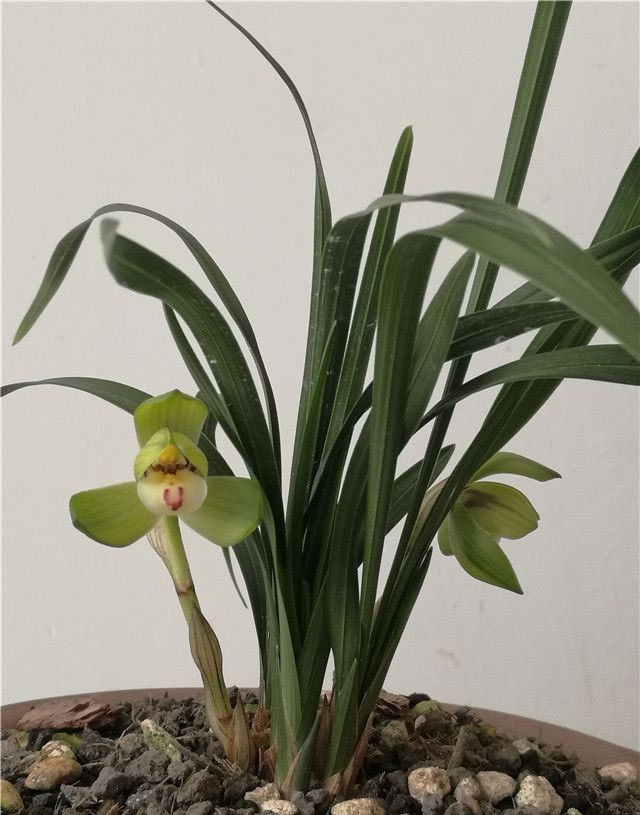
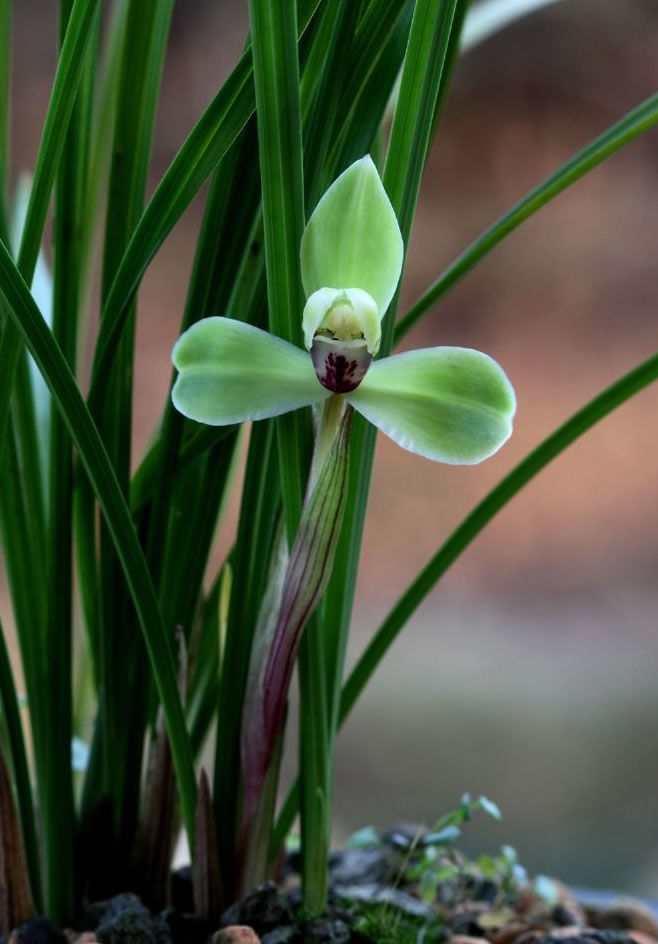
Siyuan is the name of a Chinese orchid variety, often mentioned alongside famous Cymbidium goeringii cultivars such as Xishen and Shenxian He when orchid enthusiasts get together. According to the customary classification of Chinese orchids, it is generally placed in the Cymbidium goeringii group, a terrestrial orchid of the genus Cymbidium in the family Orchidaceae. Cymbidium goeringii has a long history of cultivation in China and boasts numerous varieties; names like Siyuan, which win admiration for their evocative imagery, also reflect the literati tradition of naming Chinese orchids.
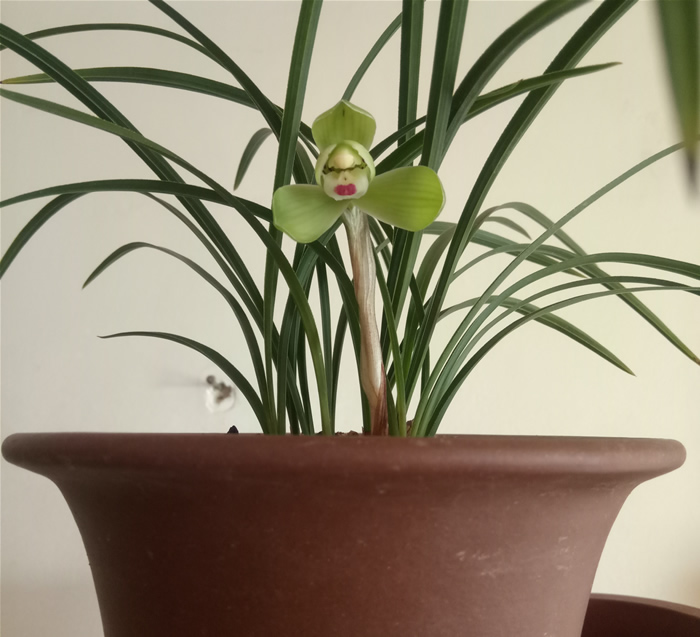
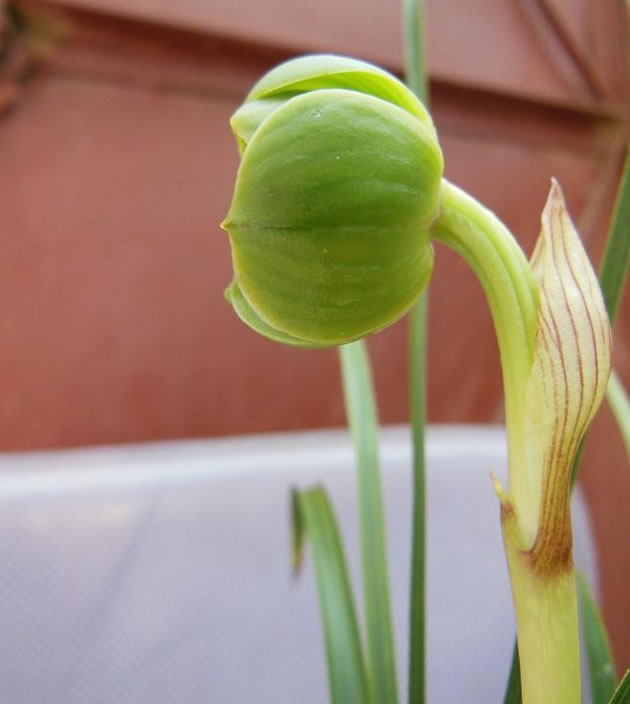
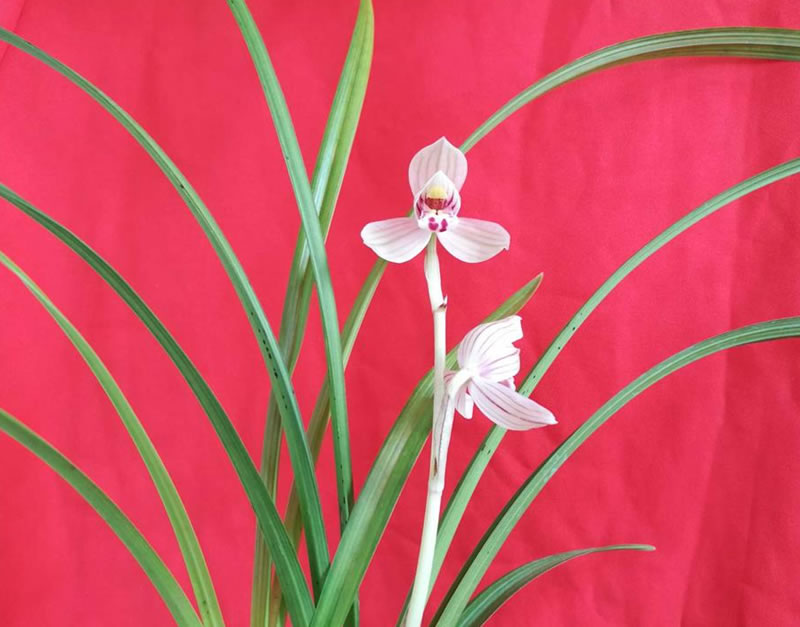
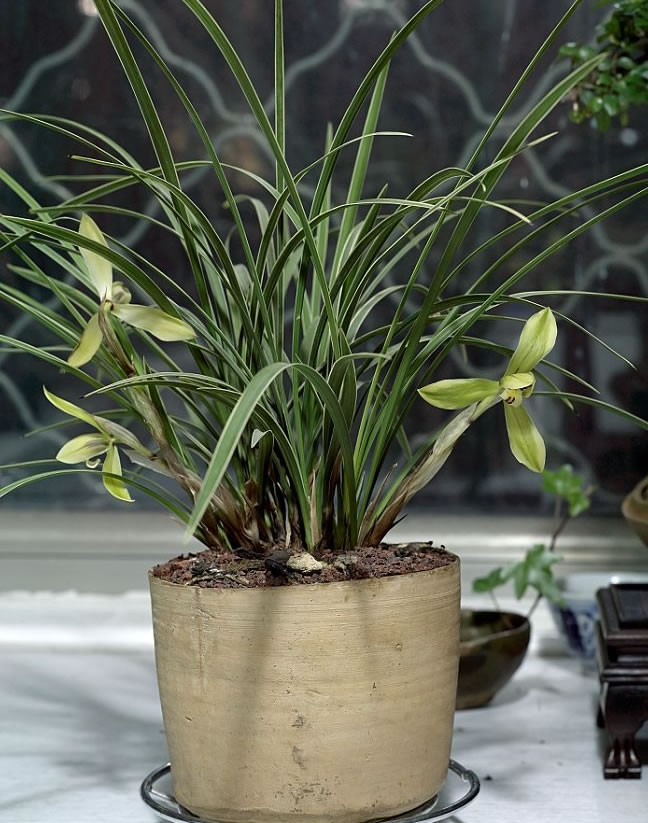
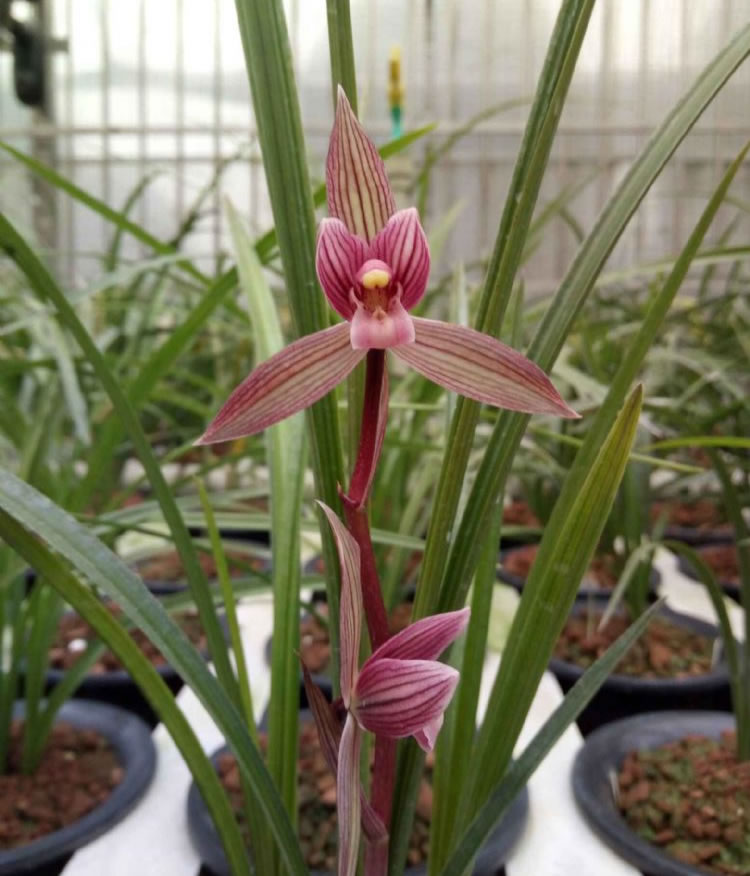
From an appreciation standpoint, the grade of a Cymbidium goeringii variety is usually judged by the shape and opening of the petals, the harmony between the inner petals (pengxin) and the lip (chunshe), the purity of the flower color, and whether the leaf posture is upright and graceful. The specific flower form of Siyuan varies with the condition of the plant and its provenance, so before acquiring one, orchid enthusiasts had best look at the actual plant, or compare photos from different sources, rather than imagining it from the name alone.
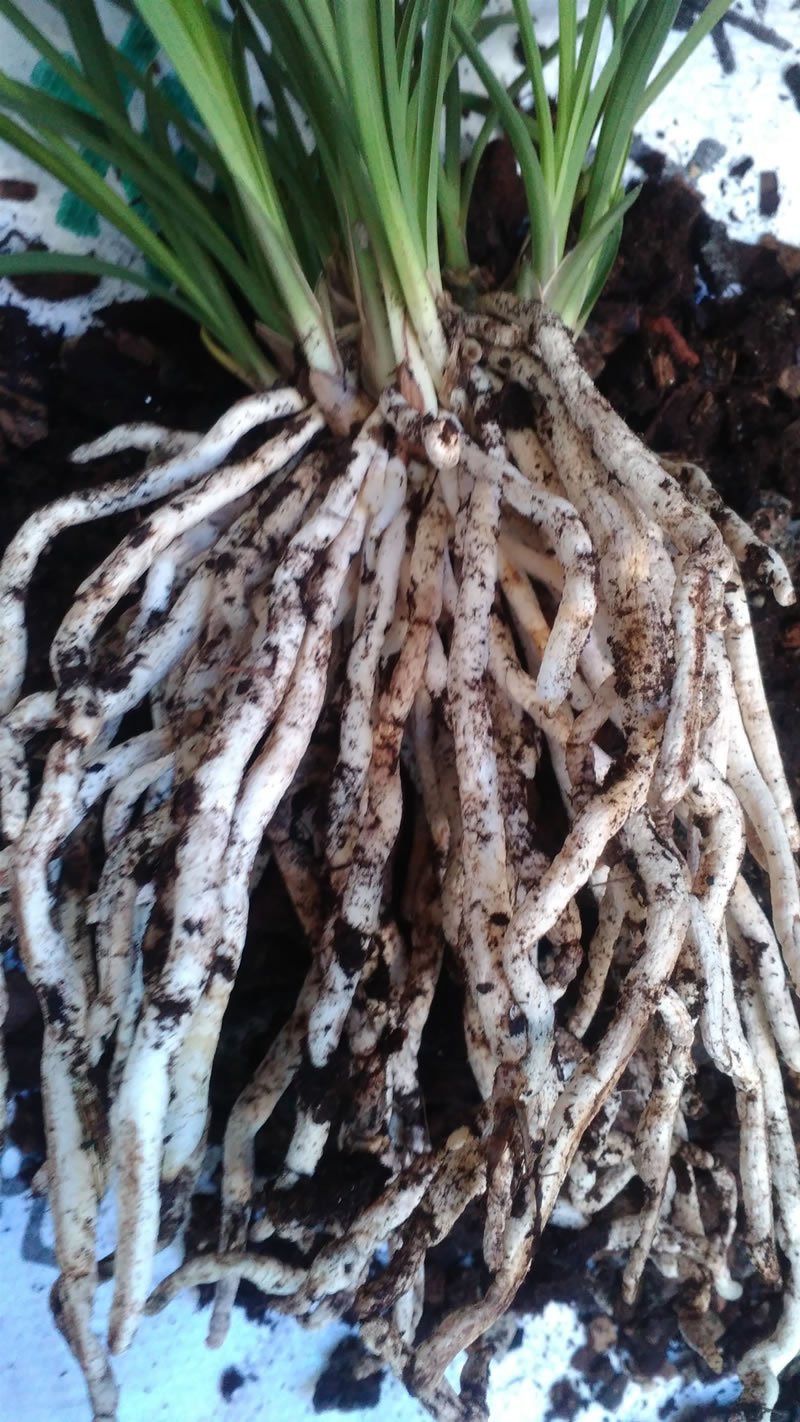
As for care, the orchid saying goes that watering takes three years to master, and Siyuan is no exception. The potting medium should be loose, breathable and well draining; a mix of bark, granular stone and a small amount of humus soil is commonly used. Treating the medium a second time before potting can reduce hidden problems caused by dust and pathogens. Water according to the principle of letting the medium dry before watering again; keep it slightly moist during the spring and autumn growing seasons, restrict water somewhat in winter, and combine this with good ventilation so the roots can grow strong.
For home orchid growing, Siyuan is suited to a spot with bright, diffused light; avoid scorching sun and avoid a long-term stuffy, humid environment, which otherwise easily causes root rot and leaf spotting. Repotting and division are mostly done after flowering or in spring and autumn, and keeping enough connected plants together is more conducive to restoring vigor and blooming. Overall, the value of such a variety lies mainly in its ornamental appeal and in collecting varieties; when it blooms and its delicate fragrance fills the room, that is exactly what makes Chinese orchids most moving.
Related Reading