A Detailed Guide to the Care and Division of Ten-Growth Connected Orchids
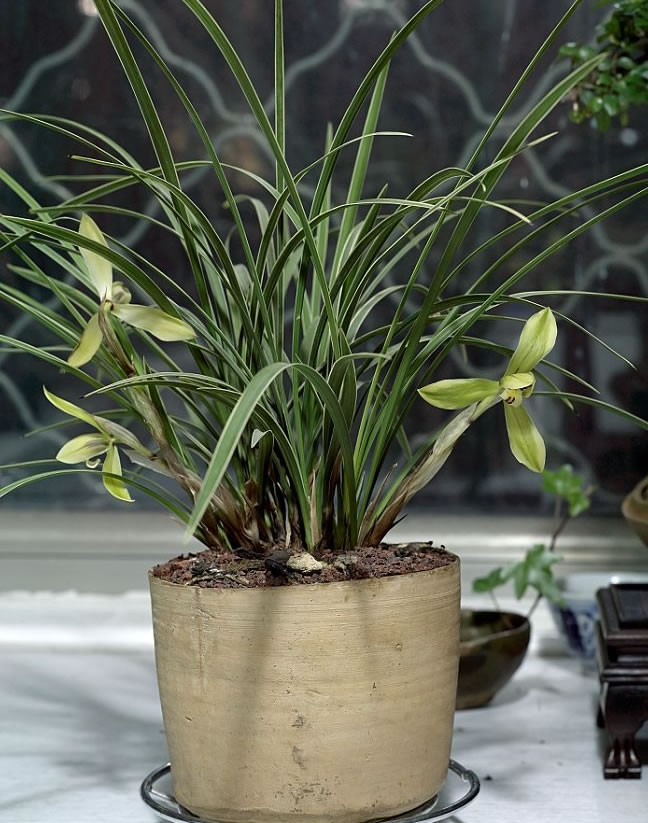
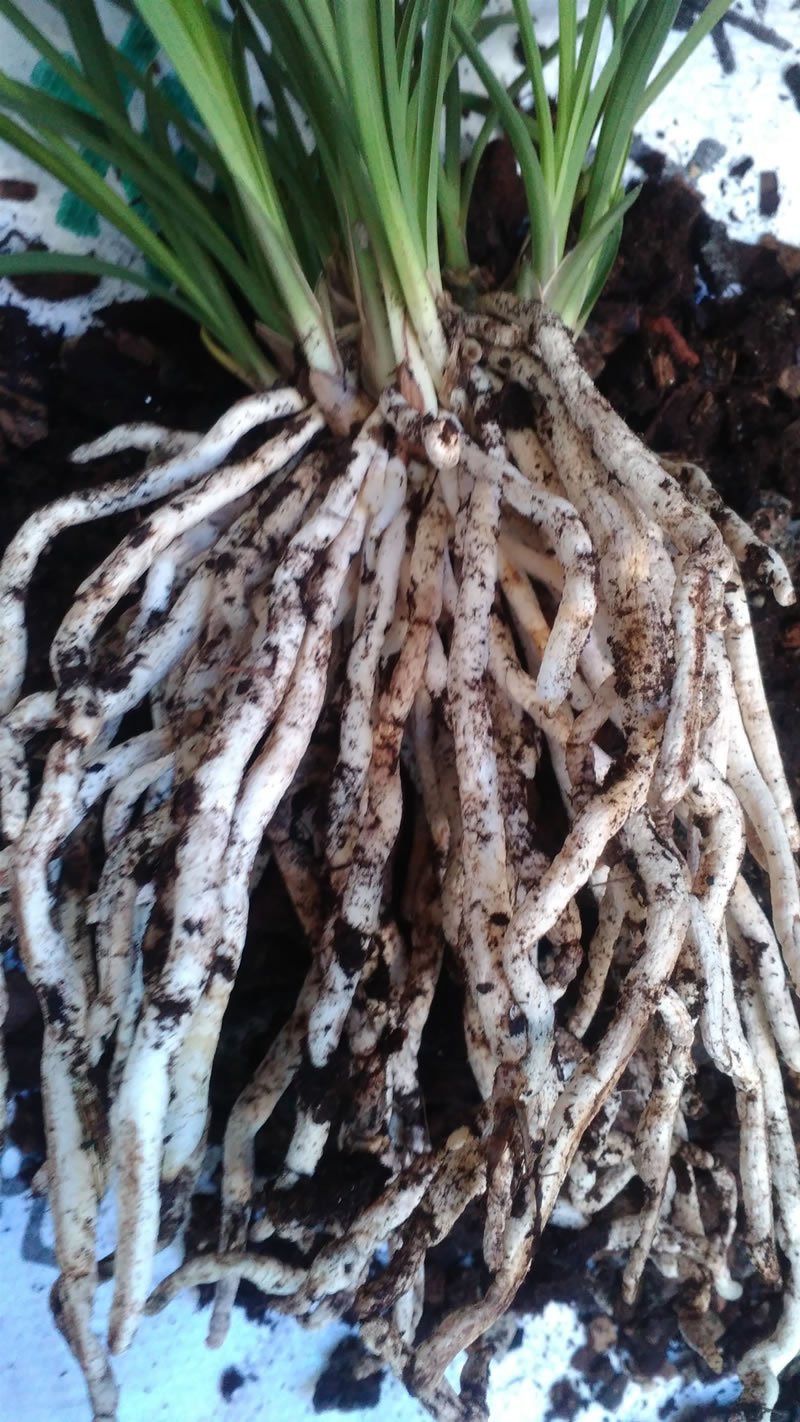
In orchid-growing circles, the growth is a commonly used unit of measurement; one orchid plant with roots counts as one growth. The so-called ten-growth orchid generally refers to a whole clump of connected orchids growing in one pot and reaching a scale of around ten growths. Such large clumps are often regarded by orchid enthusiasts as a sign of well-honed growing skill, and they are also commonly used to describe the specifications of orchid plants in exchanges and trade.
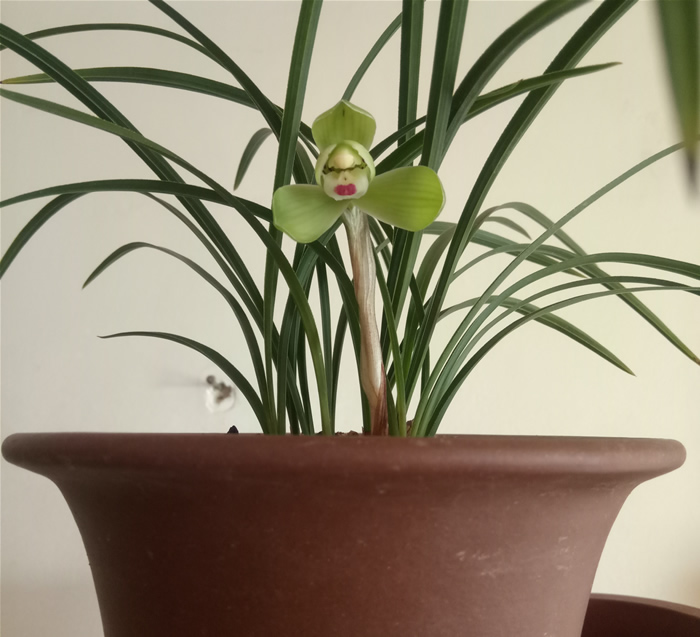
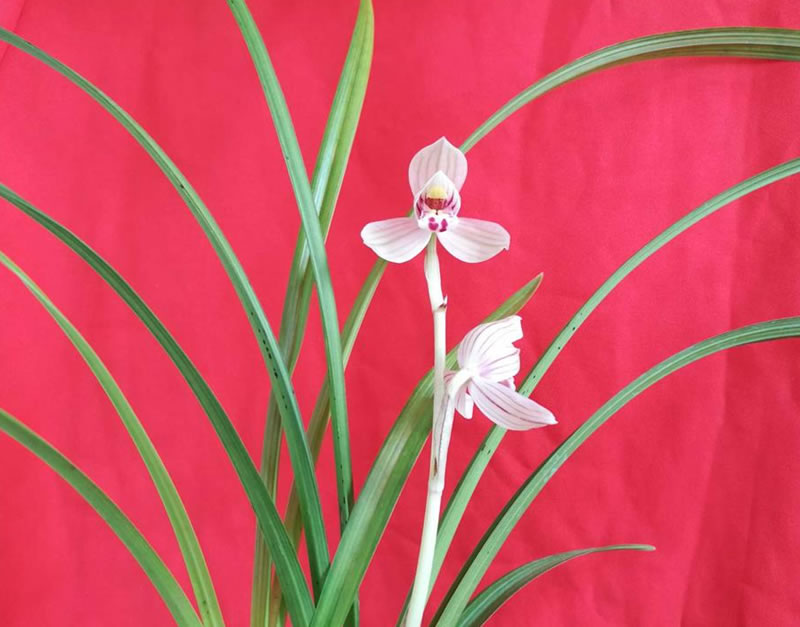
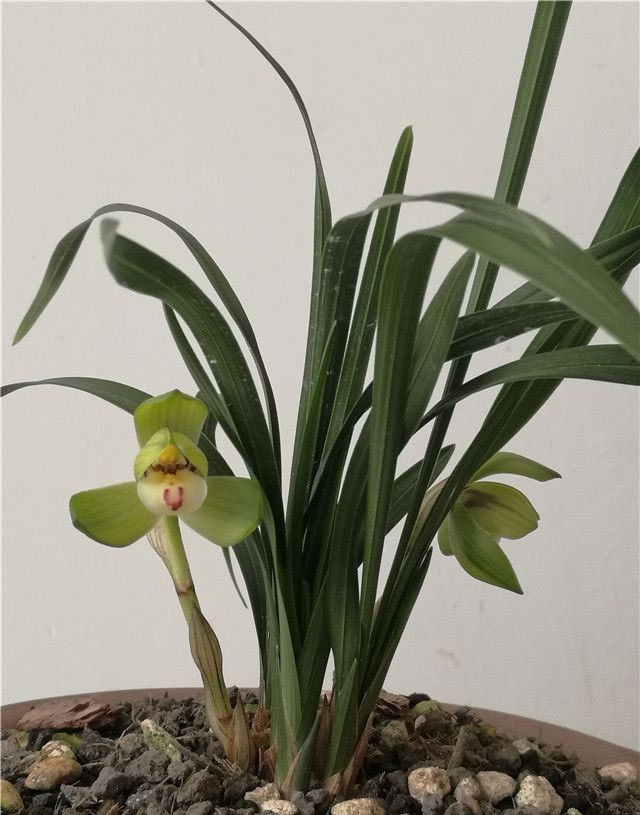
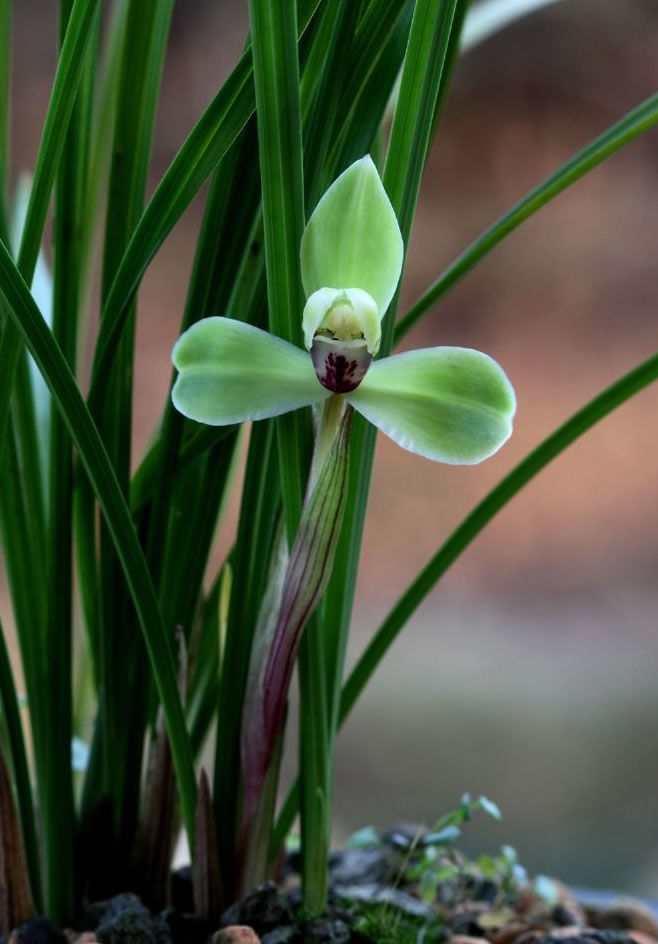
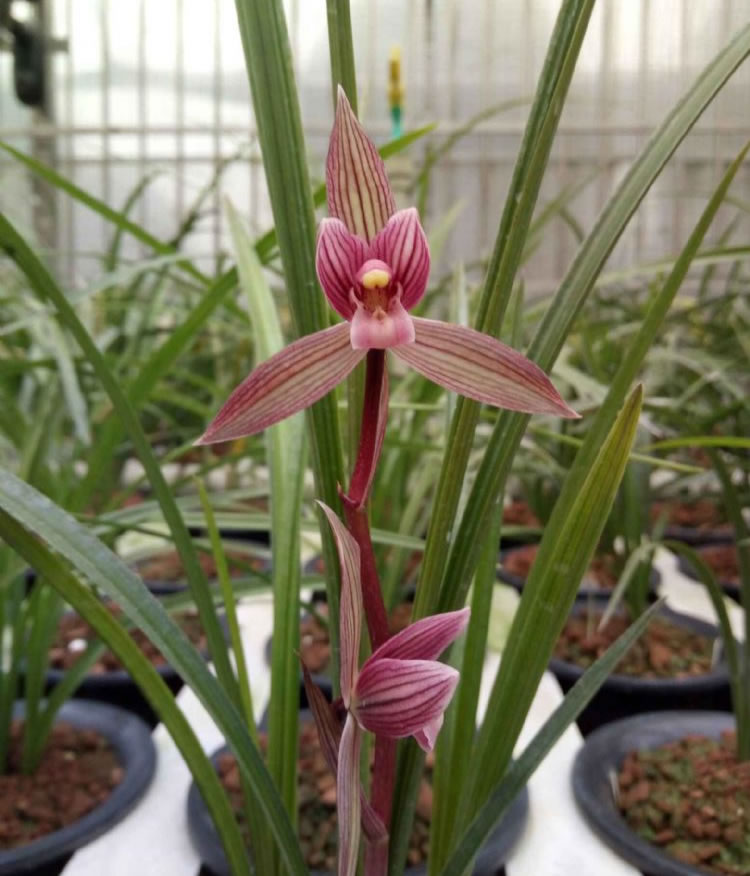
A ten-growth connected orchid stands out for its ornamental value, with lush leaves and many flower spikes; when it blooms, the whole clump opens at once, with a presence far surpassing that of a single small seedling. At the same time, a large clump has strong roots and vigorous growths, with ample nutrient reserves in its tissues, giving it more confidence in sending up new growths and blooming, and making it relatively more tolerant of changes in the external environment.
However, with more growths, both the pot and the potting medium are put to the test. A large ten-growth clump should be given a slightly larger pot, and the potting medium should be loose, breathable and well-draining. Watering requires even more care and judgment than with a small pot, aiming for moist but not waterlogged. During the peak growing season, apply light fertilizer frequently, and pay attention to ventilation and light at ordinary times to avoid stuffy, damp conditions within the clump that can trigger stem rot and similar diseases.
As for whether to divide the plant, you can decide according to your own purpose. If you want to preserve the overall presence, just keep growing it as it is, only repotting regularly and trimming old roots; if it is for propagation and expanding your stock, you can take it out of the pot and divide the growths after flowering or before spring growth begins, keeping an appropriate number of old growths and new growths in each division. After separating them, place them in a cool, ventilated spot to recover, then return them to normal care.