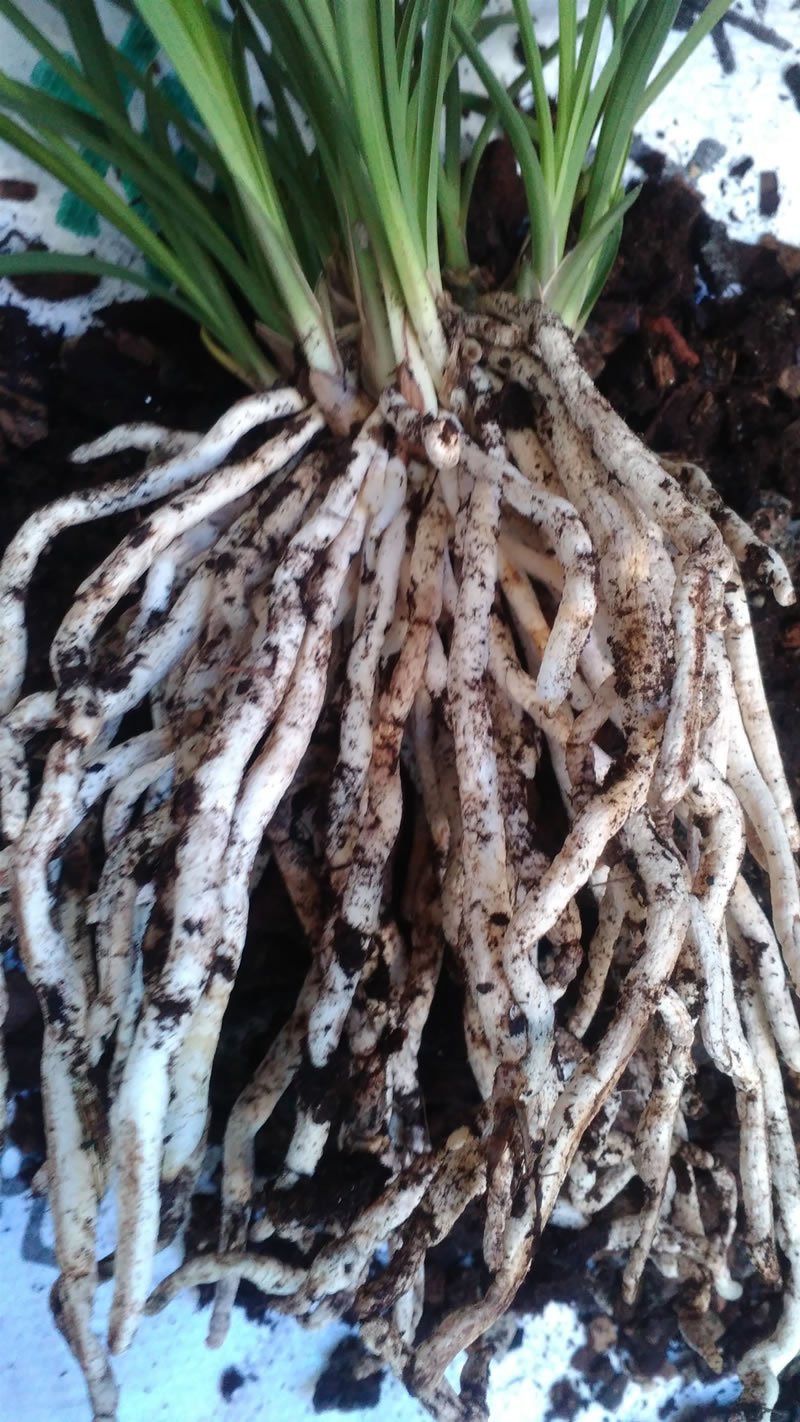
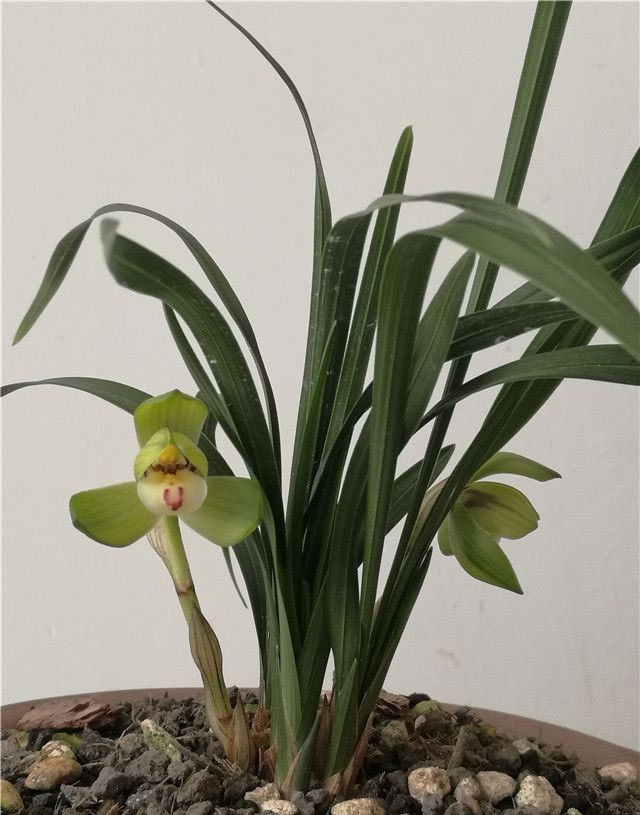
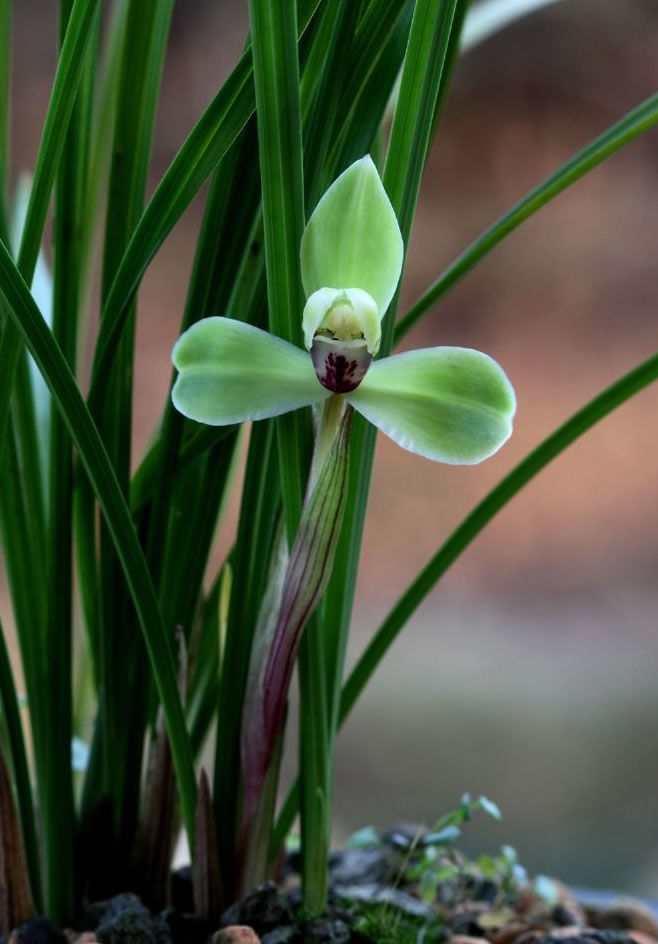
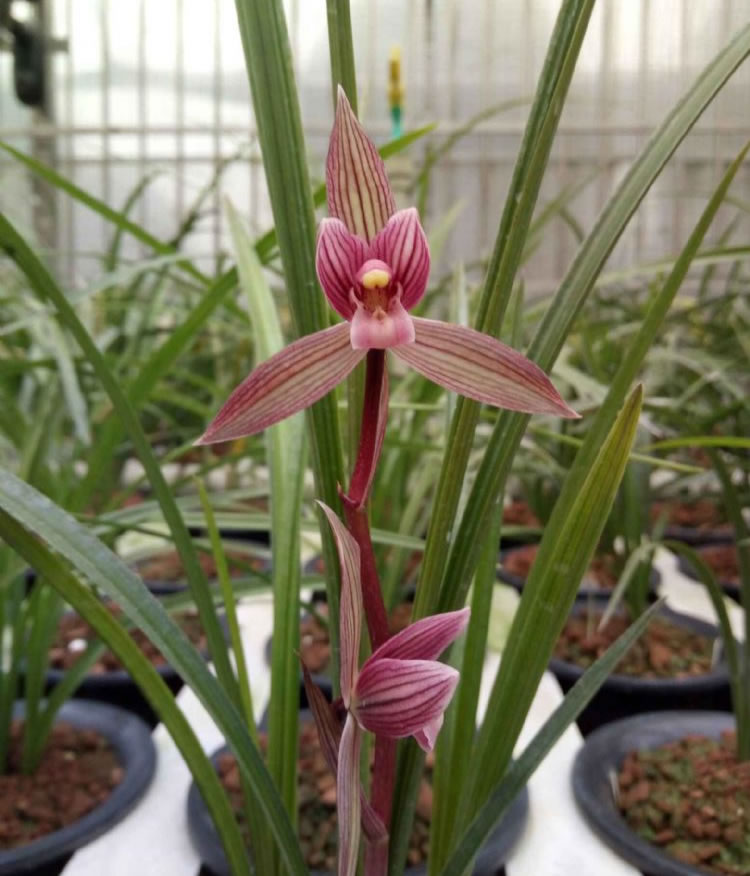
Bulbophyllum is a group of small epiphytic orchids in the orchid family
Bulbophyllum is one of the most species-rich genera in the orchid family, with more than two thousand species worldwide, widely distributed in tropical and subtropical regions. Wild resources also occur in Yunnan, Guangxi, Guangdong, Hainan, Taiwan, China and other places. The plants are mostly epiphytic or lithophytic, with small pseudobulbs clustered together, shaped like bean grains attached to rock surfaces or tree trunks, which is how the name "stone bean orchid" came about.
Plants in this genus mostly have leathery leaves, usually with a single leaf borne at the tip of the pseudobulb. The flowers are extremely diverse in form; in many species the lateral sepals are broad and spreading, while the lip is small and nimble, and flower colors range from yellow-green, brown-red to pink-white. Some species have a special scent when blooming and rely on small insects for pollination in their native habitats, giving them a distinctive wild charm when viewed.
The cultivation method is similar to that of other epiphytic orchids. The potting medium should be loose and airy; bark, sphagnum moss, osmund fiber and the like can be mixed together, or the plants can be tied to decaying wood or rocks to grow in a state close to nature. Daily care emphasizes good ventilation and diffused light, watering only when the medium is dry and letting it dry between waterings, avoiding long-term waterlogging of the pseudobulbs that causes rot. During the growing season, keep the air humidity up and apply light fertilizer frequently, and the plants will gradually cover the surface of the pot year by year.
Because of their small stature, Bulbophyllum species are very suitable for rainforest terrariums, mounted-wood displays and mini orchid collections. Commonly cultivated in China are Bulbophyllum kwangtungense, Bulbophyllum densiflorum, Bulbophyllum odoratissimum and others. A few species also have folk medicinal records; care should be taken to protect wild resources when collecting them, and enthusiasts should try to start with artificially propagated plants.