"Rou jia" (fleshy sheath) is a common term used in orchid appreciation to describe the leaf sheath
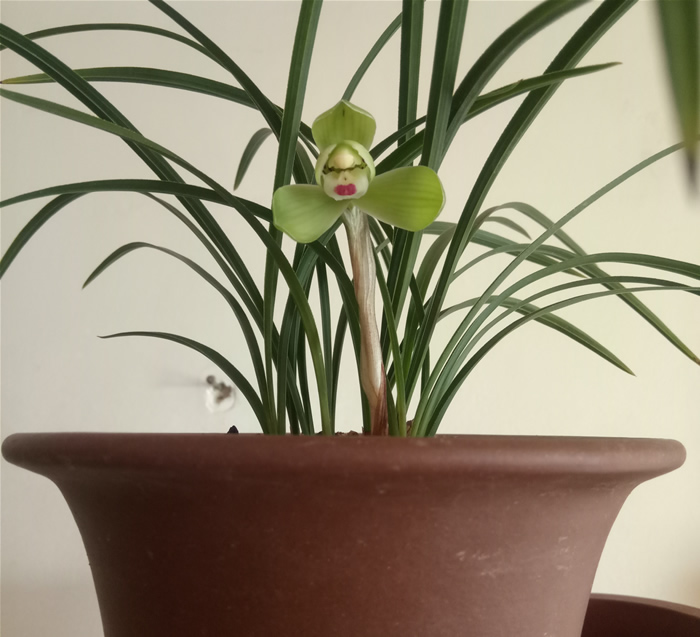
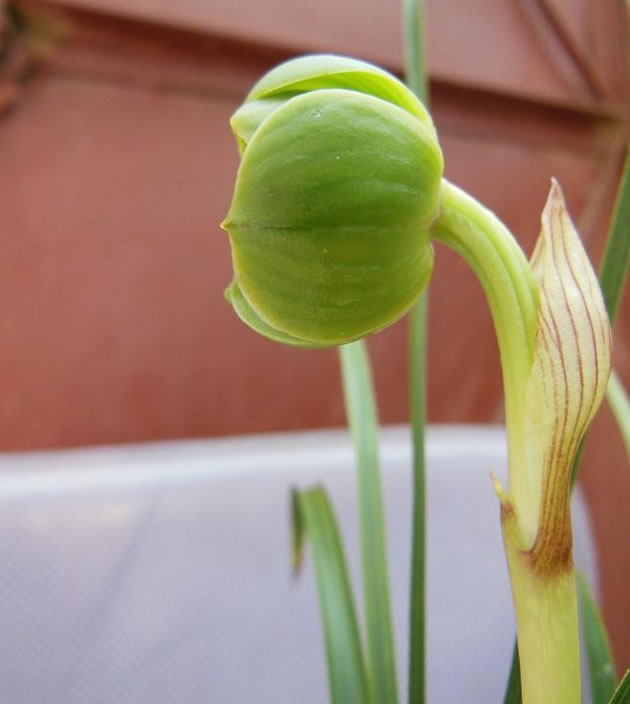
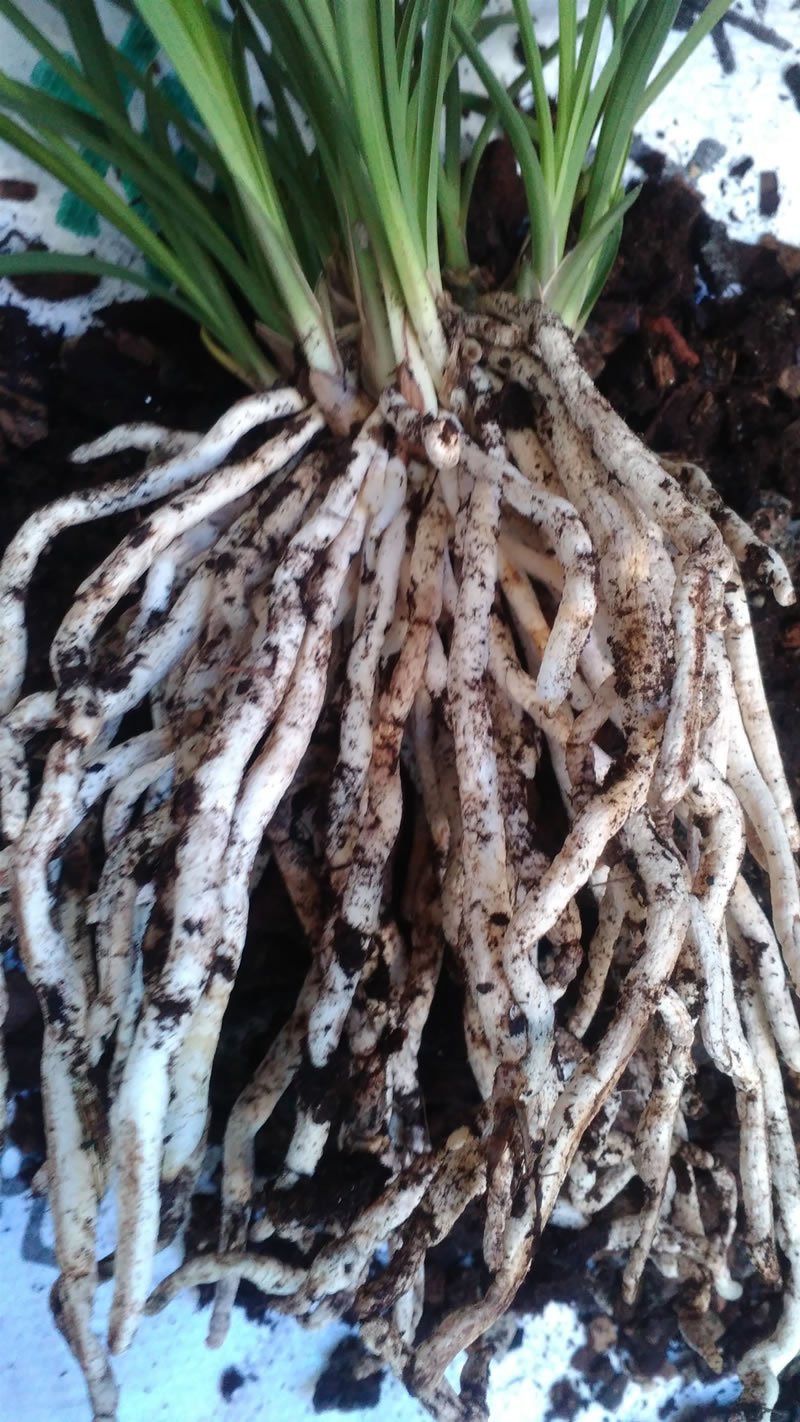
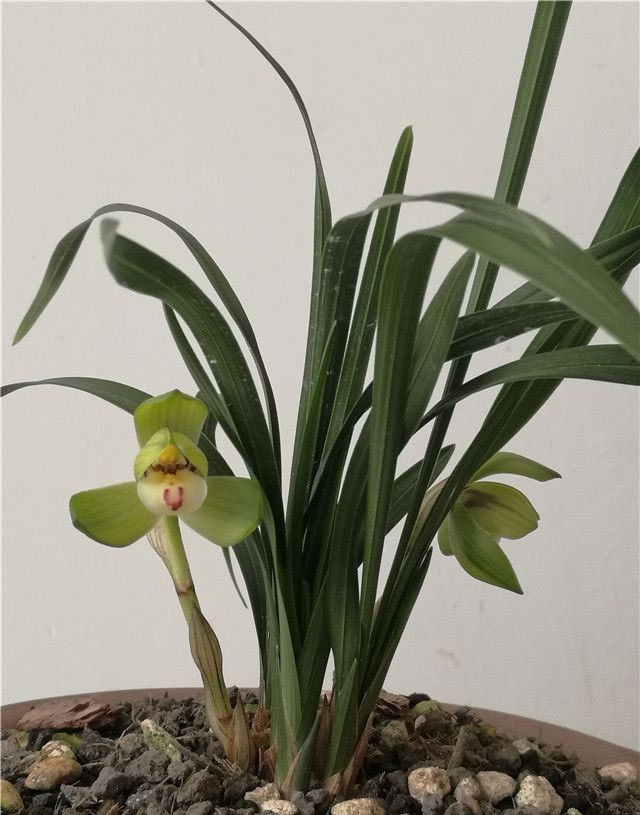
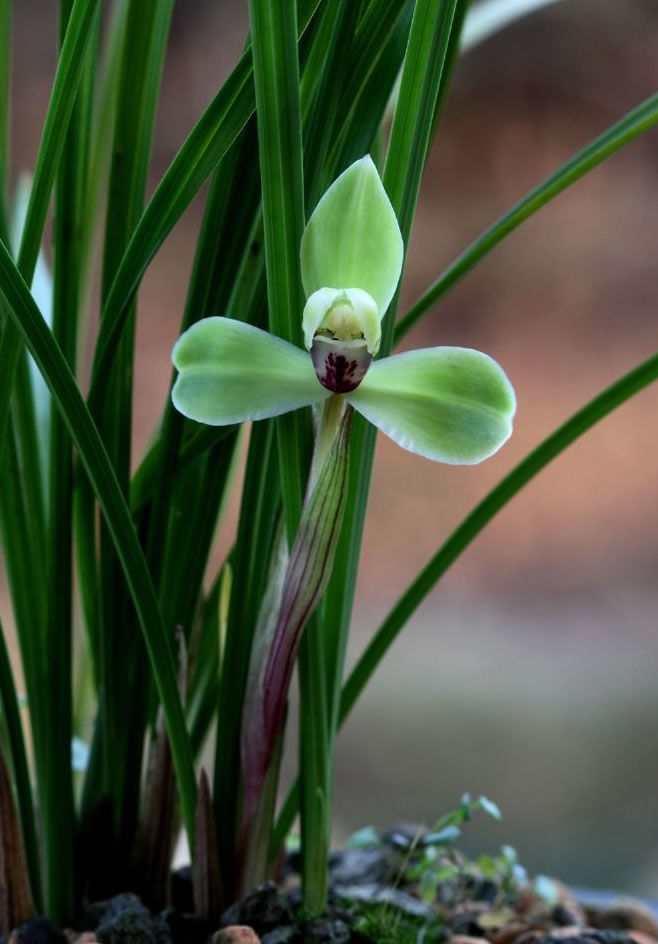
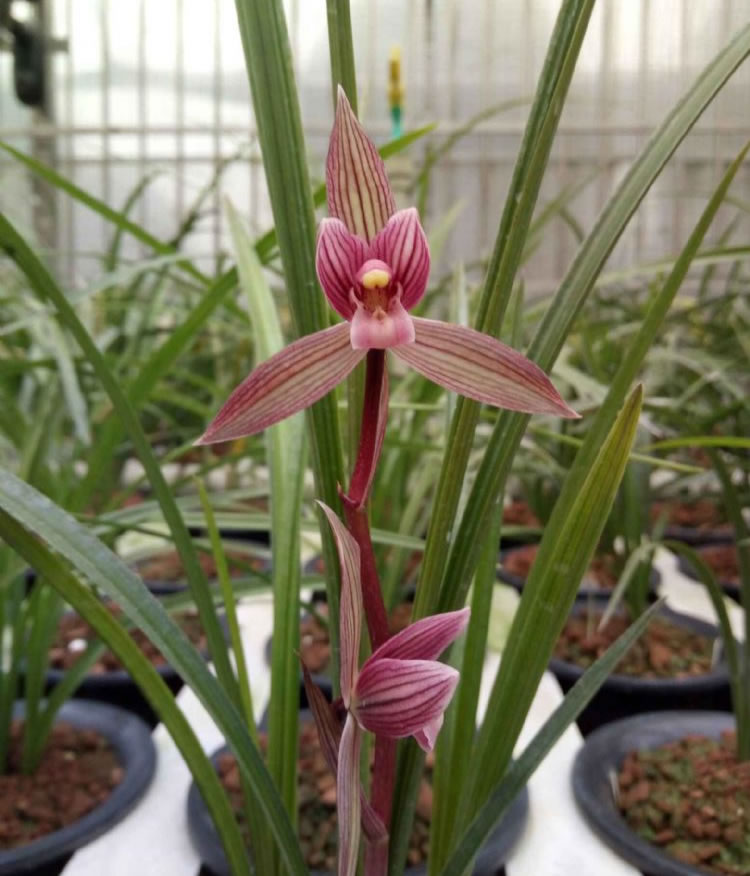
Rou jia (fleshy sheath) is a common term in orchid appreciation, referring to the leaf sheath wrapped around the base of the pseudobulb and leaf buds, commonly known among orchid growers as the "shell", which grows thick, plump and fleshy in texture. The sheath is a modified structure at the base of the leaf, and its texture varies from thick to thin; a fleshy sheath is usually firm, rounded and glossy, with colors that vary by variety, ranging from green, purplish-red, or with colorful hues.
In traditional orchid-growing experience, the form of the sheath is often used as a reference for judging the condition of the seedling and the characteristics of the variety. A thick, fleshy sheath indicates that the pseudobulb has sufficient nutrient reserves, the plant grows vigorously, and its resistance is generally good; some petal-type flowers and dwarf orchid varieties often come with relatively pronounced fleshy sheaths, so when selecting seedlings many people use the thickness and robustness of the sheath as a supplementary basis. However, the sheath is only one reference; the specific variety still needs to be judged comprehensively in combination with leaf posture, flower buds and so on.
In terms of care, the condition of the fleshy sheath is closely related to the potting medium and watering. If the sheath is waterlogged for a long time or the medium is too wet, it easily turns black and rots; watering should follow the principle of drying out between waterings, and the potting medium should be loose, breathable and treated before potting, maintaining a good wet-dry cycle around the roots so that the sheath can stay firm and plump. In addition, it is normal for the sheath of old seedlings to gradually dry up with metabolism, so there is no need to worry excessively.
Regarding common problems, blackening of the sheath on new seedlings is mostly related to overwatering, suffocated roots or fertilizer burn; once discovered, water should be controlled promptly and ventilation increased. If disease spots appear on the sheath surface, watch out for spreading and treat accordingly if necessary. Observing the color and firmness of the sheath in daily care allows earlier detection of changes in the plant's condition, making it a simple and practical observation point in orchid care.